





Understanding the Mechanics: How Does a SIM Card Work in a Mobile Phone?

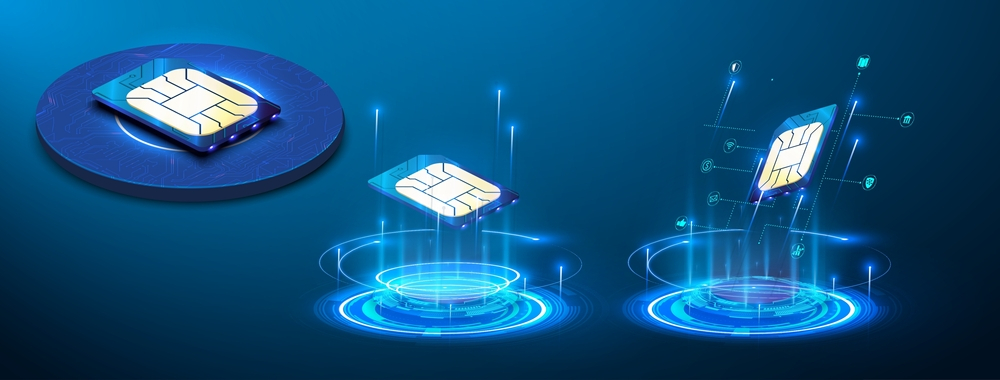
In the ever-evolving landscape of mobile technology, the SIM card stands as a tiny yet essential component, facilitating the seamless connection between users and their mobile networks. While often overlooked, this small piece of technology plays a pivotal role in ensuring that our mobile devices function as intended. But how exactly does a SIM card work within a mobile phone? Let's delve into the intricacies of this fundamental component.
What is a SIM Card?
SIM, short for Subscriber Identity Module, is a small, removable card that securely stores data essential for connecting a mobile device to a cellular network. It holds information such as the subscriber's identity, network authorization data, contact lists, and text messages. Each SIM card contains a unique identifier known as the International Mobile Subscriber Identity (IMSI), which distinguishes it from other SIM cards on the network.
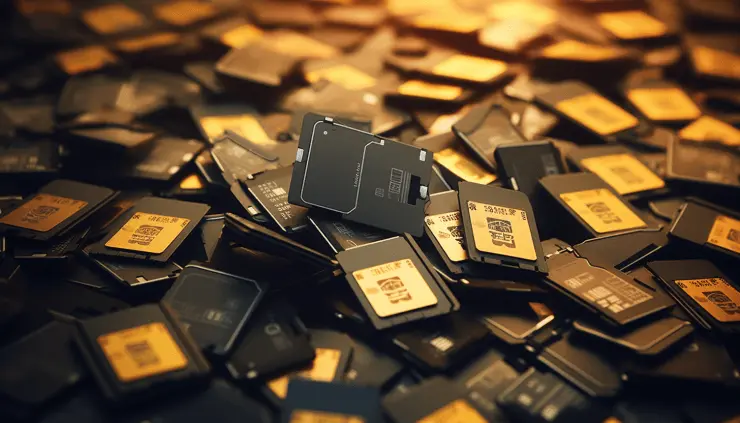
How Does it Work?
Authentication and Identification:
When you insert a SIM card into a mobile device and power it on, the device communicates with the SIM card to authenticate itself on the network. This process involves the exchange of encrypted data between the SIM card and the mobile network to verify the device's identity and authorize its access to the network.
Network Registration:
Once the authentication process is successful, the mobile device registers itself on the network using the information stored on the SIM card. This registration allows the network to identify the device and assign it a temporary network address for communication purposes.
Secure Communication:
The SIM card plays a crucial role in ensuring the security of communication between the mobile device and the network. It stores encryption keys used to secure voice calls, text messages, and data transmissions over the cellular network, protecting them from unauthorized interception or tampering.
Subscriber Services:
Apart from facilitating network connectivity, SIM cards also enable access to various subscriber services offered by mobile network operators. These services may include voicemail, caller ID, call forwarding, mobile internet access, and roaming capabilities. The SIM card contains service-related information and settings that govern the usage and configuration of these services on the device.
Types of SIM Cards:
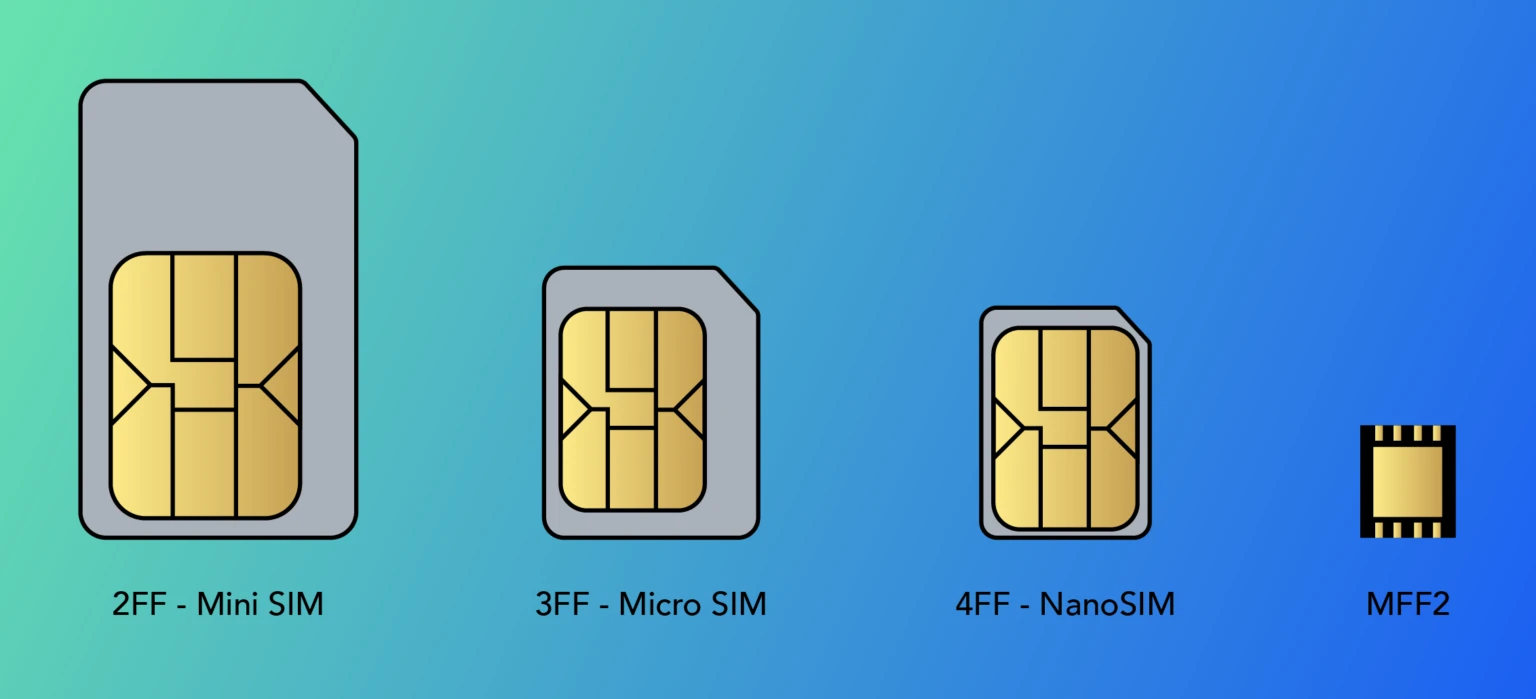
Over the years, SIM card technology has evolved to accommodate different form factors and functionalities to suit the diverse needs of mobile users. The most common types of SIM cards include:
- Full-size SIM (1FF): The earliest form of SIM card, also known as the credit card-sized SIM, has largely been phased out in favor of smaller form factors.
- Mini-SIM (2FF): Introduced as a smaller alternative to the full-size SIM card, the mini-SIM gained widespread adoption and became the standard SIM card size for many years.
- Micro-SIM (3FF): With the demand for smaller devices, the micro-SIM emerged as a further reduction in size compared to the mini-SIM, primarily used in compact smartphones and tablets.
- Nano-SIM (4FF): The nano-SIM represents the latest standard in SIM card technology, offering the smallest form factor yet while retaining the same functionality as its predecessors. It is commonly found in modern smartphones and other portable devices.
Conclusion:
In essence, the SIM card serves as the gateway that enables mobile devices to communicate with cellular networks, authenticate users, and access a myriad of subscriber services securely. Despite its diminutive size, its significance in the realm of mobile communications cannot be overstated. As mobile technology continues to advance, the role of the SIM card remains integral, evolving alongside the ever-changing landscape of telecommunications.
Did you know this about SIM Cards? Which carrier do you think is best in India? I personally love the services given by Airtel. Which is yours?
See you in the next one,
Vader Bhaiya
Please sign in
Login and share