




























The Future of Food Production: Embracing Innovation for a Sustainable Tomorrow

Peace be upon you Questers 😇
I'm Yasir Hamid Ansari, and today, I'll share what technology holds for the Future of Food Production.

As the world's population continues to grow and the effects of climate change become more evident, the need for sustainable and efficient food production methods has never been more pressing. In recent years, emerging technologies such as vertical farming and lab-grown meat have shown immense potential in reshaping our food systems. These innovations promise to revolutionize the way we produce and consume food, offering solutions to the challenges of limited land resources, environmental degradation, and animal welfare concerns.
Vertical Farming:
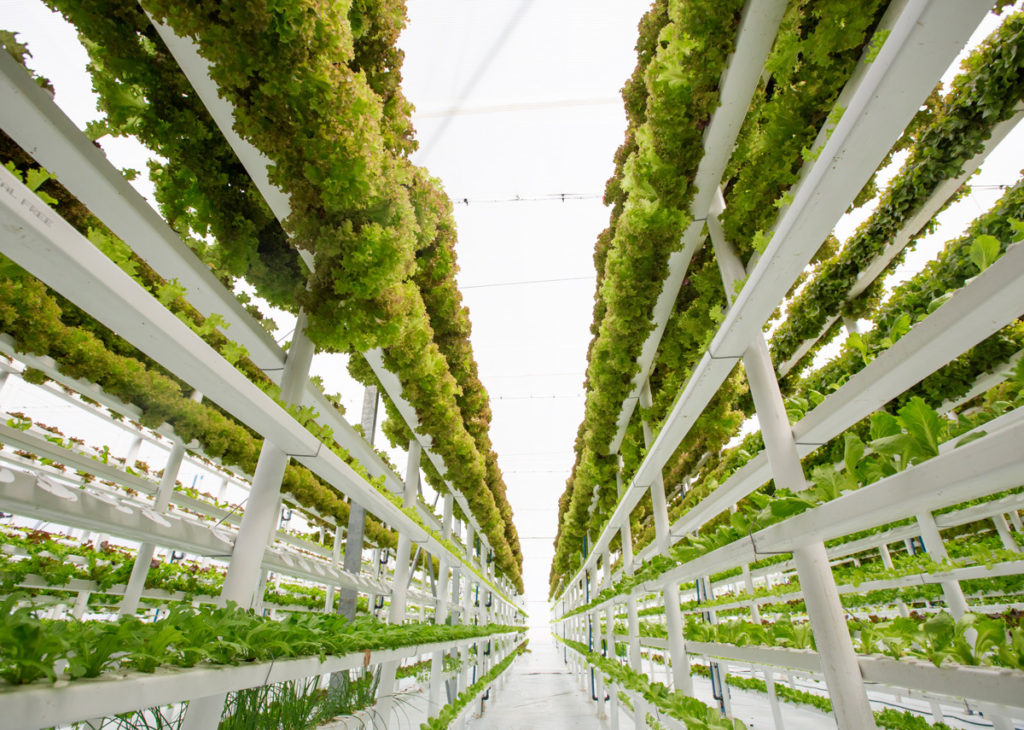
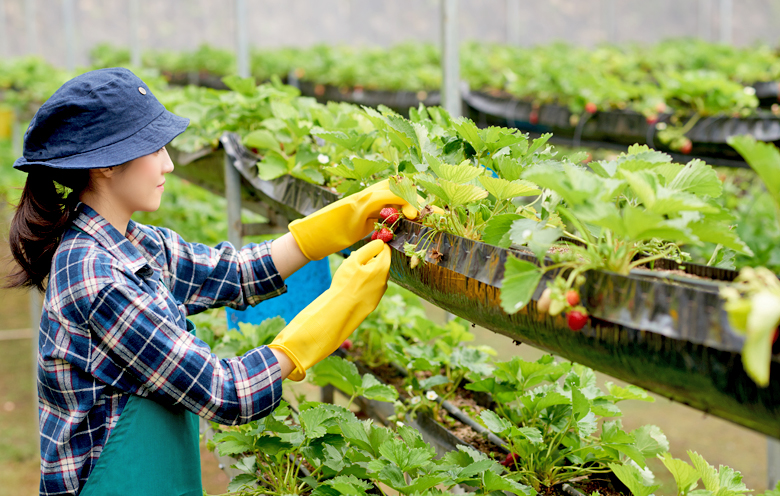
Maximizing Space and Efficiency Vertical farming is a groundbreaking approach to agriculture that involves growing crops in vertically stacked layers within controlled environments. By utilizing indoor spaces and advanced technologies such as LED lighting, hydroponics, and aeroponics, vertical farms can optimize plant growth while minimizing water usage and eliminating the need for pesticides. This method of farming not only maximizes land use efficiency but also enables year-round crop production, regardless of external weather conditions.
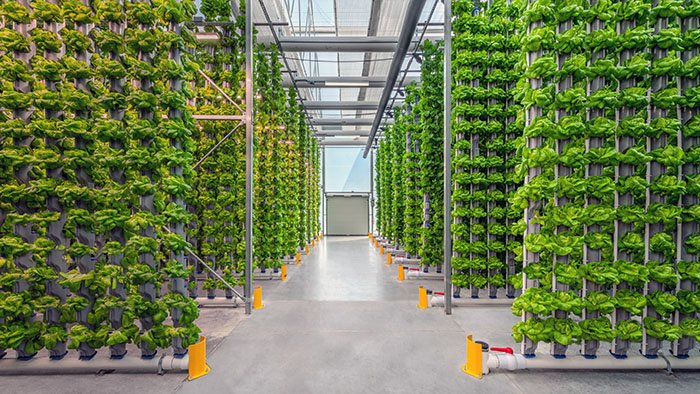
One of the key advantages of vertical farming is its ability to bring food production closer to urban centers, reducing transportation costs and ensuring fresher produce for consumers. Companies like AeroFarms and Plenty are already establishing large-scale vertical farming facilities, showcasing the viability and scalability of this technology. As vertical farming continues to advance, it has the potential to significantly enhance food security and reduce the environmental footprint of agriculture.
Lab-Grown Meat: A Cruelty-Free and Sustainable Alternative
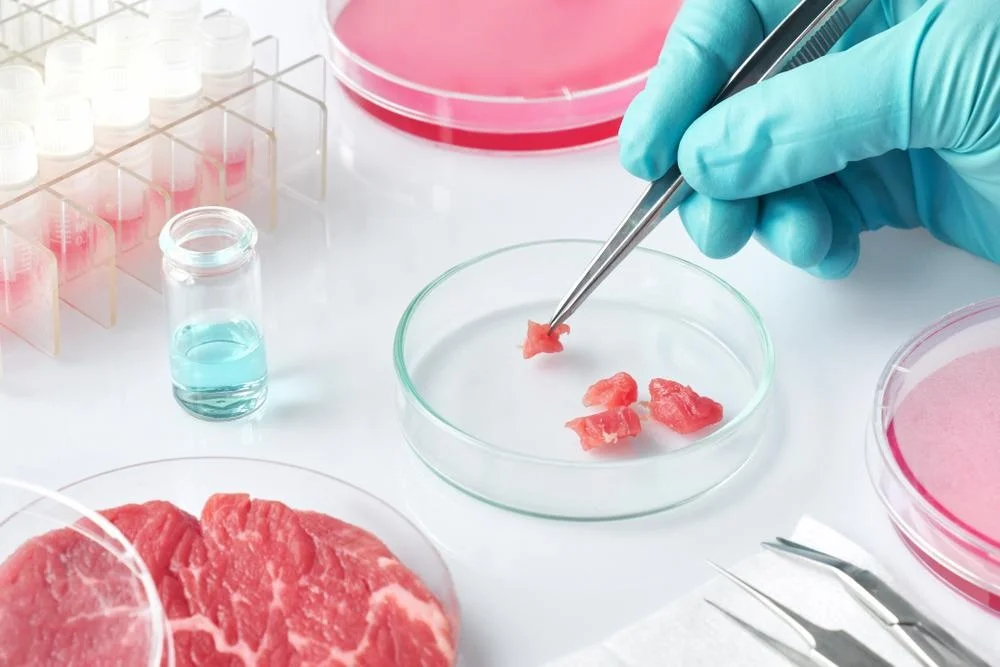
Another game-changing technology in the food industry is lab-grown meat, also known as cultured or cell-based meat. This innovative approach involves growing meat from animal cells in a laboratory setting, eliminating the need for traditional livestock farming. By cultivating meat in a controlled environment, lab-grown meat offers a cruelty-free alternative that significantly reduces the environmental impact associated with conventional meat production.
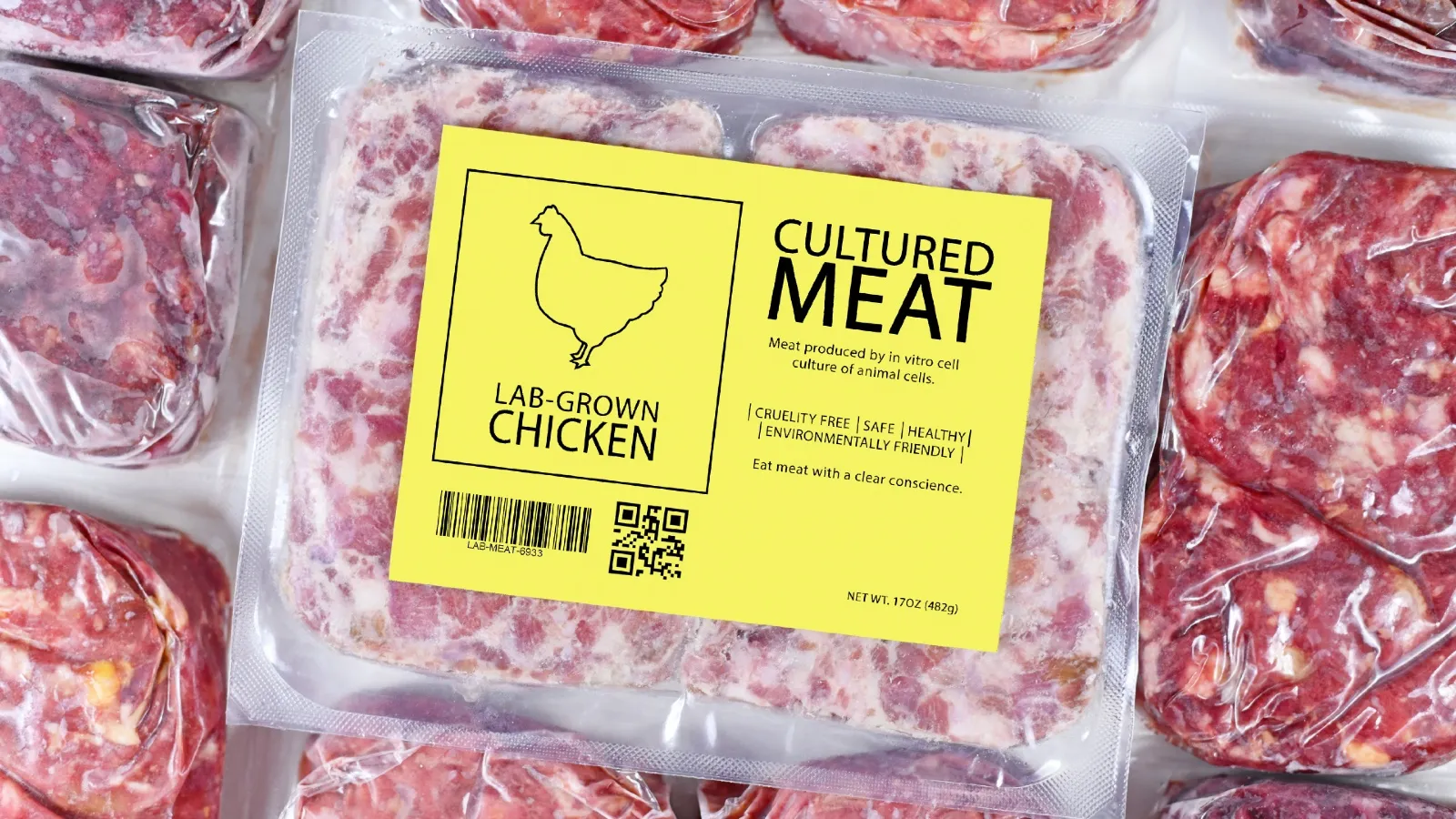
The production of lab-grown meat requires far less land, water, and energy compared to traditional animal agriculture. It also has the potential to greatly reduce greenhouse gas emissions and mitigate the ethical concerns surrounding animal welfare. Companies like Memphis Meats and Mosa Meat are at the forefront of this technology, working towards making lab-grown meat commercially viable and accessible to consumers.
Challenges and Opportunities:
While vertical farming and lab-grown meat hold immense promise, there are still challenges to overcome. The initial costs of setting up vertical farming facilities and the research and development required for lab-grown meat can be substantial. Additionally, consumer acceptance and regulatory frameworks need to be navigated to ensure the successful integration of these technologies into our food systems.
However, the potential benefits of these innovations far outweigh the challenges. By embracing vertical farming and lab-grown meat, we can address the pressing issues of food security, environmental sustainability, and animal welfare. As these technologies continue to advance and become more cost-effective, they have the power to transform our food production methods and create a more resilient and sustainable food future.
Conclusion:
The future of food production lies in the hands of innovative technologies like vertical farming and lab-grown meat. By harnessing the power of these advancements, we can revolutionize the way we produce and consume food, ensuring a more sustainable and equitable food system for generations to come. As we navigate the challenges and opportunities presented by these technologies, it is crucial that we embrace change and work towards a future where food production aligns with the needs of both people and the planet. The path ahead may be complex, but the potential for positive transformation is immense, and the time to act is now.
P.S. The Above Images Used are taken from Google.
Follow @YasirTheJOD for more.
See You Again!
Happy Questing!
Please sign in
Login and share