

























Inventions that Changed the World: The Camera #Part5 📷

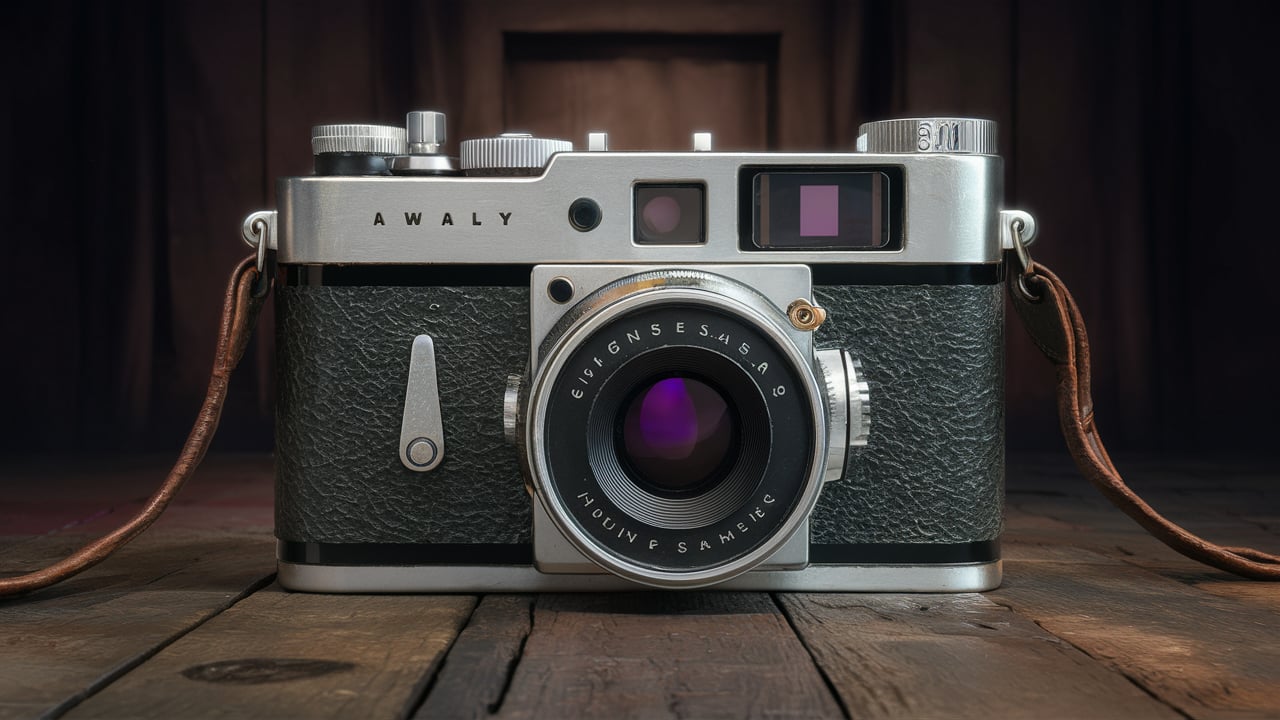
The camera is an invention that has revolutionized the way we capture and perceive the world. From the earliest pinhole cameras to today's sophisticated digital devices, cameras have evolved dramatically, influencing art, communication, science, and technology. This article delves into the history, evolution, and impact of the camera, highlighting its significance as one of the most transformative inventions in human history.
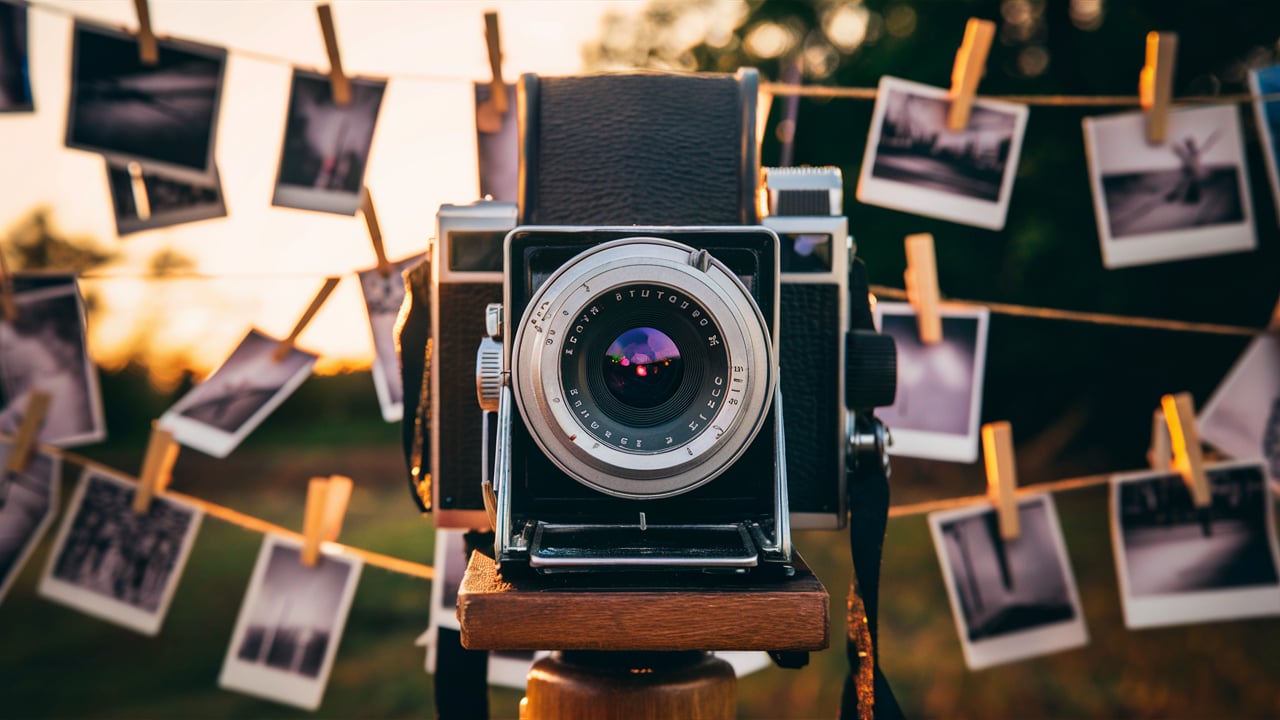
Historical Development
The Early Beginnings
- Camera Obscura: The concept of the camera dates back to ancient times with the camera obscura, a darkened room with a small hole or lens that projected an image of the outside scene onto a surface. Aristotle and Mozi, a Chinese philosopher, described this phenomenon in the 5th and 4th centuries BCE.
- Renaissance Advancements: During the Renaissance, artists like Leonardo da Vinci used the camera obscura to aid in drawing and painting, laying the groundwork for future photographic techniques.
The Birth of Photography
- Daguerreotype (1839): Louis Daguerre's invention of the daguerreotype in 1839 marked the birth of practical photography. This method involved exposing a silver-coated copper plate to iodine vapor, creating a light-sensitive surface that produced a direct positive image.
- Calotype (1841): William Henry Fox Talbot introduced the calotype process, which created a negative image on paper that could be used to produce multiple positive prints. This innovation was a significant step towards modern photographic reproduction.
The Rise of Film Photography
- Dry Plate (1871): Richard Leach Maddox's invention of the dry plate process replaced the cumbersome wet plate method, making photography more accessible and practical.
- Kodak Camera (1888): George Eastman revolutionized photography with the introduction of the Kodak camera, a portable device that used roll film and brought photography to the masses with the slogan, "You press the button, we do the rest."
- 35mm Film (1925): Oskar Barnack developed the Leica, the first 35mm film camera, which became the standard for professional and amateur photographers alike.
The Digital Revolution
- Digital Sensors (1969): The invention of the charge-coupled device (CCD) by Willard Boyle and George E. Smith paved the way for digital imaging. This technology replaced film with electronic sensors that captured images as digital data.
- First Digital Camera (1975): Steven Sasson, an engineer at Eastman Kodak, developed the first digital camera. This bulky prototype used a CCD sensor and recorded black-and-white images to a cassette tape.
- Consumer Digital Cameras (1990s): The 1990s saw the introduction of consumer digital cameras, with companies like Sony, Canon, and Nikon leading the charge. These cameras offered instant image review and the ability to store thousands of photos on memory cards.
Impact on Society
Art and Culture
- Photography as Art: The camera democratized art, allowing anyone to capture moments and express creativity through photography. It opened new avenues for artistic expression and documentation.
- Influence on Media: Photography transformed journalism and media, providing a powerful tool for storytelling. Iconic images have shaped public opinion, documented historical events, and brought distant realities closer to home.
Communication and Social Media
- Instant Sharing: Digital cameras and smartphones have made it possible to instantly capture and share images. Social media platforms like Instagram and Snapchat rely heavily on photographs for communication and connection.
- Citizen Journalism: The ubiquity of cameras has empowered ordinary people to document and share news events, contributing to the rise of citizen journalism.
Scientific and Technological Advancements
- Medical Imaging: Cameras are integral to medical imaging technologies like X-rays, MRIs, and endoscopes, enhancing diagnostics and treatment.
- Space Exploration: Cameras aboard spacecraft have provided stunning images of distant planets and galaxies, advancing our understanding of the universe.
- Surveillance and Security: Cameras play a crucial role in security and surveillance, helping to monitor and protect public spaces.
Future Trends
- Artificial Intelligence: AI-powered cameras can recognize faces, objects, and scenes, leading to innovations in security, retail, and personal photography.
- Augmented Reality: Cameras are essential for augmented reality (AR) applications, blending digital information with the physical world.
- High-Resolution Imaging: Advances in sensor technology continue to push the boundaries of image resolution, enabling ultra-high-definition photography and videography.
Conclusion
The camera is a testament to human ingenuity and its capacity to transform the way we interact with the world. From its humble beginnings as a tool for artists to its current status as a ubiquitous digital device, the camera has profoundly impacted art, communication, science, and society. As technology continues to evolve, the camera will undoubtedly play an even more significant role in shaping our future.
#InventionsThatChangedTheWorld#Part5#Camera📷
Follow For More Tech Threads @NITIN
Nitin Panwar
Moderator
Please sign in
Login and share