



























Credit card cyber fraud prevention: essential safety tips for protecting finance

Hey Questers ❤️
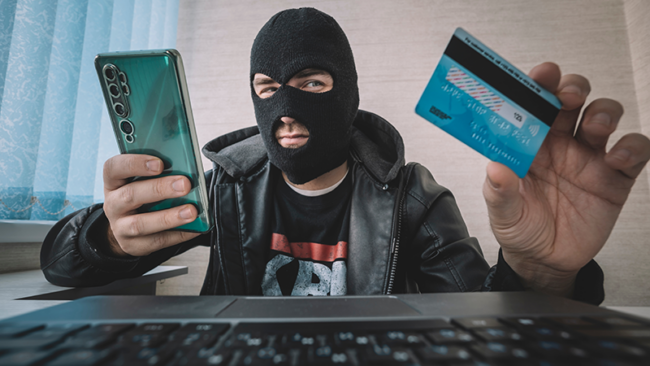
Credit card cyber fraud involves unauthorised access to your credit card information ,often resulting in illicit transaction.
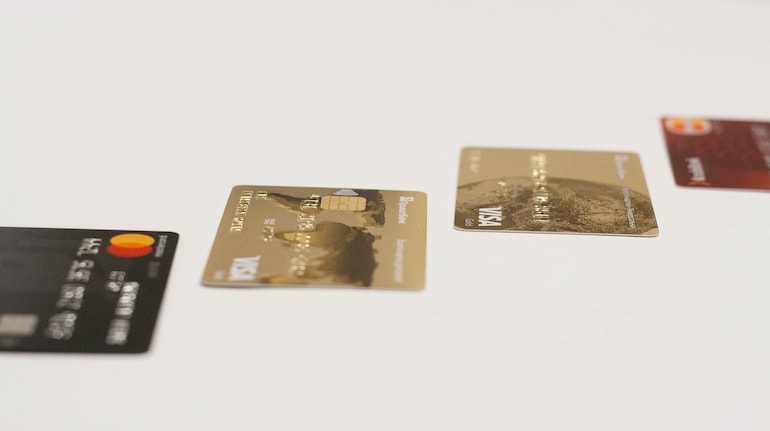
In today's interconnected world, credit card cyber fraud is a pervasive threat. Cybercriminals continually develop new methods to steal sensitive financial information, making it essential for consumers to stay informed and vigilant. We tell you some essential safety tips to help protect your hard earned money from credit card cyber fraud.
What is credit card cyber fraud?
Credit card cyber fraud involves unauthorised access to your credit card information, often resulting in illicit transactions. This type of fraud can stem from various sources, including data breaches, phishing scams, malware, and more.
Signs of credit card cyber fraud
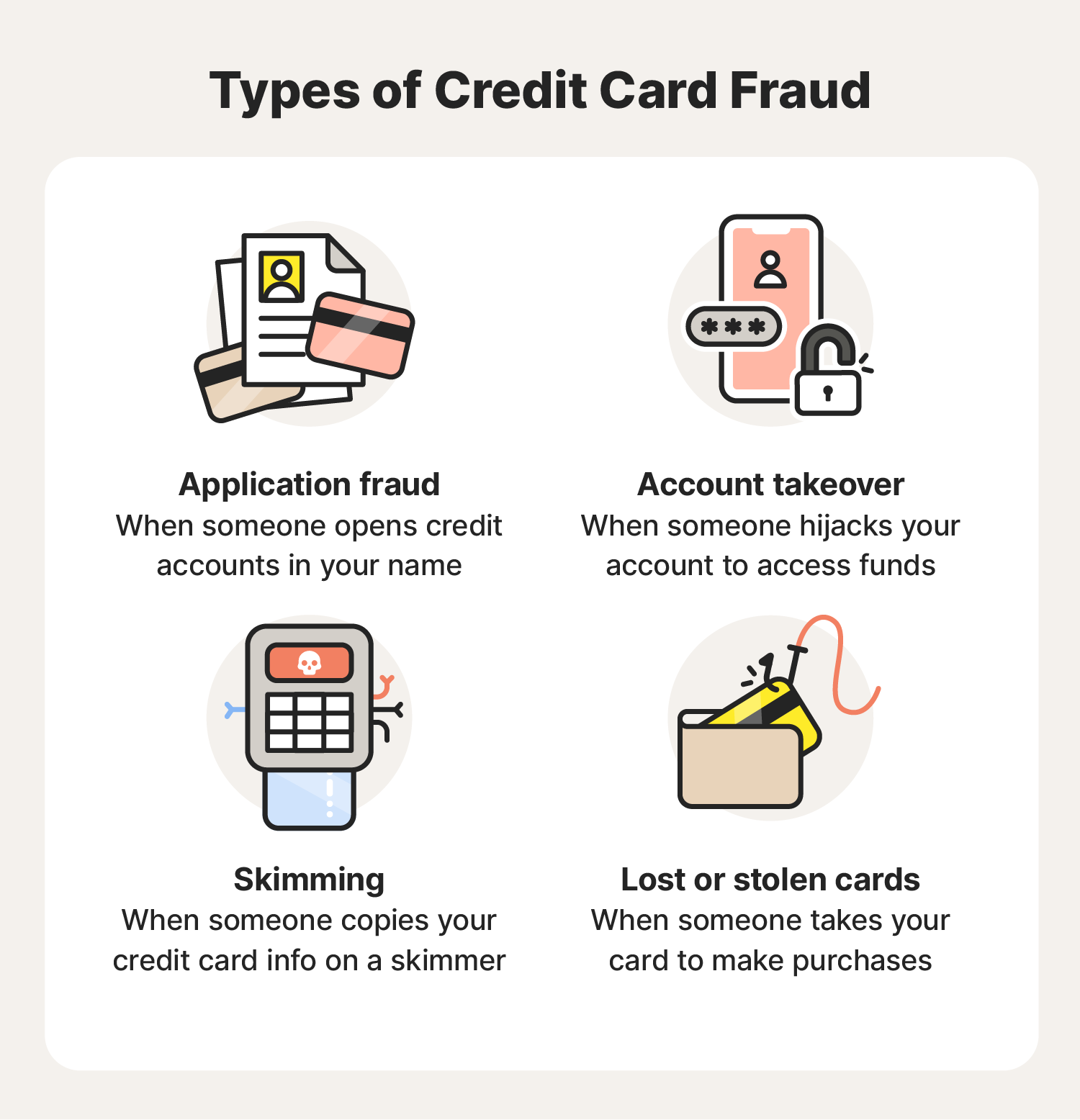
Detecting credit card cyber fraud early can significantly reduce the impact on your finances. Here are common signs to watch for:
Unexpected charges:
Unauthorised transactions appearing on your credit card statement.
Declined transactions:
Your card is declined despite sufficient credit.
Changes in account information: Unauthorised changes to your account details, such as address or contact information.
Unrecognised accounts:
New accounts opened in your name without your knowledge.
Credit report anomalies:
Unexpected changes or inquiries on your credit report.
Missing bills or statements:
Not receiving your usual bills or statements, which could indicate address tampering.
Prevent credit card cyber fraud with these safety tips
Use strong and unique passwords
Create strong, unique passwords for your online banking and shopping accounts. Avoid using easily guessable information such as birthdays or common words. Incorporate a mix of letters, numbers, and special characters.
Enable two-factor authentication (2FA)
Two-factor authentication adds an extra layer of security. Even if your password is compromised, 2FA requires a second form of verification, such as a text message or email code, to access your account.
Monitor your accounts regularly
Frequently check your credit card statements and online banking accounts for any unauthorised transactions. Early detection of suspicious activity can prevent significant financial loss.
Be cautious with public Wi-Fi
Avoid accessing your financial accounts over public Wi-Fi networks, which can be insecure. Use a virtual private network (VPN) if you must conduct sensitive transactions on a public network.
Secure your devices
Ensure your devices have up-to-date antivirus and anti-malware software. Regularly update your operating system and apps to protect against vulnerabilities.
Be wary of phishing attempts
Be sceptical of unsolicited emails, texts, or phone calls asking for your credit card information. Verify the sender's authenticity before clicking on links or providing personal details.
Use virtual credit cards for online shopping
Some banks offer virtual credit cards for online transactions. These temporary card numbers can be used in place of your actual credit card, reducing the risk of fraud.
Set up alerts
Set up transaction alerts with your bank or credit card issuer. Receive instant notifications via text or email for every transaction, enabling you to quickly identify and report unauthorised activity.
Review security policies of online retailers
Before making online purchases, ensure the retailer's website is secure. Look for "https://" in the URL and a padlock icon in the address bar. Read the site's privacy policy to understand how your information is protected.
Keep your personal information private
Be mindful of what you share on social media and other public forums. Cybercriminals can use personal details to answer security questions and gain access to your accounts.
Follow for such more informative threads ➡️ @RZ Nitin

Thank you 🙌
Your qool Quester: Nitin Mishra 😍
@iQOO Connectcommunity 🫂 ❤️
@NITIN,@Aojesh,@Andybitts,@JStreetS,@RockyFTW,@Sourav,@TechieGuy,@TechSAM009,@ayuu,@Ayushpandey20,@ayushsharma05,@Anant Rawat,@Rishabh Rawat,@Account cancellation,@Sameer Shaikh,@MKJEDI,@Rushi_r.p,@Rohan6383,@Tanxx.fit,@Jabir007,@ProfessorNobody,@sougat,@NaveenYerradla,@Shashank Singh,@Dattatray37,@NR_Gaming,@Mangesh Nandre,@Rahil Anwar,@KrishnaQ,@Rehaan-Iqbal
Please sign in
Login and share