



























Elon Musk Announces Deployment of Humanoid Robots in Tesla Factories by 2025

Hi Questers
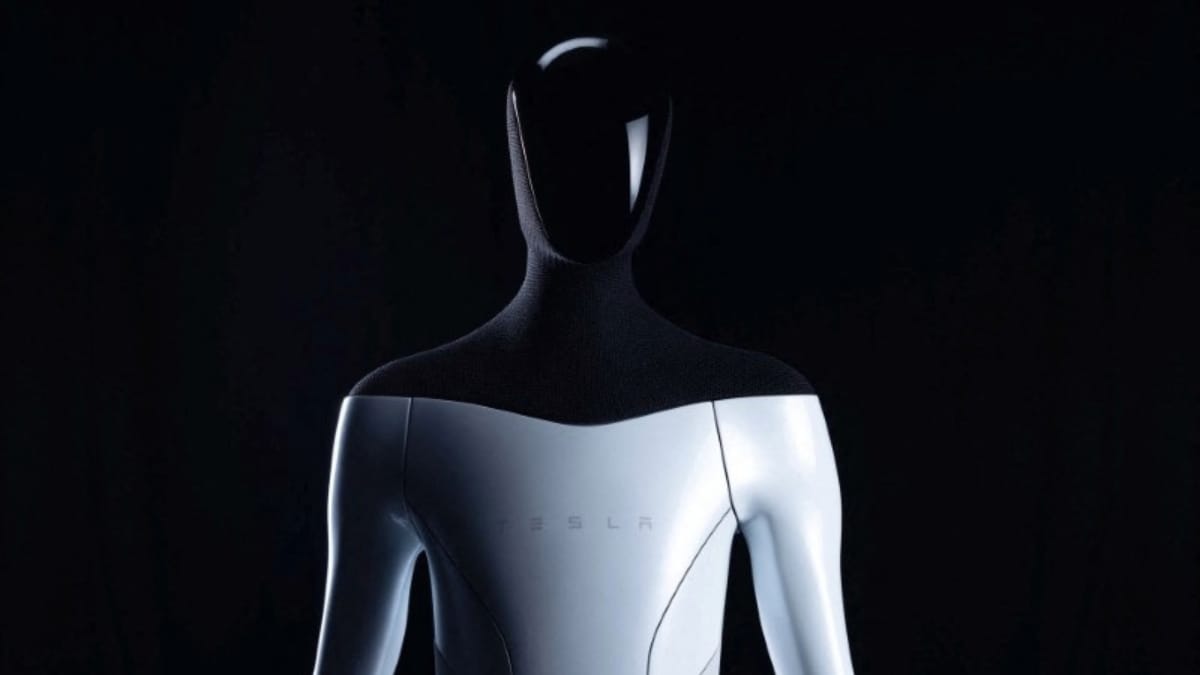
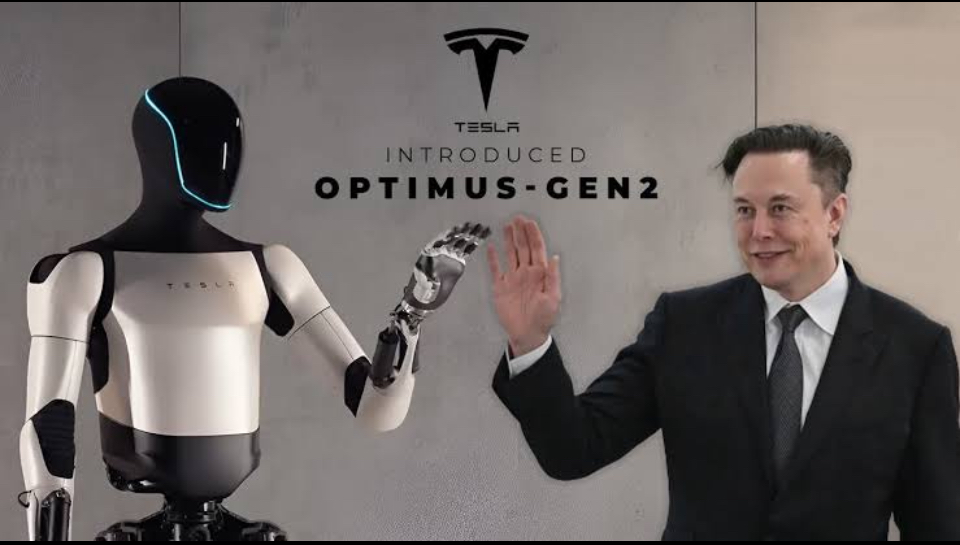
Elon Musk, the CEO of Tesla, has announced that the company will start deploying humanoid robots, known as Optimus, for internal use in its factories by next year. This announcement follows his April statement where he predicted that these robots would be capable of performing tasks in the factory by the end of 2024 and could be available for sale by late 2025.
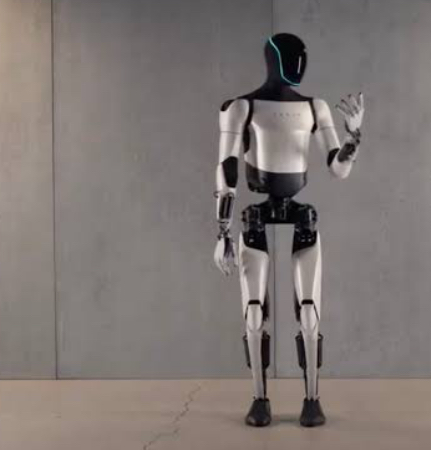
Optimus: Tesla's Humanoid Robot
The first generation of the Optimus robot, also known as Bumblebee, was unveiled in September 2022. Tesla recently shared a video showcasing the second generation of this bipedal robot, which demonstrated its capability to fold a T-shirt at the company's facility. Musk has shared plans for "low production" of these robots for Tesla's internal operations next year, with hopes of scaling up to "high production" for other companies by 2026.
Industry-Wide Adoption
Tesla is not alone in exploring the potential of humanoid robots. Automakers like BMW have shown interest in deploying similar technologies in their factories. Japanese company Honda and Hyundai Motor’s Boston Dynamics have also been developing humanoid robots, aiming to address labor shortages and automate repetitive or dangerous tasks in logistics, warehousing, and manufacturing.
Musk's Bold Promises
Elon Musk is known for his ambitious targets, although he has a track record of not always meeting them. In 2019, he promised a network of "robotaxi" autonomous cars by 2020, a goal that remains unfulfilled. Just last week, he mentioned a significant design change to the robotaxi, indicating further delays.
Tesla's Shifting Focus
Recently, Musk has shifted his focus towards artificial intelligence, autonomous driving software, robotaxis, and the Optimus robot. This pivot comes amid a tapering demand for Tesla's electric vehicles, which still constitute over 80 percent of the company's quarterly revenue.
Future Prospects
The deployment of humanoid robots in Tesla factories marks a significant step in the company's journey towards integrating advanced robotics and AI into manufacturing. If successful, these developments could revolutionize factory operations and potentially address global labor shortages, setting a new standard for automation in various industries.
As Tesla continues to innovate, the world watches to see if Musk’s latest vision will come to fruition and how it might reshape the future of manufacturing and robotics.
Thanks!
Pramod Singhal
Quester @iQOO Connect
Please sign in
Login and share