



























Lithium-Ion Batteries vs. Hydrogen Fuel Cells

Hey Questers!
Electric vehicles (EVs) are gaining popularity as a sustainable alternative to traditional gasoline-powered cars. Two primary technologies power these vehicles: lithium-ion batteries and hydrogen fuel cells. While both offer zero-emission transportation, they operate on fundamentally different principles, each with its unique advantages and disadvantages.
Lithium-Ion Batteries: The Powerhouse of EVs
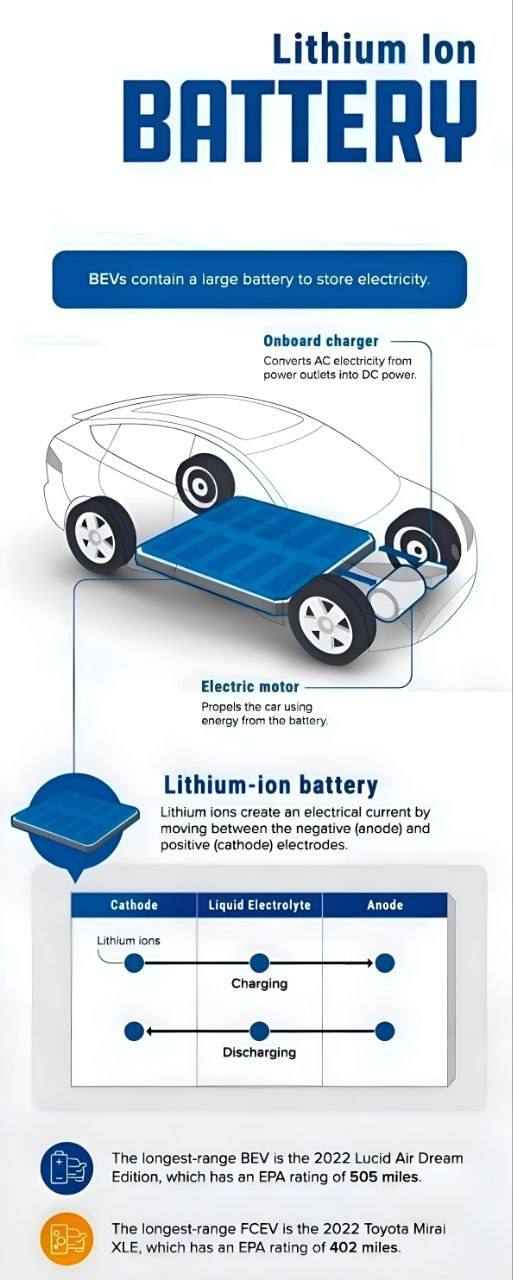
Lithium-ion batteries are the most common type of battery used in EVs today. They store electrical energy in a chemical reaction between a cathode and anode. When the battery is discharged, lithium ions move from the anode to the cathode, creating an electrical current. This current powers the vehicle's electric motor.
Advantages of Lithium-Ion Batteries
- High energy density: Lithium-ion batteries can store a significant amount of energy in a relatively small space, enabling EVs to travel longer distances on a single charge.
- Fast charging: These batteries can be quickly recharged, making them convenient for daily use.
- Mature technology: Lithium-ion batteries have been around for decades, and their technology is well-established.
- Extensive infrastructure: There is a growing network of charging stations for EVs, making it easier for owners to recharge their vehicles.
Disadvantages of Lithium-Ion Batteries
- Limited range: While the range of EVs has been improving, it is still typically limited compared to traditional gasoline-powered cars.
- Potential for battery fires: There have been instances of lithium-ion batteries catching fire, raising safety concerns.
- Raw material sourcing: The production of lithium-ion batteries requires rare earth metals, which can have environmental and ethical implications.
Hydrogen Fuel Cells: A Cleaner Alternative
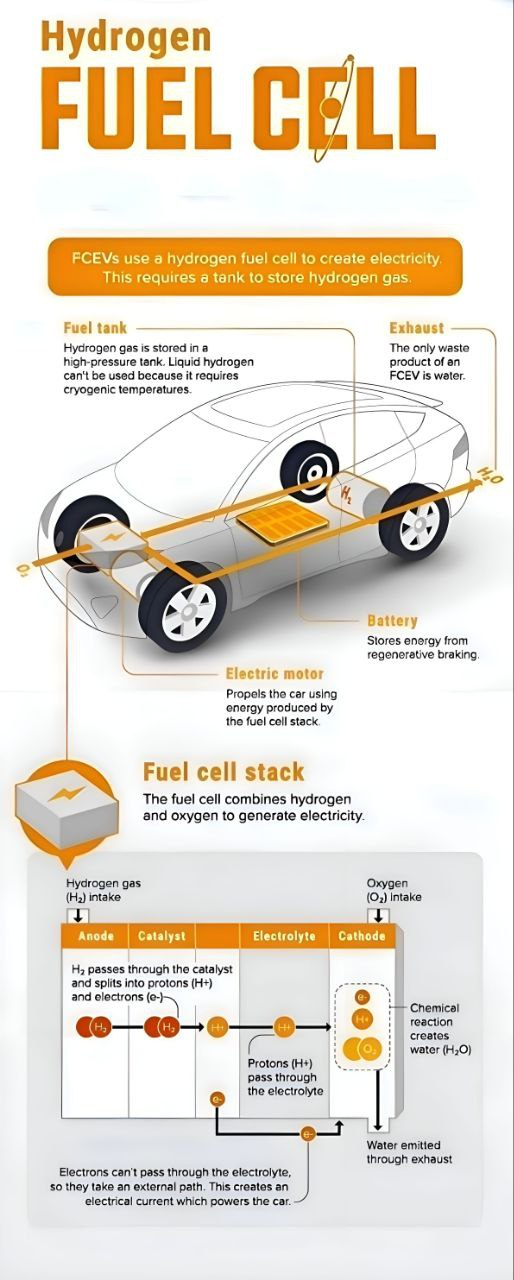
Hydrogen fuel cells are another promising technology for powering EVs. They generate electricity through a chemical reaction between hydrogen and oxygen. The resulting electricity powers the electric motor.
Advantages of Hydrogen Fuel Cells
- Longer range: Hydrogen fuel cells can provide a longer range than lithium-ion batteries, making them suitable for long-distance travel.
- Faster refueling: Refueling a hydrogen-powered vehicle is similar to refueling a gasoline-powered car and can be done in a matter of minutes.
- Cleaner emissions: When hydrogen is produced from renewable sources, hydrogen fuel cells produce zero emissions.
Disadvantages of Hydrogen Fuel Cells
- Limited infrastructure: The infrastructure for hydrogen refueling stations is still developing and is limited in many regions.
- Higher cost: Hydrogen fuel cells are currently more expensive than lithium-ion batteries.
- Hydrogen production: The production of hydrogen can have environmental implications, depending on the source.
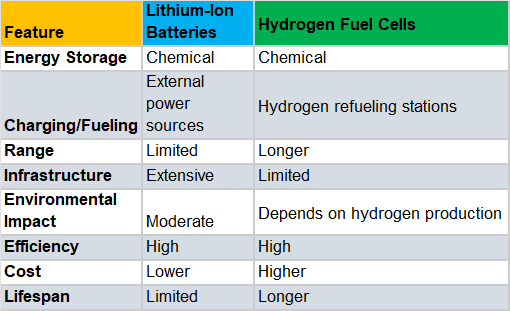
Key Differences
Which technology is best?
The choice between lithium-ion batteries and hydrogen fuel cells depends on various factors, including desired range, charging or refueling infrastructure availability, and environmental concerns. Lithium-ion batteries are currently the dominant technology in the EV market due to their mature technology and extensive infrastructure. However, hydrogen fuel cells offer promising potential for long-distance travel and certain applications.
As technology continues to advance, it is likely that both lithium-ion batteries and hydrogen fuel cells will play a role in shaping the future of electric transportation.
Comment down which technology is best according to and why.
See you online.
Happy Questing
@iQOO Connect @NipunMarya @parakram_h @TechSAM009
Please sign in
Login and share