




























#ShotOniQOO Maestro Mantis 🦗 and it's stance

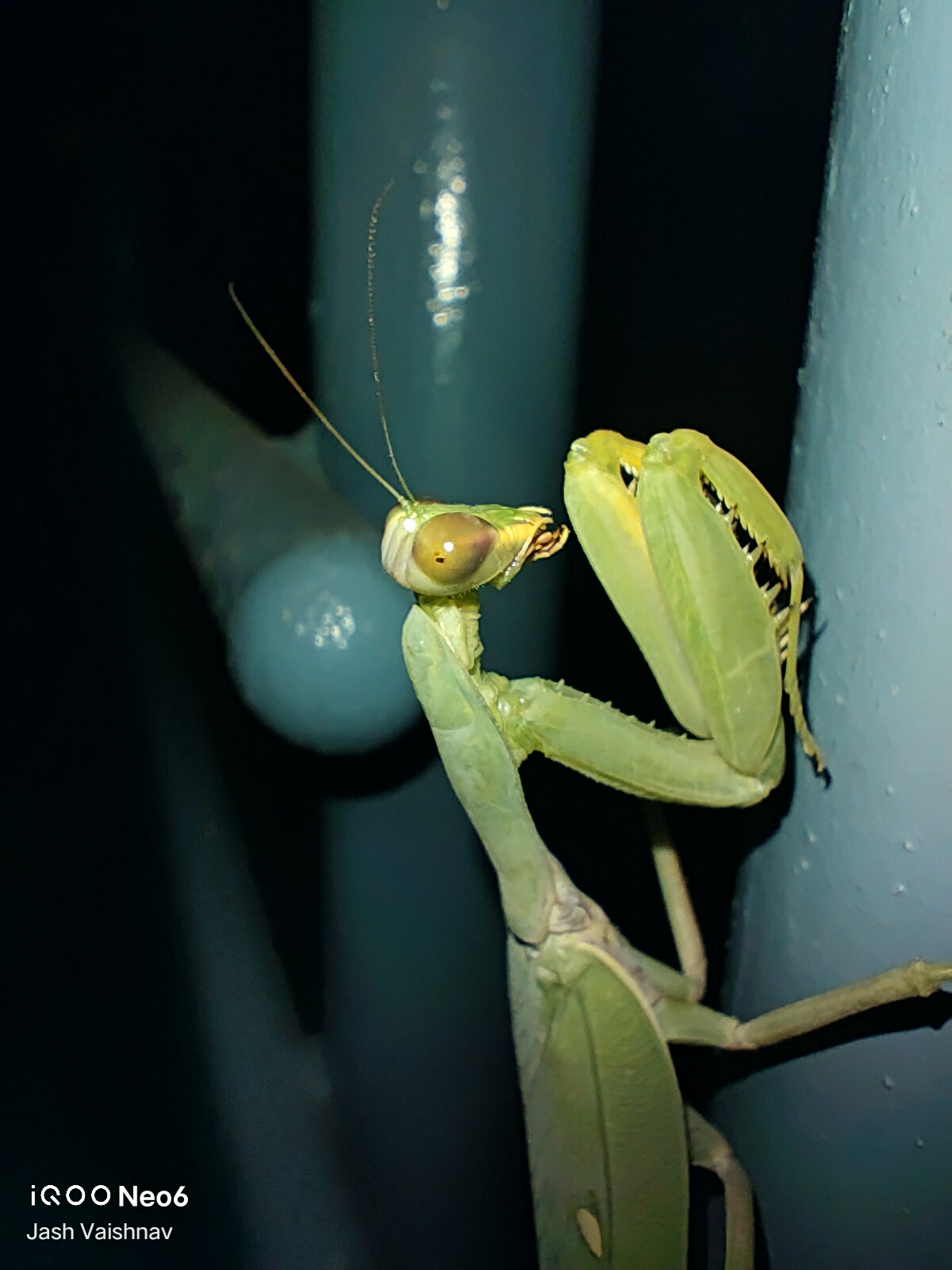
Figure 1, view larger image
A praying mantis has 5 eyes! You would think two would be enough, but not for a hunter like this. Small eyes in the middle of the head are used for detecting light while the big compound eyes are for seeing movement and having depth vision.
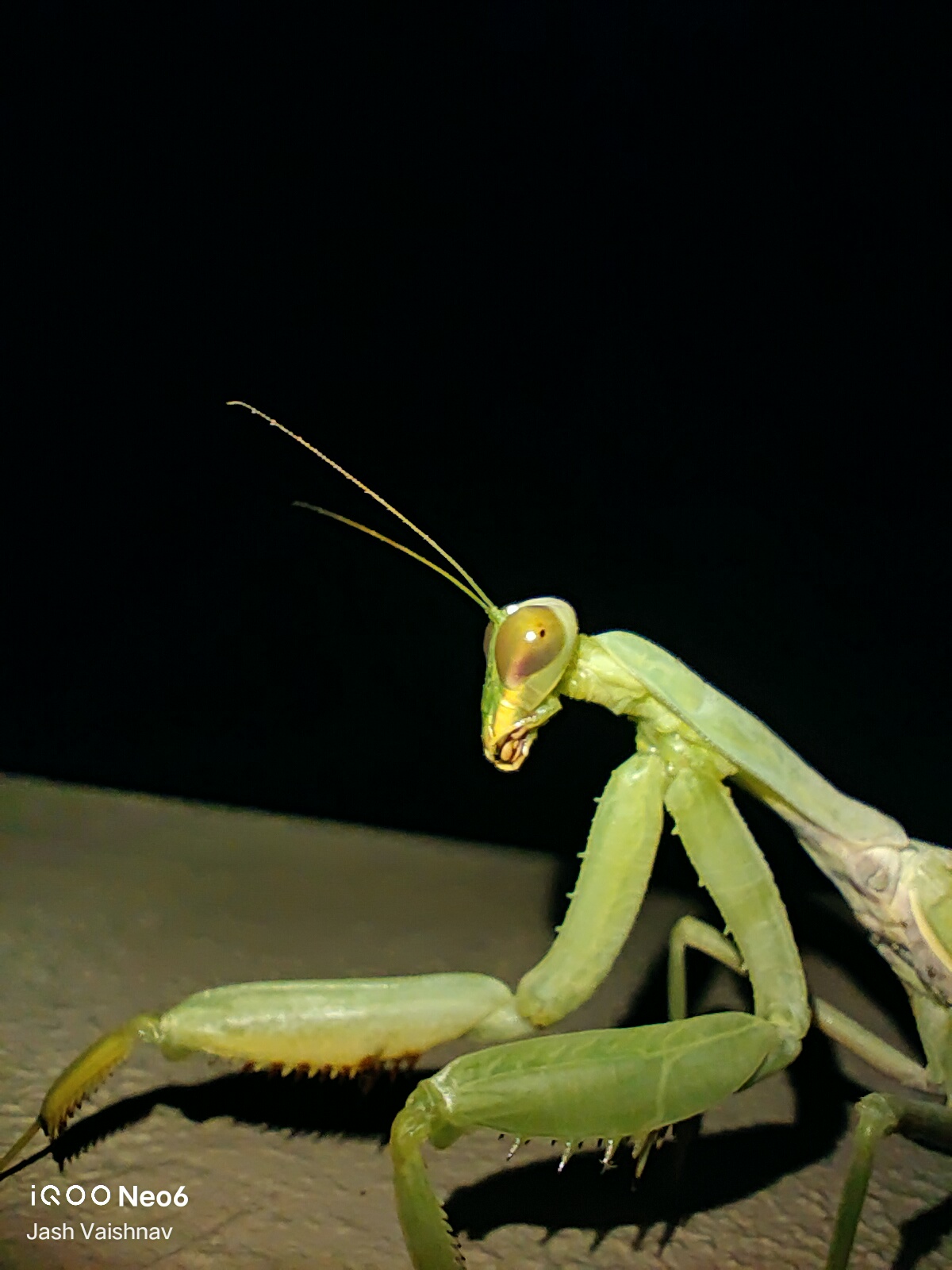
Figure 2, view larger image
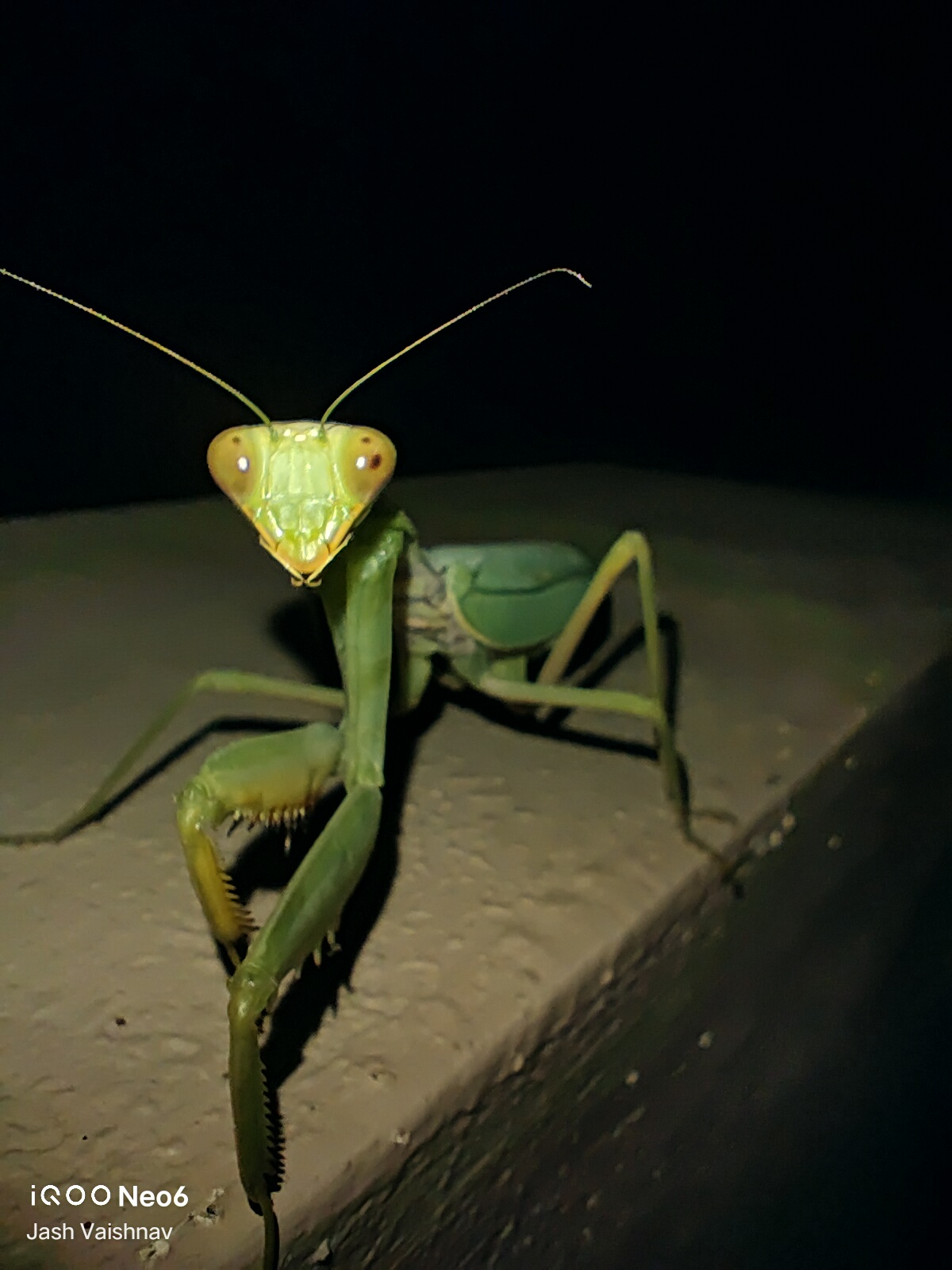
Figure 3, view larger image
Their famous forelegs are very powerful for their size and can crush its prey in half. Their mouth parts have several strong cutting components to tear and consume through insect exteriors. Praying mantises are able to turn their heads 180° for excellent vision and hearing.
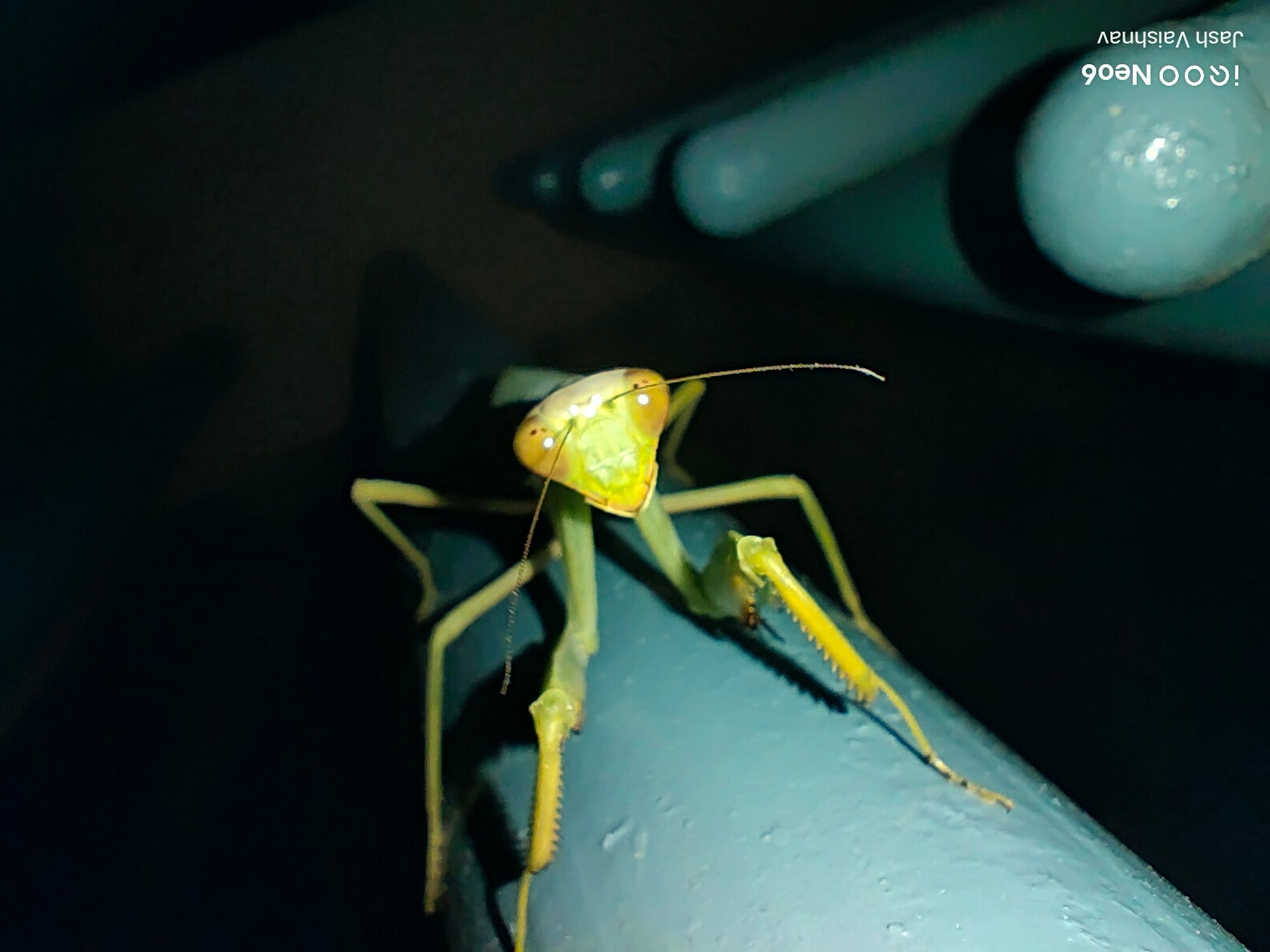
Figure 4, view larger image
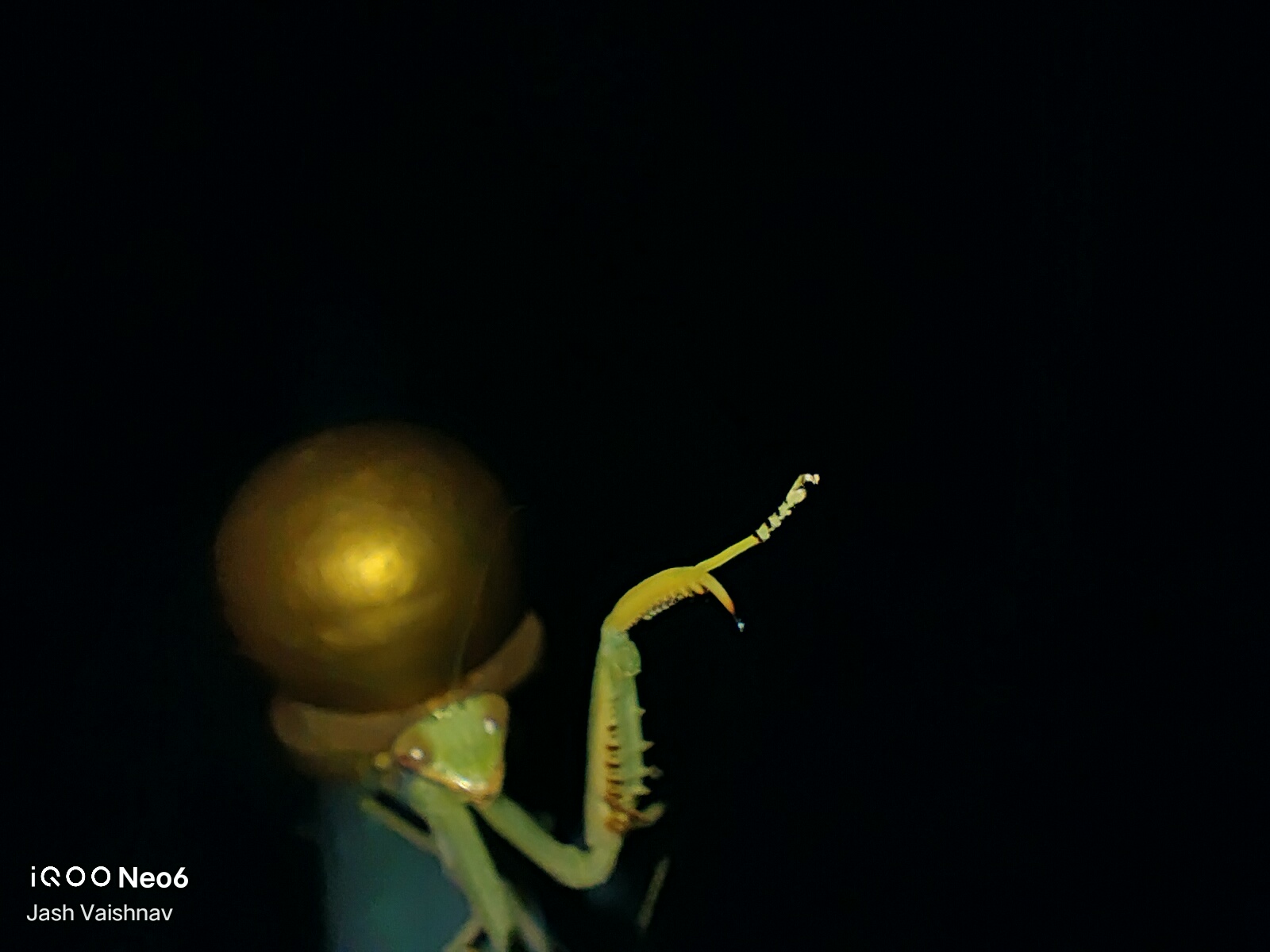
Figure 5, view larger image
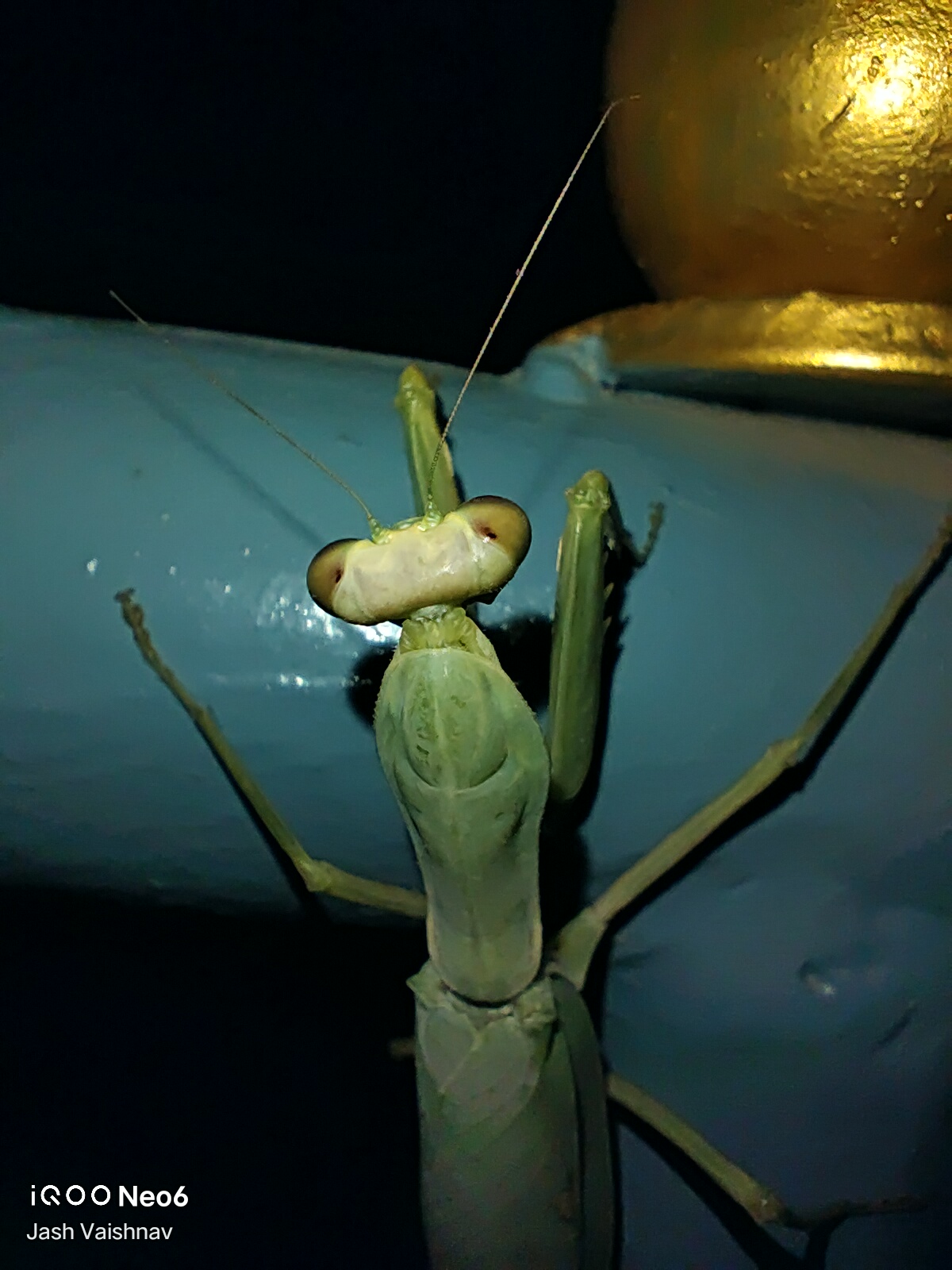
Figure 6, view larger image
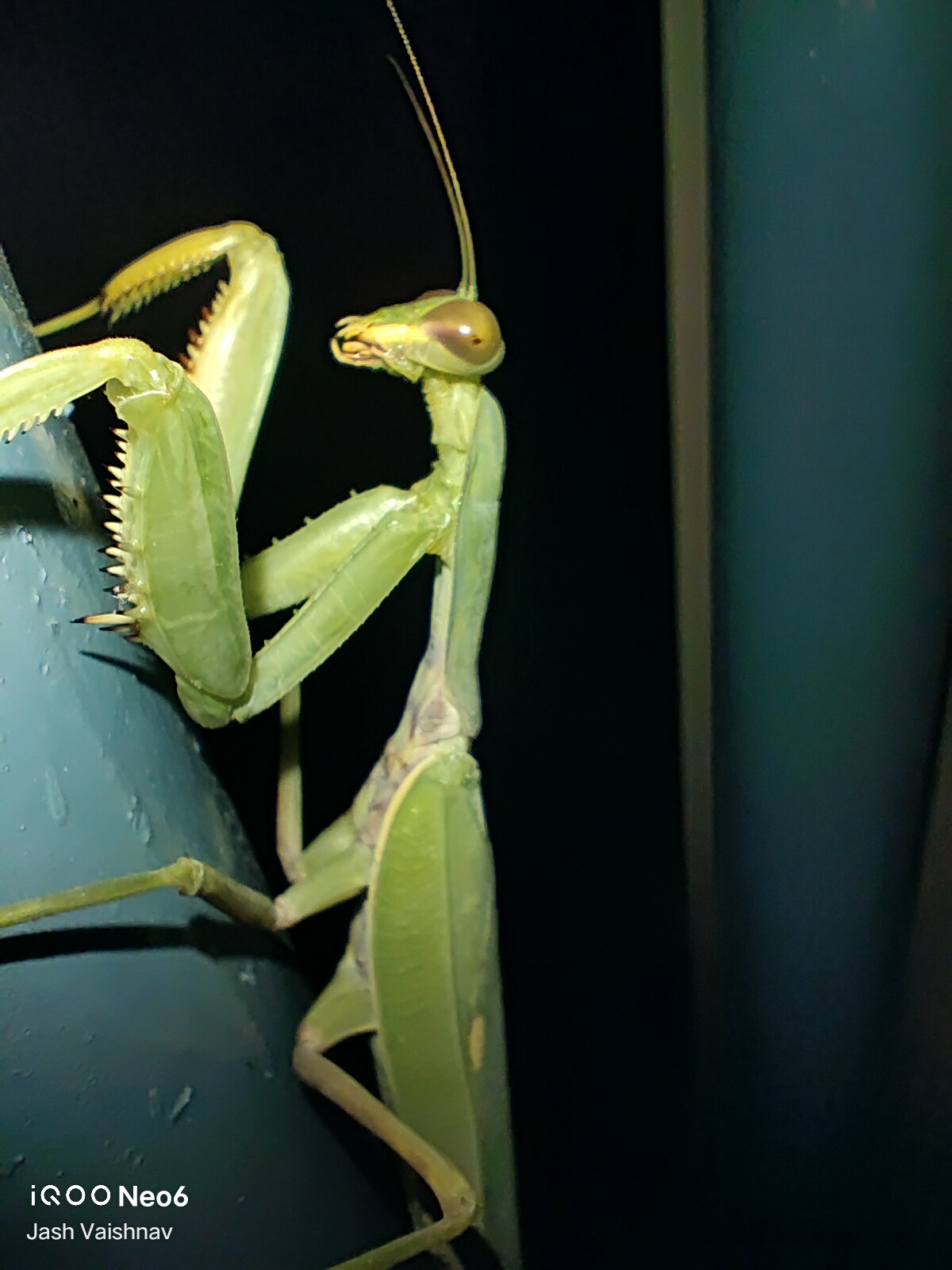
Figure 7, view larger image
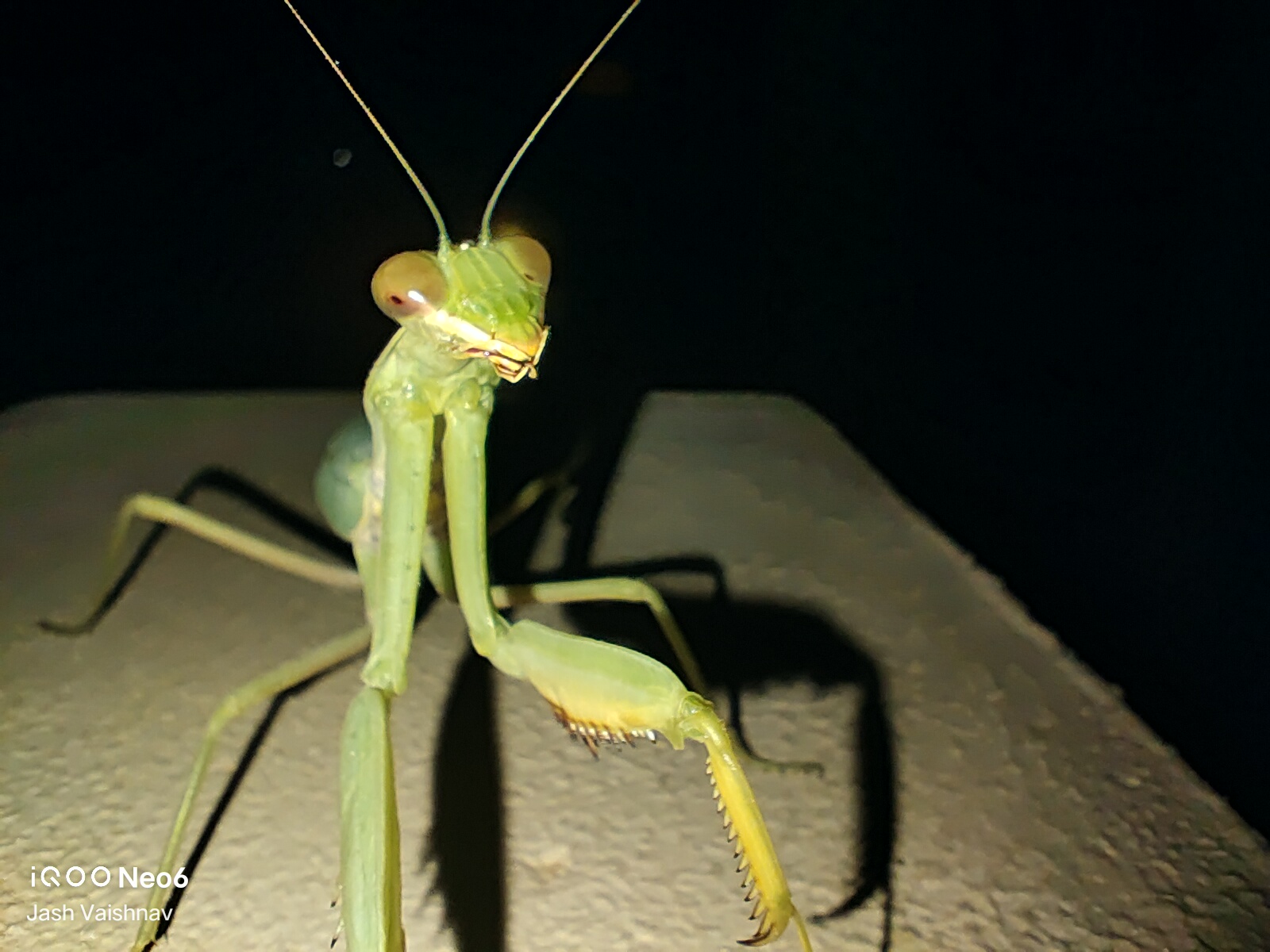
Figure 8, view larger image
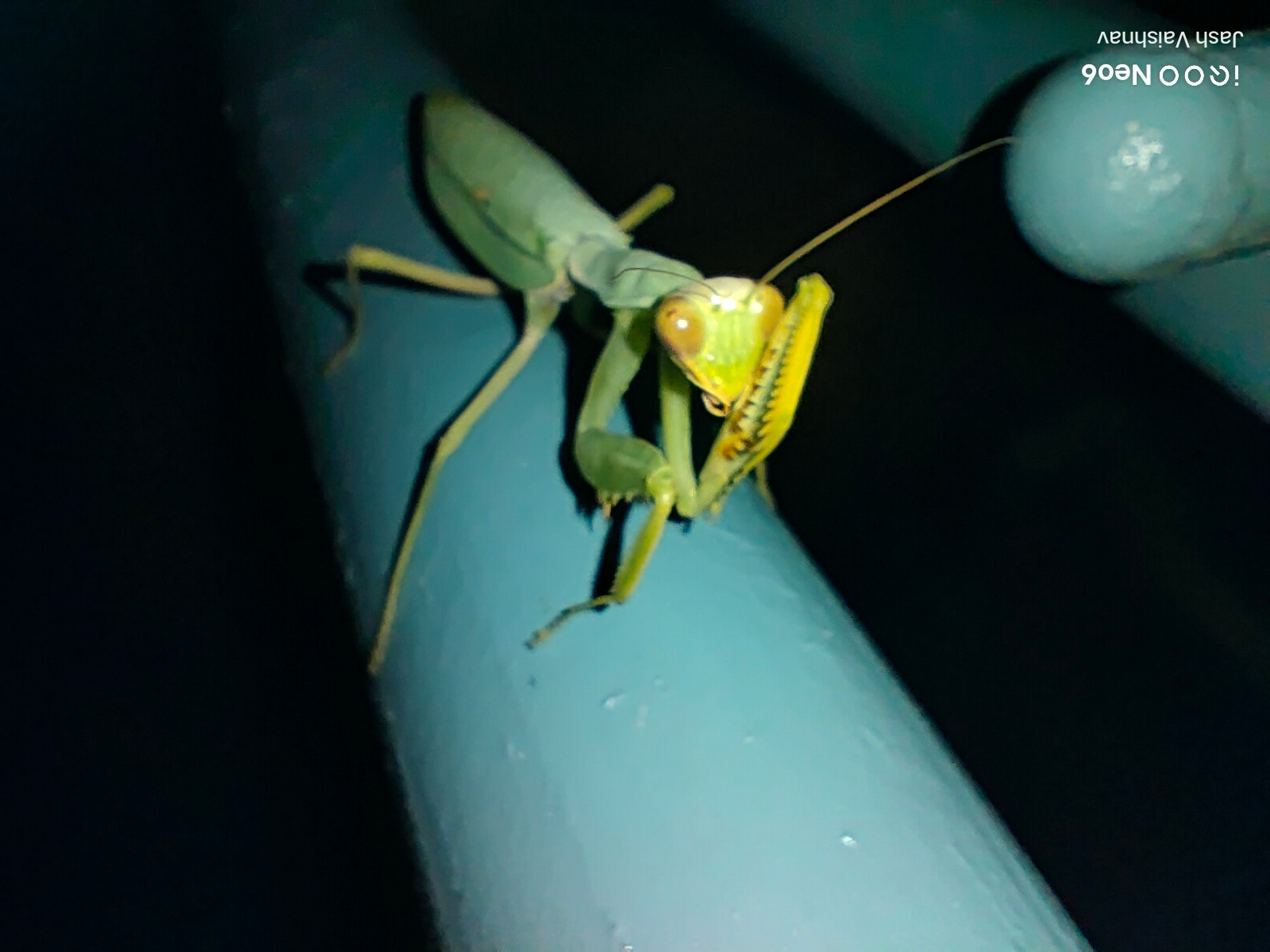
Figure 9, view larger image
Larger mantises sometimes eat smaller individuals of their own species, as well as small vertebrates such as lizards, frogs, fish, and particularly small birds. Most mantises stalk tempting prey if it strays close enough, and will go further when they are especially hungry.
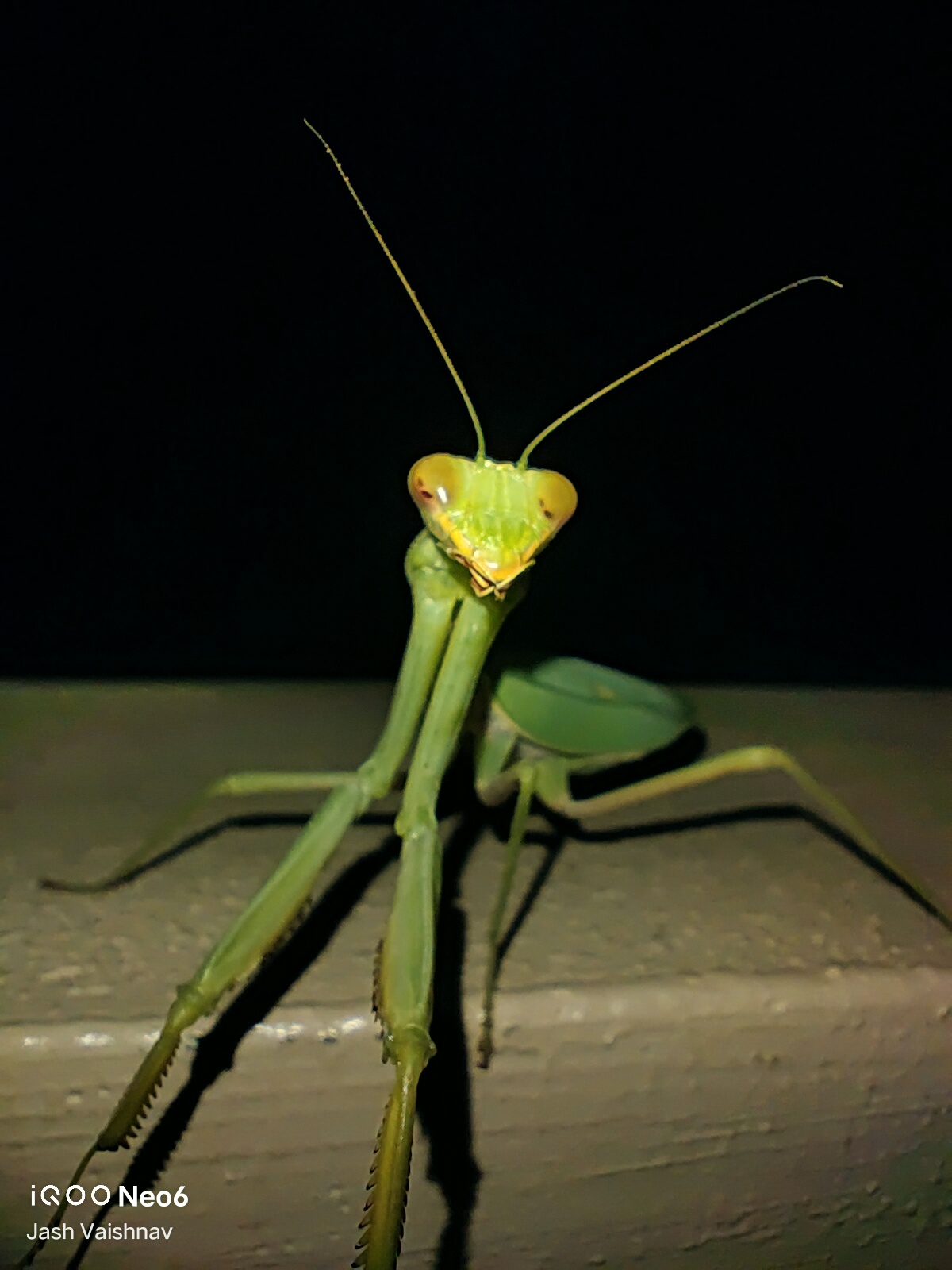
Figure 10, view larger image
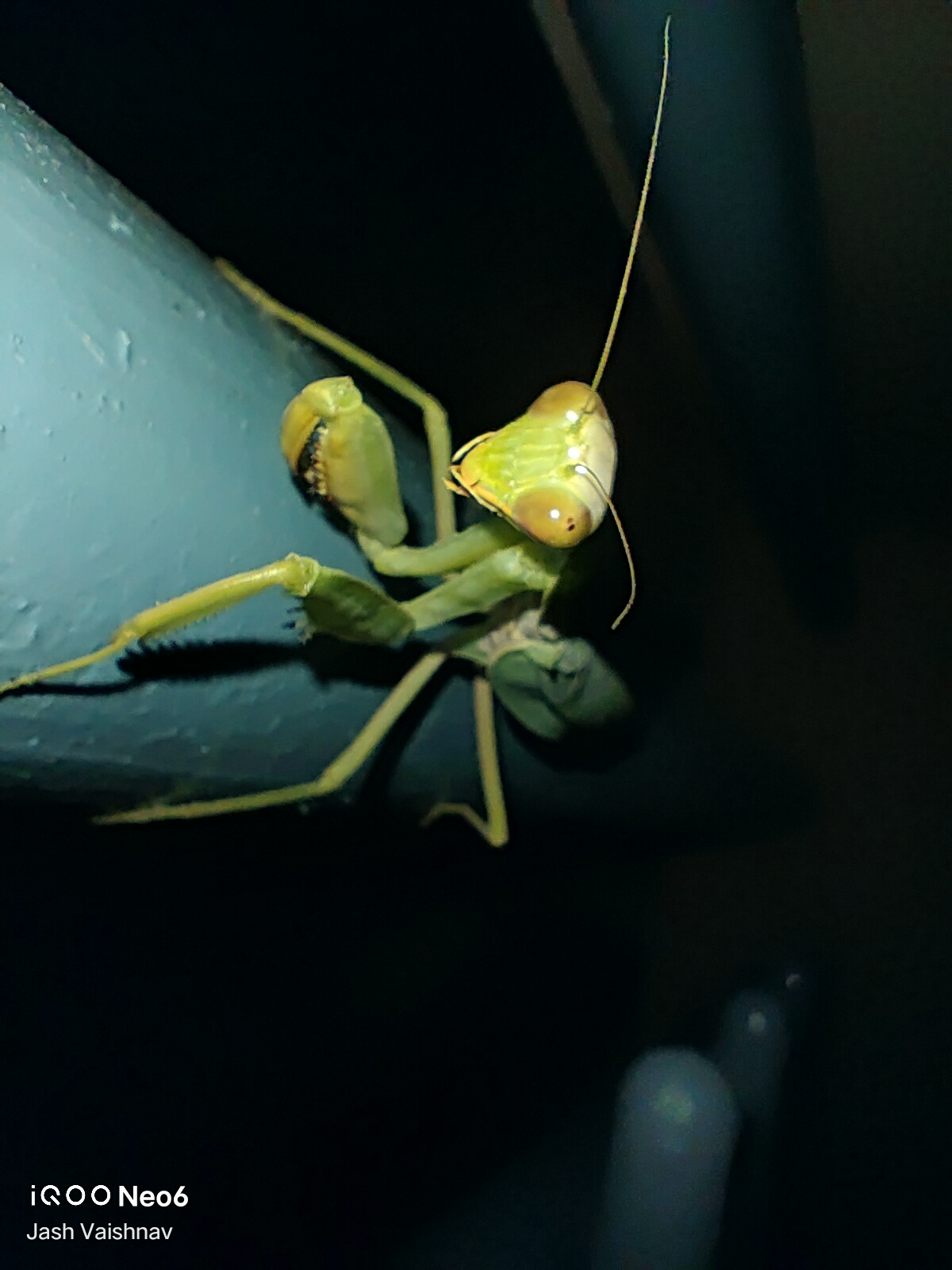
Figure 11, view larger image
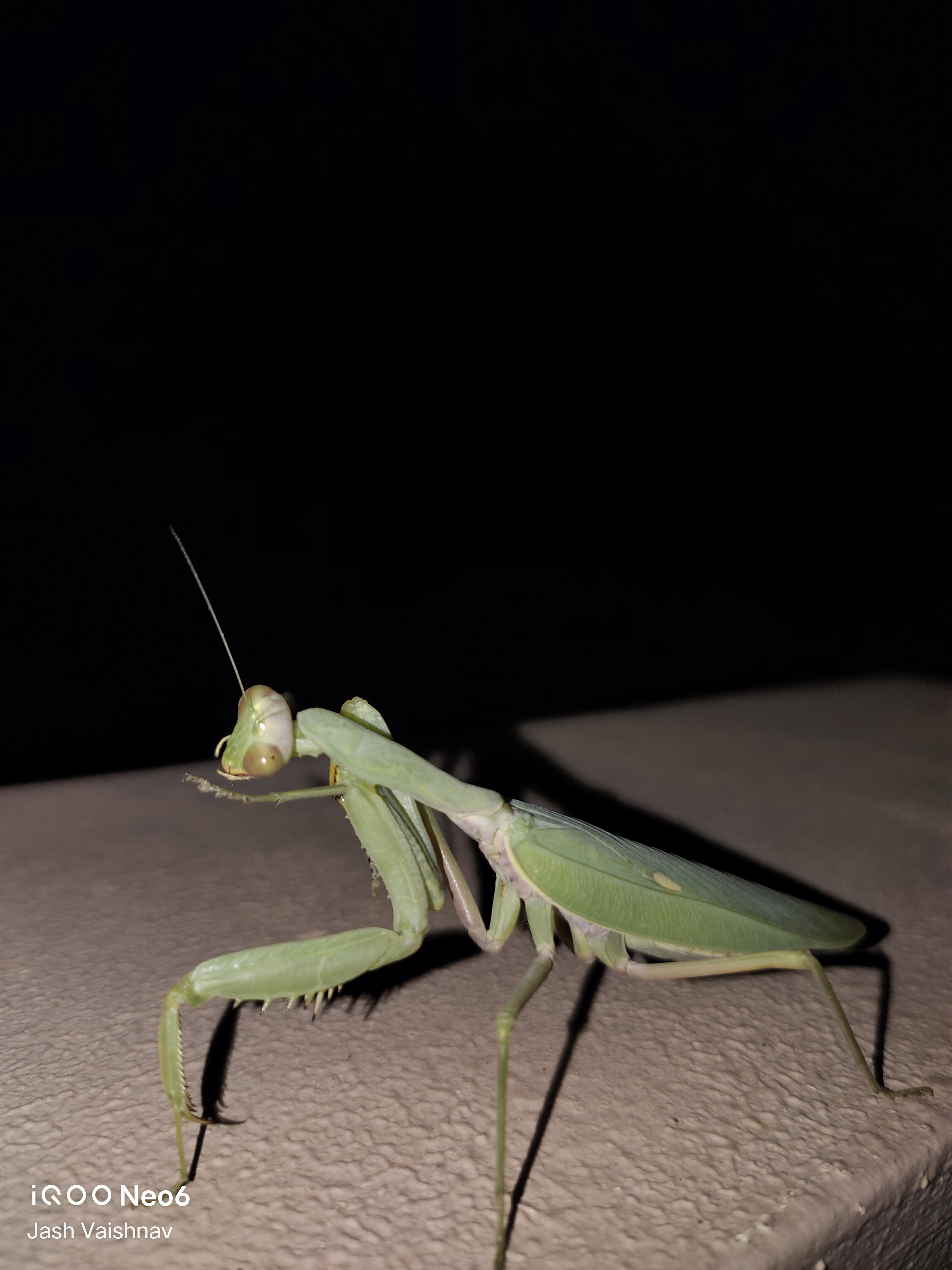
Figure 12, view larger image
They are the only insects in the world that can turn their heads 180 degrees. This superpower is useful when hunting prey. Praying mantises silently sit and wait for prey to approach. Being able to turn their head and see around them helps them find prey without moving and giving away their location.
@iQOO Connect
@Parakr Hazarika
Photography
287
17
Please sign in
Login and share
Sign in