











The real difference between HDR, HDR10+, and Dolby Vision

Greetings of the day Questers!
Buying a smart TV can be confusing due to all the technical terms. Some terms like OLED and refresh rate are about the actual hardware, while others like Neo-QLED and motion rate are more marketing terms. Understanding these differences can help you make an informed decision.
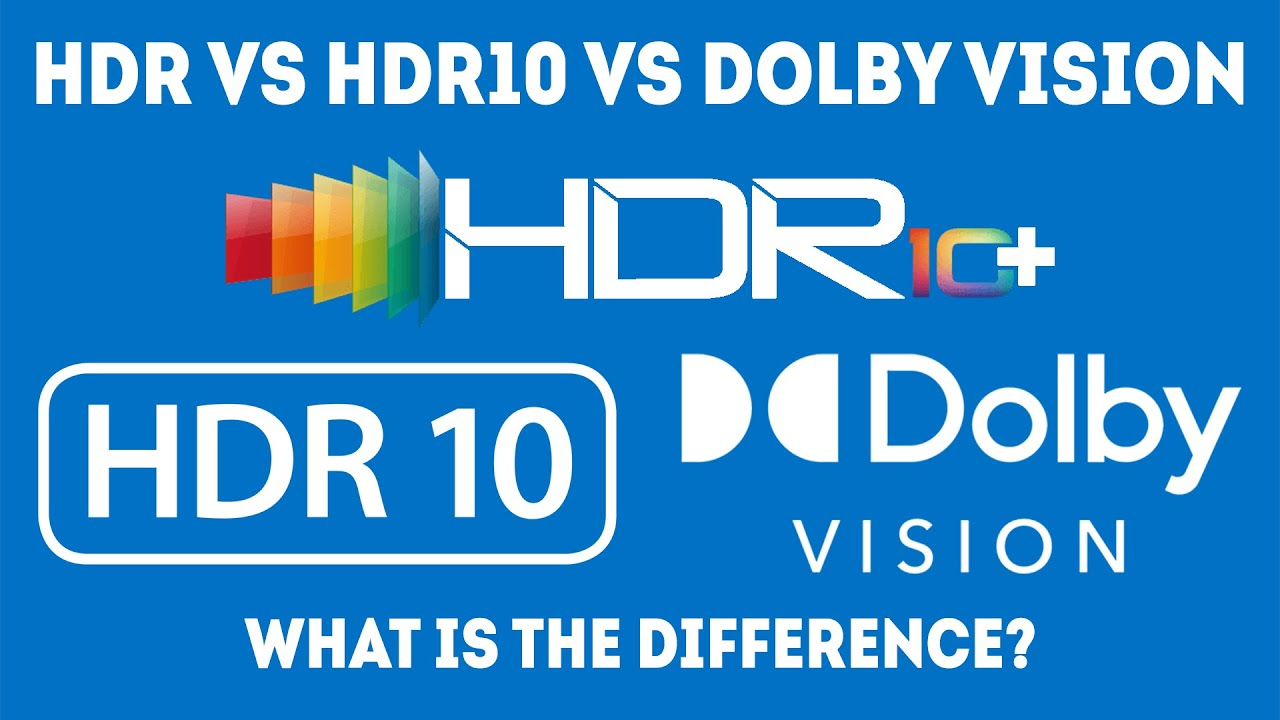
What is HDR, or High Dynamic Range?

High Dynamic Range (HDR) is a TV technology that enhances color and contrast, making colors more vibrant and realistic. HDR TVs show deeper blacks and brighter whites, bringing out details in both dark and light scenes that non-HDR TVs might miss. Most new smart TVs support HDR, and many streaming platforms now offer HDR content. To fully enjoy this enhanced quality, you'll need an HDR-compatible TV, as HDR is a big step up from Standard Dynamic Range (SDR), which has limited color and brightness.
What is HDR10 and HDR10+?

HDR comes in different formats, mainly HDR10 and HDR10+. Both are open standards, but HDR10 is widely used because it's free, while HDR10+ requires certification from Samsung and Amazon. HDR10 offers static visuals, keeping brightness and color settings constant, while HDR10+ adjusts these settings dynamically, adapting to each scene for better picture quality. Not all TVs deliver HDR equally, as screen quality and processing power also affect how good HDR formats look on screen.
What is Dolby Vision?

Dolby Vision is another HDR format that, like HDR10+, uses dynamic adjustments to enhance scenes as you watch. Both offer similar brightness, and while Dolby Vision can support 12-bit color (versus HDR10+'s 10-bit), most content doesn't use more than 10-bit anyway. The main difference is that Dolby Vision requires a licensing fee, so not all brands, like Samsung, use it; however, LG and Sony do, and some models by Vizio, TCL, and Hisense support both formats. For streaming, Amazon Prime Video has many HDR10+ titles, while Netflix and Disney+ lean toward Dolby Vision.
How do video formats influence what TV to buy?
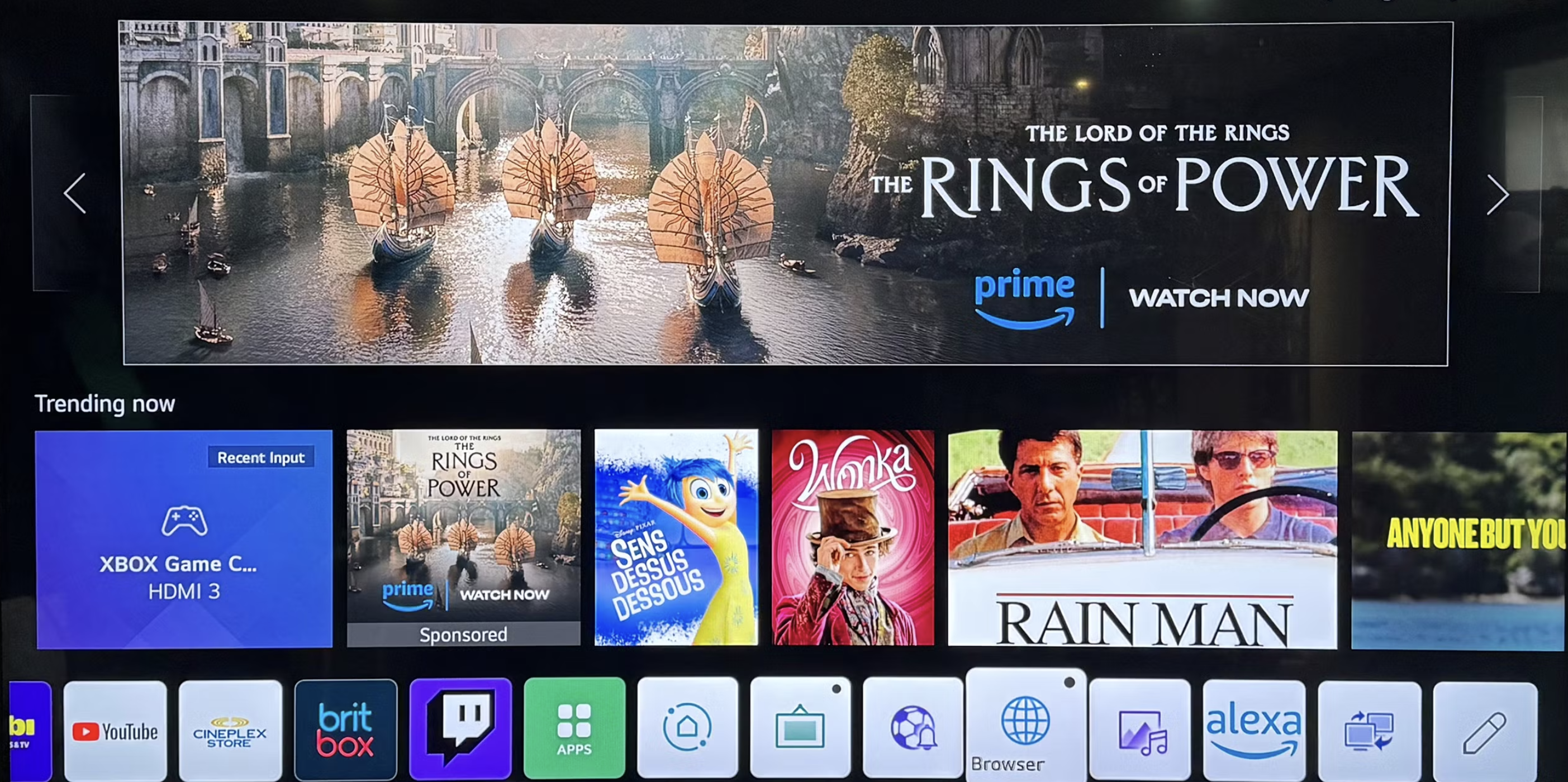
Buying a TV can be confusing with all the video formats out there. The simplest approach is to choose a smart TV that supports either HDR10+ or Dolby Vision, as both provide great picture quality for modern content. Most TVs now recognize these formats automatically when you stream or play media, so there's no setup required. Choosing between Dolby Vision and HDR10+ shouldn't be the deciding factor for a specific brand, as many streaming services support both formats and are working to expand compatibility. When shopping, focus on understanding these formats and which one fits the content you watch most to get the best experience from your new TV.
And that's it for this thread guys!
I hope this thread would be useful.
Hope you like the thread. 😊
Dont forget to drop a like and comment. It definitely appreciates me to make more informative threads like these. 🤩
Please share your thoughts in the comment section below 👇🏻
#iqoocommunity #iqooconnect #iqooindia
Follow me @DeepakBotu
Connect with me on Instagram @deepakbotu
Please sign in
Login and share