












High-End VR vs. Mobile VR: Comparing Immersive Experiences and Accessibility

Hey Questers! Today, I'm excited to dive into a detailed comparison of High-End VR and Mobile VR, exploring how these two immersive technologies differ in terms of their experiences and accessibility.
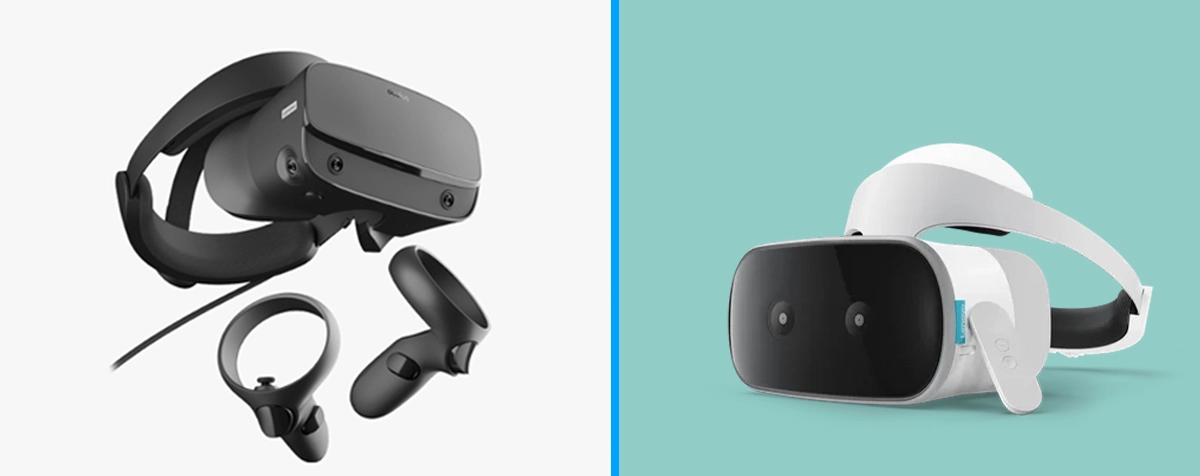
Virtual Reality (VR) technology has evolved significantly, offering users immersive experiences that range from high-end, console-connected systems to mobile-based solutions. Each type has its own set of strengths and limitations, catering to different user needs and preferences.
High-End VR
High-end VR systems, such as the Oculus Quest 2 (when used with a PC), HTC Vive, and Valve Index, offer superior performance and an immersive experience. Key features include:
1. Graphics and Performance: These systems boast high-resolution displays and powerful processing capabilities, delivering rich, detailed environments and smooth frame rates. They often require a powerful PC or console to handle the processing.
2. Tracking and Controllers: High-end VR systems feature precise tracking technology, often including external sensors and advanced controllers that provide accurate movement tracking and a more interactive experience.
3. Content Library: They usually have access to a broad range of high-quality VR content, including AAA games and sophisticated applications, thanks to their robust hardware.
4. Comfort and Build: These headsets are designed for extended use, with adjustable straps and high-quality materials for comfort. However, they can be bulky and require a dedicated play area.
Mobile VR
Mobile VR systems, such as the Samsung Gear VR or Google Cardboard, offer a more portable and affordable VR experience. Their main characteristics include:
1. Affordability and Accessibility: Mobile VR is typically more budget-friendly and requires only a compatible smartphone to operate. This makes it more accessible to a wider audience.
2.Ease of Use: Setting up mobile VR is straightforward, often involving just the placement of a smartphone into a headset. There are no complex configurations or external hardware required.
3. Content: While the content available is varied, it may not be as rich or sophisticated as that offered by high-end systems due to the limitations of mobile processors and display resolutions.
4. Portability: Mobile VR is lightweight and portable, making it easy to carry and use in various locations. However, it usually offers less immersion compared to high-end VR systems.
Conclusion
Choosing between high-end VR and mobile VR depends on your priorities. If you seek cutting-edge technology and high immersion levels and don’t mind the cost and setup complexity, high-end VR is the way to go. On the other hand, if you prefer an affordable, portable option with decent VR experiences, mobile VR could be the better choice.
Each type of VR offers unique advantages, catering to different user needs and budgets. Understanding these differences will help you select the VR experience that best fits your lifestyle and expectations.
hope you guys liked it.Stay tuned for more
amazing content and please feel free to comment down your queries.
Signing out!
Please sign in
Login and share