






Tech Series Part 8 : 30000 Infrared Dot On Your Face 🤯( Face Id Tech )📵

Hey Questers 🤗 I am Manab Today I want to share with you about The mention of "30,000 infrared dots on your face" likely refers to the technology used in facial recognition systems or 3D facial scanning. Devices like the Apple Face ID employ infrared dot projection technology to map a 3D image of your face securely and accurately. Here's how it works:

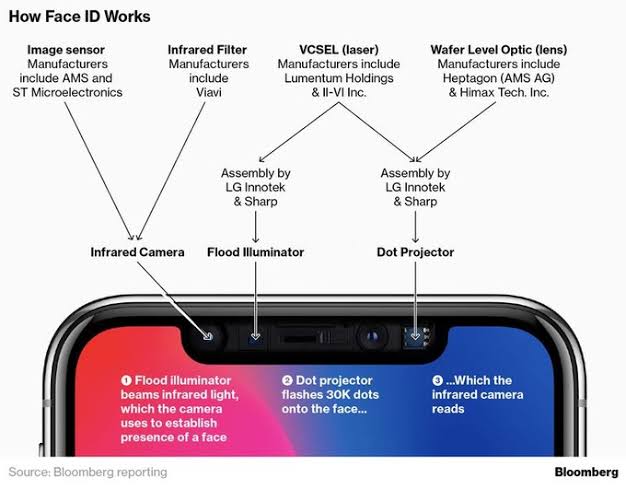
1. Infrared Dot Projection: The device projects thousands of invisible infrared dots onto your face.
2. 3D Mapping: A camera detects how these dots deform based on the contours of your face.
3. Recognition: The system creates a detailed 3D map, which is then used to identify or authenticate you.
This technology is generally safe since it uses non-ionizing infrared light, which doesn't pose a significant health risk. However, if you're concerned about prolonged exposure to such systems, you can limit their use or disable features like facial recognition.
Let's Explore in More details ✍️
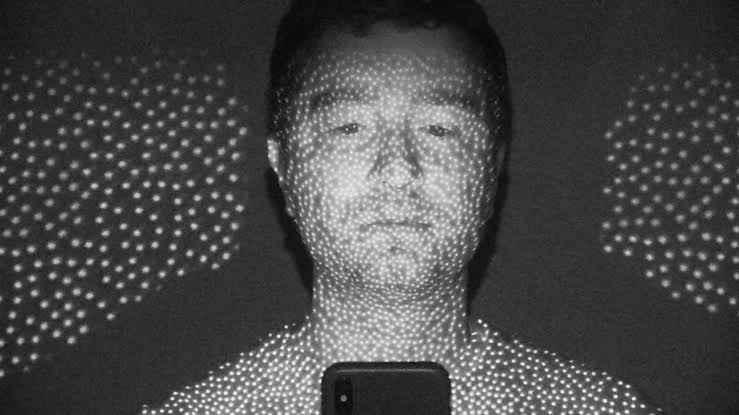
Here’s a detailed breakdown of how the 30,000 infrared dots technology works, primarily in facial recognition or 3D scanning systems:
1. The Technology Behind It
Infrared Light: Infrared light is invisible to the human eye and safe for use. It’s widely utilized in biometric systems because it works well in various lighting conditions, including complete darkness.
Dot Projector: A small device, often built into a smartphone or other scanning equipment, projects a grid of approximately 30,000 infrared dots onto the surface of your face.
Structured Light: The pattern of dots deforms when it lands on different parts of your face, creating a 3D representation.
2. Process of 3D Mapping
Step 1: Emission
The dot projector emits a grid of infrared light points. These dots scatter across your face, illuminating its contours.
Step 2: Capturing
An infrared camera (paired with the dot projector) captures how the dots land on your face. It measures the distortion of the grid to calculate depth and angles.
Step 3: Depth Analysis
Advanced algorithms process the distortion patterns, creating a precise 3D model of your face. This map is often accurate down to minute details like skin texture.
3. Applications
Facial Recognition: Used in smartphones (e.g., Apple Face ID) to authenticate users by comparing their current face scan with a stored template.
3D Scanning: For creating digital avatars, enhancing virtual reality experiences, or medical imaging.
Security Systems: For access control in sensitive areas.
Healthcare: Mapping facial features for reconstructive surgery planning or diagnostic tools.
4. Safety
Infrared Light: Non-ionizing and considered safe for skin and eyes. The power output of these systems is minimal and regulated for consumer devices.
Privacy: Data is typically encrypted and stored locally on devices to prevent unauthorized access.
5. Benefits
Works in low-light conditions.
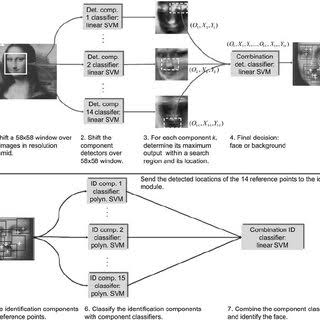
Highly accurate, reducing the risk of false positives.
Difficult to spoof using photos or 2D images.
Conclusion ⁉️
The use of 30,000 infrared dots technology is a revolutionary advancement in facial recognition and 3D scanning. It provides high precision, security, and versatility across various applications, including smartphones, healthcare, and access control systems. The technology is safe, as it uses non-ionizing infrared light and ensures privacy through encryption and local data storage.
In conclusion, this innovation enhances convenience and security in modern devices while maintaining user safety and data integrity
Thanks @iQOO Connect🫶
Signing Off Follow for more
Manab ✍️
If you’re interested in
specific systems or devices using this technology, let me know!
Please sign in
Login and share