



























The Kumbh Mela: A Spiritual Gathering of Epic Proportions

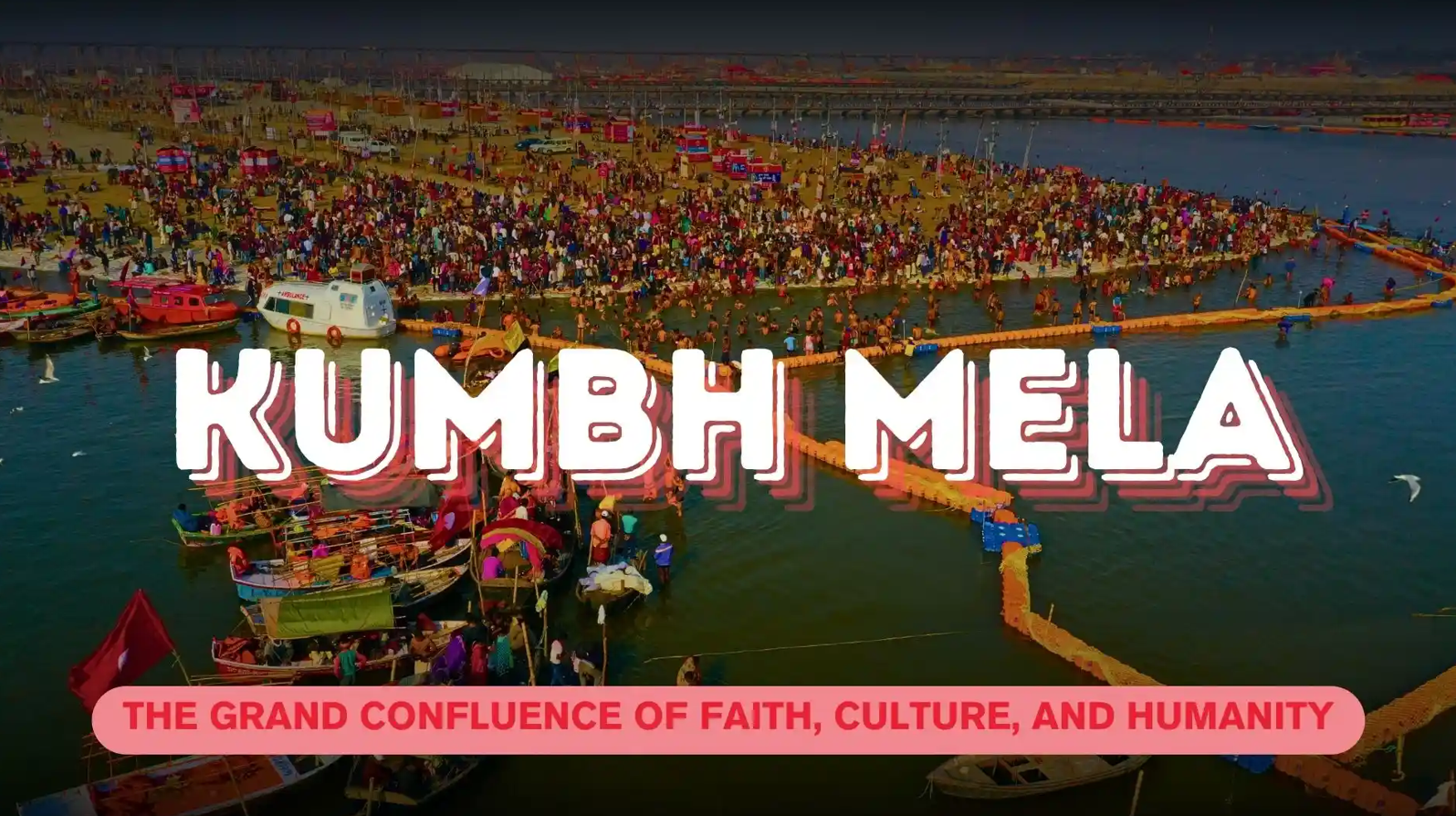
The Kumbh Mela is one of the largest spiritual gatherings on Earth, drawing millions of devotees, ascetics, and visitors from across the globe. Celebrated in India, this grand festival is a manifestation of faith, culture, and tradition, rooted in Hindu mythology and philosophy. The event takes place at four different locations: Prayagraj (formerly Allahabad), Haridwar, Nashik, and Ujjain, on a rotating basis every 12 years. Each location holds its unique charm, situated along sacred rivers—the Ganga, Yamuna, Saraswati, Godavari, and Shipra—which are central to the festival's rituals and beliefs.
The Mythological and Historical Significance
The origins of the Kumbh Mela are steeped in Hindu mythology, particularly the tale of the Samudra Manthan, or the churning of the ocean of milk. According to legend, the gods (devas) and demons (asuras) worked together to churn the ocean to obtain the nectar of immortality (amrita). However, a fierce battle ensued over the nectar, during which a few drops fell at the four sacred sites where the Kumbh Mela is held. These places are believed to possess spiritual potency, and a holy dip in their waters during the festival is thought to cleanse sins and pave the way to salvation.
Historically, the Kumbh Mela's origins can be traced back to ancient scriptures such as the Puranas. It gained prominence during the Gupta Empire, when rulers patronized religious and cultural gatherings. Over centuries, the event evolved into a colossal congregation that continues to attract millions.

The Rituals and Practices
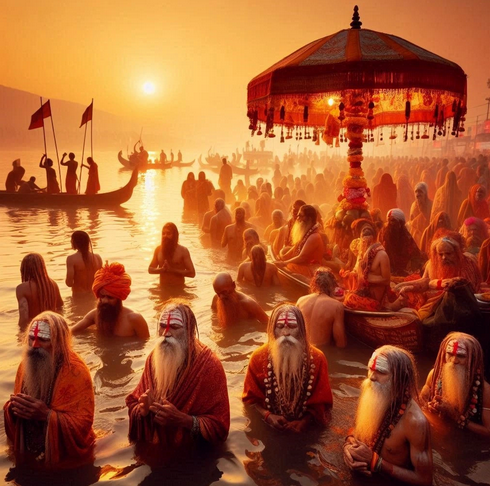
At the heart of the Kumbh Mela are its spiritual and religious rituals. The most iconic of these is the Shahi Snan, or royal bath, where ascetics, sadhus, and pilgrims take a dip in the sacred waters at auspicious times. This act is considered the pinnacle of the festival, symbolizing purification and spiritual renewal.
The festival's calendar is guided by astrological alignments, with key bathing days determined by the position of celestial bodies. Apart from the Shahi Snan, devotees engage in prayers, yoga, meditation, and discourses. The event also serves as a platform for spiritual leaders to share teachings, fostering a sense of community and collective enlightenment.
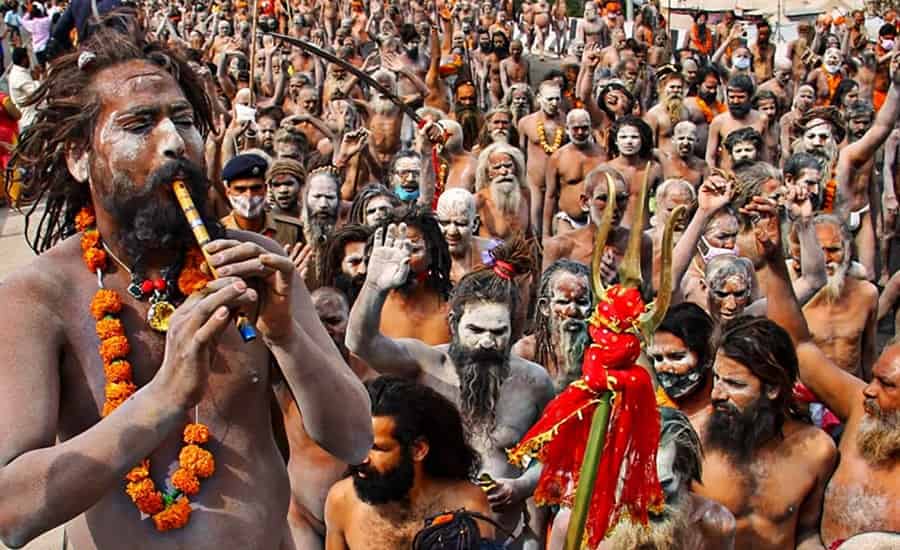
The Kumbh Mela is renowned for its vibrant and diverse participants. Naga sadhus, ascetics who renounce worldly possessions, are among the most notable attendees. Their processions, marked by tridents, ash-smeared bodies, and chants, add a dramatic visual element to the festival. Equally significant are the Akharas, monastic orders that play a central role in organizing the rituals and maintaining the event's spiritual essence.
Cultural and Social Dimensions
Beyond its religious significance, the Kumbh Mela is a cultural extravaganza that showcases India's rich heritage. Folk music, dance, and art performances abound, offering a glimpse into the diverse traditions of the country. The festival's markets, filled with handicrafts, religious artifacts, and local delicacies, create a vibrant atmosphere.
The event also serves as a microcosm of humanity, bringing together people from various walks of life. It is a testament to the power of faith and collective consciousness, where millions coexist peacefully despite the challenges of such a massive gathering.
Modern Challenges and Management
Organizing the Kumbh Mela is a herculean task, given the sheer scale of the event. Authorities face challenges related to crowd management, sanitation, transportation, and healthcare. However, advances in technology and infrastructure have significantly improved the festival's logistics. Initiatives like mobile apps for navigation, temporary hospitals, and eco-friendly measures ensure the safety and well-being of attendees.
The government and local authorities also collaborate with environmental organizations to mitigate the ecological impact of the event. Efforts include cleaning the rivers, managing waste, and promoting sustainable practices among pilgrims.
The Global Appeal
The Kumbh Mela's allure extends beyond India, attracting international tourists, researchers, and photographers. UNESCO has recognized it as an "Intangible Cultural Heritage of Humanity," underscoring its global significance. For many, the festival offers a unique opportunity to witness a living tradition, immerse in spirituality, and experience the collective energy of millions united by faith.

Conclusion
The Kumbh Mela is more than a religious event; it is a celebration of humanity's spiritual quest, cultural richness, and collective spirit. Its enduring appeal lies in its ability to transcend boundaries, uniting people in their pursuit of inner peace and divine connection. As the world's largest congregation, the Kumbh Mela is a remarkable phenomenon that exemplifies the profound interplay of faith, tradition, and community.
Thank You
@NITIN@TechSAM009@TechieGuy@ARITRA@YasirTheJOD@MKJEDI@ayuu@Hasratsingh@Mahmudul Hasan@ANJU@★KRISHNA@@Akshay Naik@Chikki_1998@Kvkartikji04@Ashu._.pandit__@Jash13@V J ANANTH KRISHNA@prasad.photos@Jabir007@JStreetS@Manab10@SahilSingh@Ramesh17@Chandan_Cv18@Tilak@Anilyadav007@Lakshay@iQOOGamerz@adarshaj@arjunbansal@Rahul S@iQOO Connect@parakram_h@Shubham_Mondal
Please sign in
Login and share