








Halliday's AI Glasses: A Leap Forward in AR/VR world

Design and Display Technology
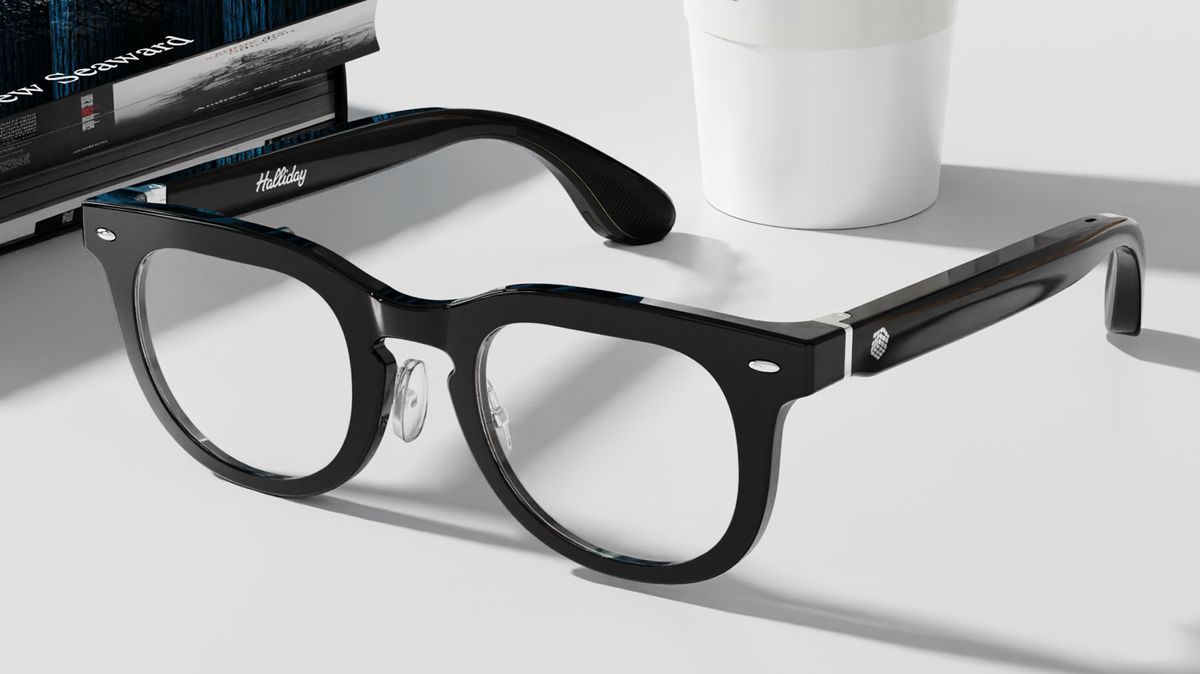
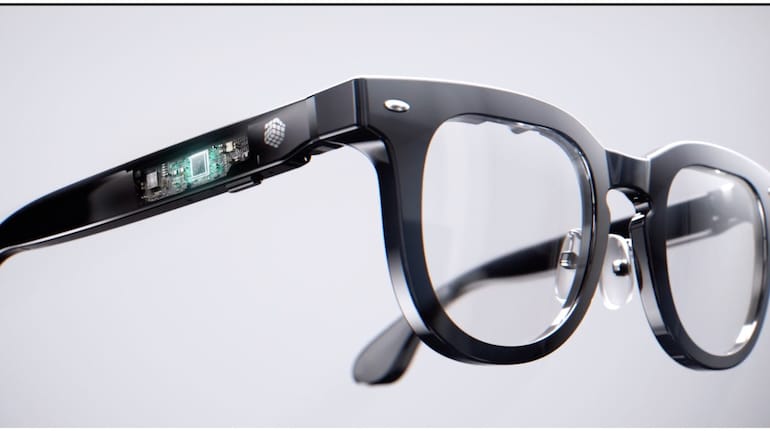
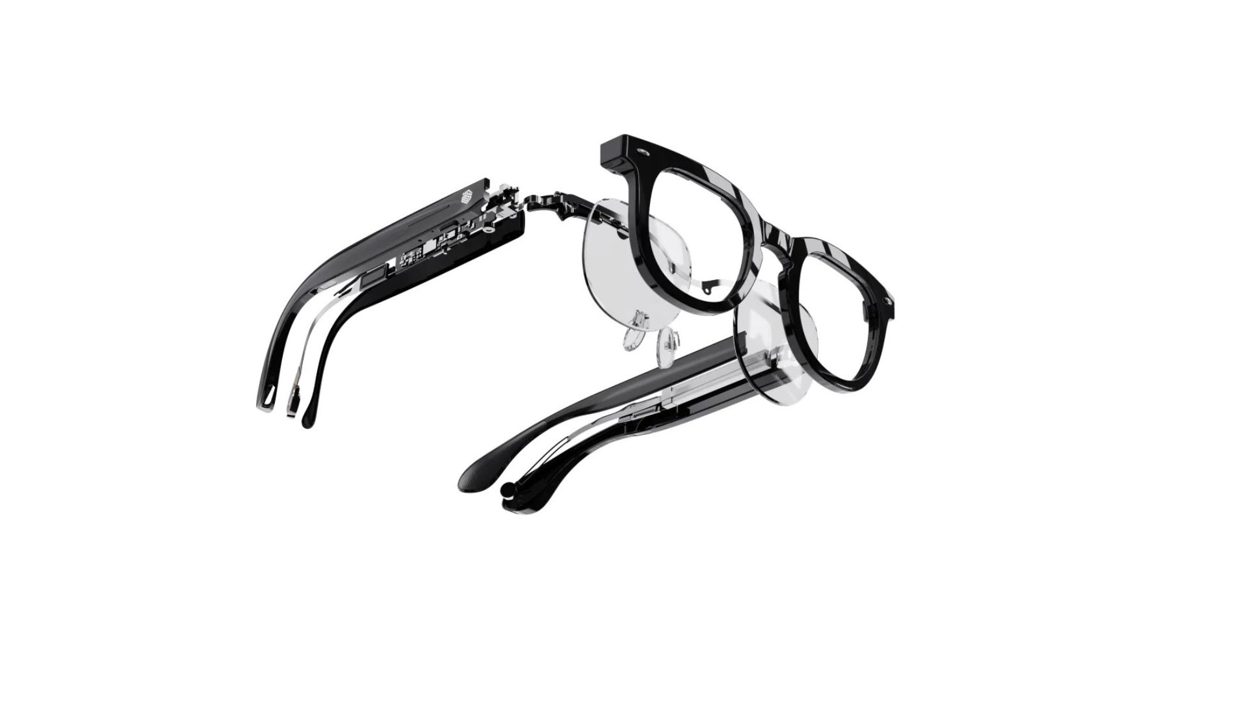
These glasses are impressively lightweight, weighing in at just 35 grams, ensuring comfort throughout the day. They are designed to accommodate prescription lenses, making them accessible to a broad audience. The standout feature is the "DigiWindow," a tiny optical module discreetly embedded in the frame. This module projects a 3.5-inch virtual display into the user's field of view, providing clear visuals without any visible light leakage or rainbow effects, thus maintaining user privacy.
AI Assistant and Functionalities
The glasses come equipped with a proactive AI assistant capable of analyzing conversations, answering questions, and offering real-time insights. This includes real-time translation in over 40 languages, live navigation assistance, voice-to-text transcription, and synchronized lyrics display during music playback. These features are designed to enhance daily productivity and convenience.
User Interaction and Controls
Users can interact with the glasses through various intuitive methods, including voice commands, touch-sensitive frame controls, and an accompanying smart ring. This smart ring allows for seamless navigation through the glasses' features, providing a hands-free experience that integrates smoothly into daily activities.

Battery Life and Pricing
With a battery life of up to eight hours, these glasses are well-suited for daily use. They are available in matte black or tortoiseshell finishes, catering to different style preferences. Priced between $399 and $499, Halliday's smart glasses are competitively positioned within the smart eyewear market. Shipping is expected to commence by the end of the first quarter of 2025.
Market Position and Competitiveness
By integrating a discreet display and proactive AI features into a fashionable design, Halliday's smart glasses present a compelling alternative to existing smart eyewear solutions from companies like Meta, Google, and Apple. Their combination of functionality, style, and competitive pricing positions them as a noteworthy contender in the evolving landscape of wearable technology.
Thank You for reading
Follow me to stay updated with tech......
@NITIN @TechSAM009 @Chandan_Cv18 @RockyFTW @Aojesh @Swagg_rohit @YasirTheJOD @JStreetS @Kvkartikji04 @TESVIPER10 @ayuu @MKJEDI @TechieGuy @ARITRA @HasanRazaKhan @Manab10 @Ramesh17 @prasad.photos @SahilSingh @Jabir007 @Jash13 @Rahul S @Chandra_07 @KrishnaQ @arjunbansal @sukrit
Please sign in
Login and share