




















Why the new Snapdragon X chip is a big deal for Windows laptops? 🤨❤️

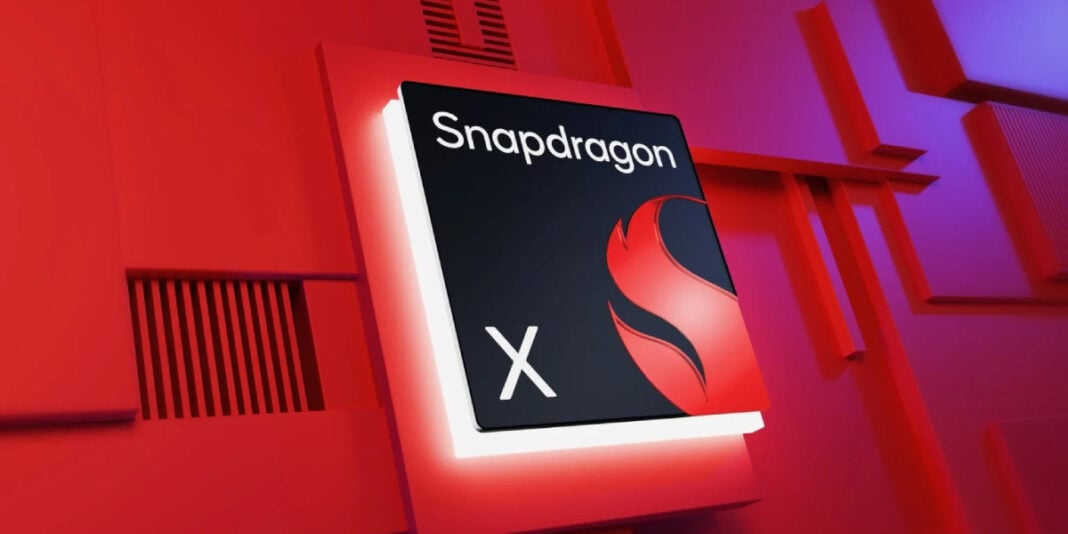
Qualcomm has been actively targeting the Windows on ARM market with its Snapdragon X series chips. The company previously launched the premium X Plus and X Elite SoCs, but now it has a product designed to make Windows on Arm accessible to more users.
At CES 2025, Qualcomm unveiled its latest ARM PC chip, simply named the Snapdragon X. Positioned as a budget-friendly option, it’s designed to power Windows laptops priced around $600. These devices, equipped with features like Copilot+PC, will challenge Intel and AMD’s dominance in the affordable laptop segment.
1. Snapdragon X: The Basics
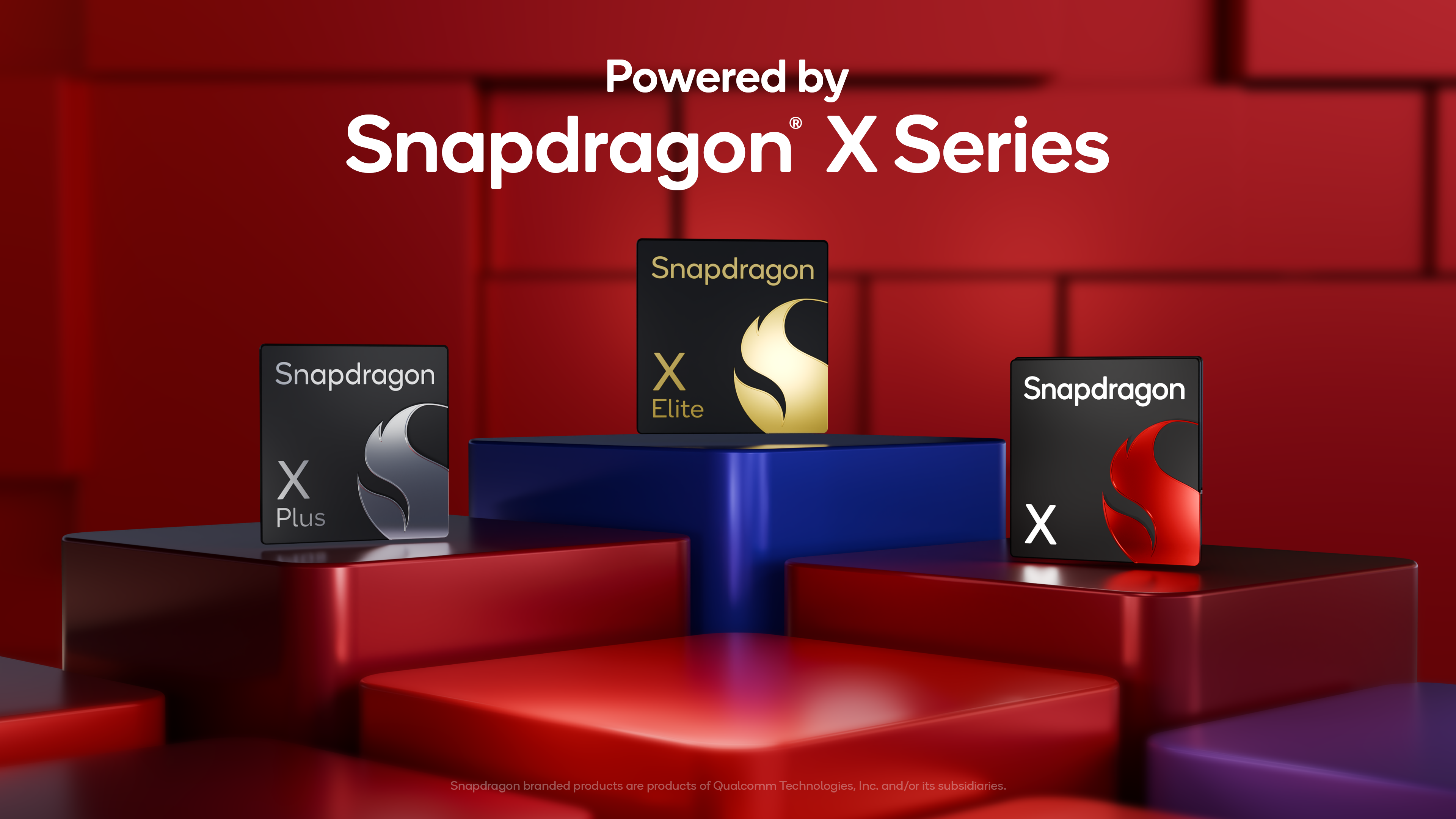
The Snapdragon X is positioned as the entry-level tier in Qualcomm’s growing family of PC processors. It joins the Snapdragon X Plus and Snapdragon X Elite, which cater to higher-end devices.
Unlike its siblings, which boast up to 12 cores and clock speeds exceeding 3GHz, the Snapdragon X features an eight-core design with a maximum clock speed of 3GHz and 30MB of cache. These specifications may not match the raw power of the higher-tier chips, but they align well with the demands of mainstream users.
Built on a 4-nanometer process, the Snapdragon X delivers Qualcomm’s hallmark focus on efficiency. Qualcomm claims the Snapdragon X will outperform Intel’s Core 5 120U in performance-per-watt and battery longevity.
This isn’t the first time Qualcomm has tried to push energy efficiency as a major selling point, but the challenge lies in convincing users that Windows on Arm laptops are now mature enough to be viable alternatives to Intel or AMD-powered machines.
The Snapdragon X is also equipped with a Neural Processing Unit (NPU) capable of 45 TOPS (trillion operations per second).
2. Why Arm Architecture Matters

Qualcomm’s processors rely on Arm architecture, which differentiates them from the x86 processors used by Intel and AMD. This architectural distinction comes with its own set of advantages and trade-offs.
Arm-based chips are generally more power-efficient, which translates to better battery life—a key selling point for budget laptops. However, its main concern is compatibility with the apps.
Windows apps have traditionally been built for x86 processors, so there’s a smaller selection of native ARM apps. To bridge this gap, Qualcomm has been working with Microsoft to expand the number of native Windows-on-Arm applications
Additionally, Qualcomm uses Windows’ Prism emulation layer, which enables x86 software to run on ARM devices. This means you can still use your favorite x86 apps on an ARM machine.
3. The Target Market And Pressure To Peers
The Snapdragon X is targeted at the sub-$600 segment which is a sweet spot for budget-conscious buyers, educational institutions, and professionals who need their first Windows PC or a secondary device.
While Snapdragon X laptops won’t handle heavy workloads like video editing or gaming as efficiently as more expensive machines, they should be more than capable of handling productivity tasks, web browsing, and multimedia consumption.
Acer, Asus, Dell, HP, and Lenovo are expected to lead the charge in rolling out Snapdragon X-based devices. Qualcomm says that 60 laptop designs based on the Snapdragon X series are already in production, and over 100 are expected by 2026.
It’s worth noting that existing Snapdragon-powered laptops have occasionally dipped below the $600 threshold through discounts. As a result, savvy shoppers might find even better deals on older, more powerful models as new devices enter the market.
The Snapdragon X, while new, isn’t dramatically reshaping Qualcomm’s strategy but instead reinforces the company’s commitment to growing its PC presence by lowering the entry point.
Qualcomm’s aggressive push for Arm-based Windows PCs is likely to increase pressure on Intel and AMD. Intel’s Core i3 and AMD’s Ryzen 3 segments have dominated the budget space for years, but neither company has consistently matched the battery efficiency Qualcomm claims to offer. This competition could lead to more aggressive pricing and innovation across the board, which would ultimately benefit the consumers.
4. Looking forward
Despite the Snapdragon X’s promising features and attractive price, Qualcomm faces challenges ahead. The success of these laptops will largely depend on user experience.
Battery life, app compatibility, and overall performance must meet Qualcomm’s marketing claims. Historically, Windows on Arm laptops have struggled to convince users to move away from familiar Intel or AMD devices.
That said, the tide may be turning. With Microsoft increasingly pushing Copilot Plus PCs and AI-driven features, Qualcomm is positioning itself as the go-to chipmaker for AI-capable, power-efficient laptops. If the Snapdragon X lives up to its promises, it could be the tipping point that finally pushes Arm-based Windows laptops into the mainstream.
INFORMATION CREDIT Google
Follow For More : @TESVIPER10
I QUEST ON AND ON 💛 🖤
Please sign in
Login and share