



The Psychology of ‘Loyalty Programs’ – Why We Keep Coming Back

Hello iQOO Questers, Rangers, and Moderators! 🎯
Ever wondered why you keep going back to the same coffee shop, airline, or grocery store just to earn points? 🤔
Loyalty programs aren’t just about rewards – they’re built on deep psychological triggers that keep customers hooked. Let’s break it down! 👇
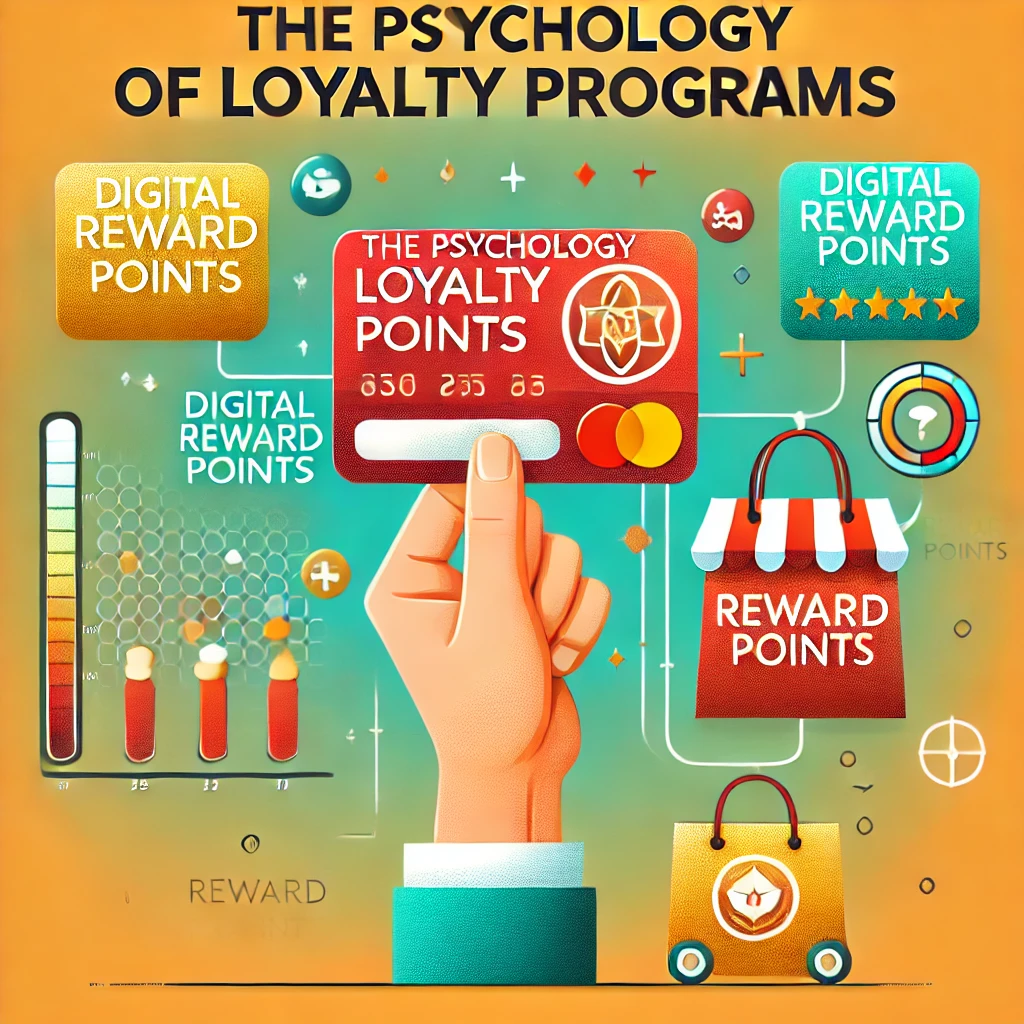
1️⃣ The Science of Rewards – Why Loyalty Programs Work
Loyalty programs tap into powerful psychological effects that make customers feel valued and obligated to return.
🔹 The Endowment Effect – Once you have some points, you feel like you own something valuable, making you want to collect more.
🔹 The Commitment Bias – If you’ve already spent time/money earning rewards, you’re more likely to stick with the same brand.
🔹 Dopamine Triggers – The excitement of unlocking a reward activates dopamine, making loyalty programs feel like a game.
🧠 Example:
Starbucks Rewards makes customers pre-load money into their app. Once the money is in, you’re psychologically more likely to use Starbucks than try a competitor.
2️⃣ The Power of ‘Near Wins’ – Keeping You Hooked
Loyalty programs are designed to make you feel like you’re almost winning, encouraging repeat purchases.
🔹 Progress Illusion – Brands often start you with some points to make it feel like you're already on your way.
🔹 Tier-Based Loyalty – Many programs (e.g., airlines) use Gold, Platinum, Diamond levels, making you chase exclusive perks.
🔹 Limited-Time Offers – Expiring points create urgency, making you spend more to redeem them before they disappear.
🚀 Example:
Airlines use elite status tiers (e.g., Silver → Gold → Platinum) so customers keep flying with the same airline to reach the next level.
3️⃣ Personalization – The Secret Sauce of Loyalty Programs
The best loyalty programs don’t just reward purchases; they make customers feel special.
🔹 Customized Offers – Brands track your behavior and offer personalized discounts or birthday gifts.
🔹 Exclusive Access – VIP programs make customers feel like they’re part of an elite club (e.g., Amazon Prime).
🔹 Gamification – Earning badges, streaks, or bonus points makes the experience more interactive.
💡 Example:
Nike’s ‘NikePlus’ loyalty program offers exclusive sneakers and training content, making customers feel like they’re part of a sports community.
4️⃣ The Business Side – Why Brands Love Loyalty Programs
Loyalty programs aren’t just about making customers happy; they’re a business strategy to maximize profits.
🔹 Higher Retention = More Revenue – Acquiring a new customer is 5x more expensive than keeping an existing one.
🔹 Data Collection – Brands gather purchase behavior to create targeted marketing and upsell products.
🔹 Customer Lock-In – The more points you accumulate, the harder it is to switch brands.
📊 Example:
Sephora’s Beauty Insider program gives customers birthday gifts and exclusive sales access, making them feel valued while ensuring they keep shopping at Sephora.
5️⃣ The Future of Loyalty Programs – What’s Next?
Brands are evolving loyalty programs beyond just points and discounts. Here’s where we’re headed:
🔹 Subscription-Based Loyalty – Programs like Amazon Prime charge for VIP benefits instead of giving free rewards.
🔹 Web3 & Blockchain – Some brands are exploring NFT-based rewards that offer exclusive digital ownership.
🔹 Community-Driven Loyalty – Instead of just spending, brands might reward engagement (e.g., Nike rewarding users for running in their app).
🔮 Prediction:
In the future, AI-powered loyalty programs will create hyper-personalized experiences, knowing what you want before you do!
💭 Final Thoughts
Loyalty programs aren’t just about discounts – they’re psychological traps designed to keep customers hooked! But when done right, they create win-win relationships between brands and consumers.
Day 181 complete of the 365-Day Daily Thread Challenge. 🌟
Have a wonderful day ahead,
Sahil Singh
(Best of iQOO 2024 Winner)
What’s your favorite loyalty program? Do you think they are worth it? Let’s discuss! ⬇️
Please sign in
Login and share