



























The Rise of Voice Assistants: How They Are Changing Our Daily Lives

Voice assistants have become a part of our daily routines, making tasks easier and faster. From setting alarms to controlling smart homes, these AI-powered assistants are transforming the way we interact with technology. But how do they work, and what makes them so popular?
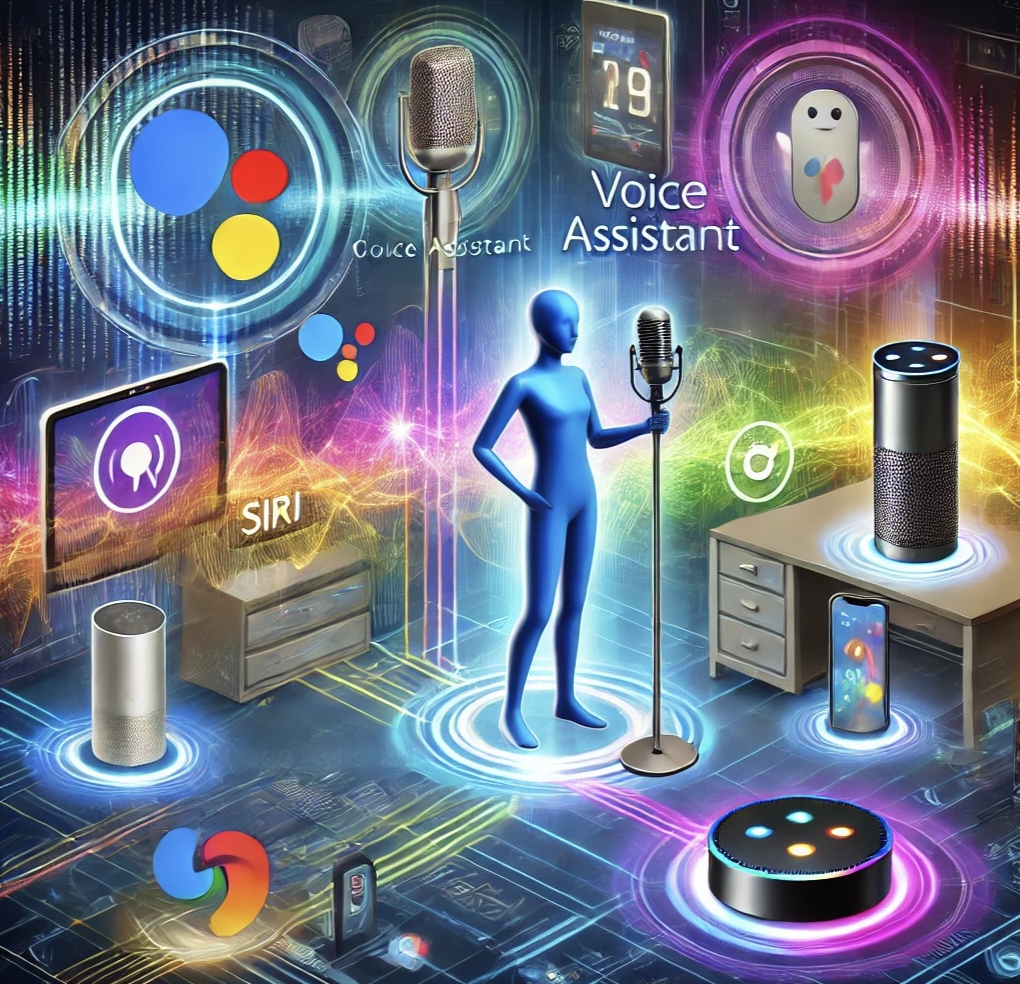
What Are Voice Assistants?
Voice assistants are AI-based programs that understand spoken commands and perform tasks for users. Popular examples include:
Google Assistant (Android devices, smart speakers)
Apple Siri (iPhones, iPads, Macs)
Amazon Alexa (Echo devices, smart homes)
Microsoft Cortana (Windows devices, enterprise use)
These assistants use natural language processing (NLP) to understand and respond to user commands.
How Voice Assistants Are Changing Our Lives
1. Hands-Free Convenience
You can send messages, check the weather, or search the internet without touching your phone—just by speaking.
2. Smart Home Control
Voice assistants can control smart devices like lights, fans, and thermostats, making homes more efficient and comfortable.
3. Better Accessibility
People with disabilities benefit greatly from voice commands, as they make it easier to use devices without physical effort.
4. Faster Information Access
Need quick answers? Voice assistants provide instant information, helping users save time.
5. Personalized Assistance
AI algorithms learn user preferences over time, offering customized recommendations for music, news, and even shopping.
The Future of Voice Assistants
With advancements in AI, voice assistants will become even smarter. Future improvements may include:
More accurate voice recognition for different accents and languages.
Deeper integration with apps and services.
Better privacy features to protect user data.
Final Thoughts
Voice assistants are no longer just a luxury—they are becoming essential tools in our tech-driven world. As AI continues to evolve, these assistants will only get better, making life easier for everyone.
Happy Questing

Please sign in
Login and share