



























The Red Panda Rescue: How Darjeeling Zoo Is Protecting the Himalayas’ Rarest

With its fiery red coat, masked face, and ringed tail, the red panda may seem like a creature out of a storybook. Yet, in the wilds of the Himalayas, it is a symbol of an ecosystem in peril. The Padmaja Naidu Himalayan Zoological Park has been tackling this crisis from the front through its conservation breeding programmes.
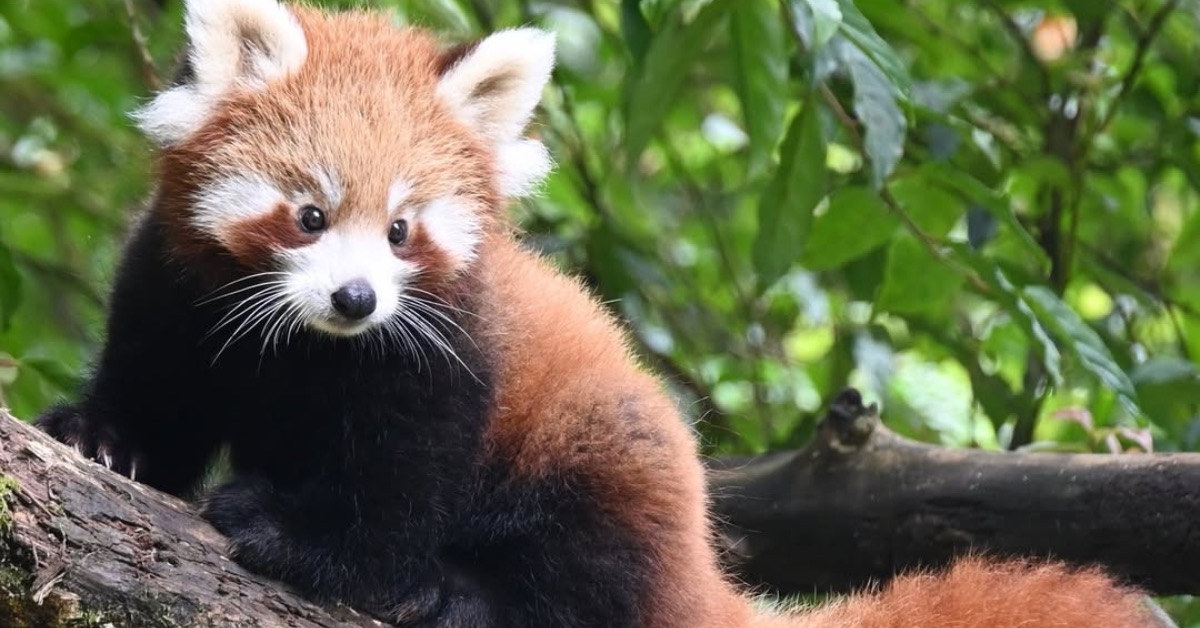
Remember Master Shifu from Kung Fu Panda, Po’s wise teacher who helps him on his journey and, in pop culture, has immortalised the words ‘inner peace’?
Did you know his character is based on an animal that many call ‘the original panda’? With a more fox or raccoon-like appearance, the red panda was first described in 1825, decades before the discovery of the black-and-white roly-poly bear that comes to mind when we think of pandas.
So, what is the red panda anyway?
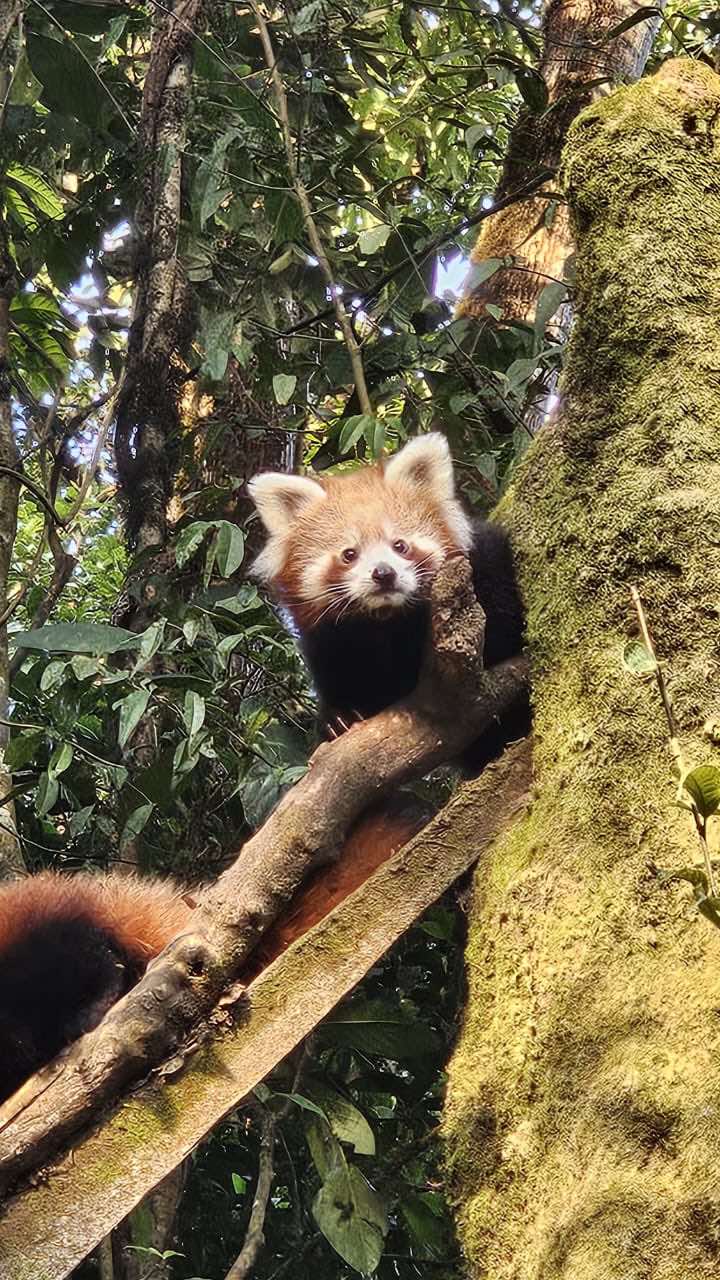
In the world of mammals, the red panda is a captivating enigma, the sole survivor of the Ailurus family (derived from the Greek word “Ailurus” meaning “cat”). Characterised by its lustrous red fur, ringed tail, and masked face, this unique creature belongs to the Carnivora order yet primarily dines on bamboo leaves.
Once widespread across Eurasia, red pandas now cling to a fragmented existence in the Eastern Himalayas.
Classified as ‘Endangered‘ by the International Union for Conservation of Nature (IUCN), facing a multitude of threats, several factors have contributed to their decline — habitat loss caused by human activities, a dip in genetic diversity that makes them prone to more illnesses, predators like leopards and feral dogs, and climate change.
Darjeeling Zoo: A sanctuary in the hills

While a zoo, or zoological park, is often seen as an institute dedicated to exhibiting animals, it serves a much larger purpose — to study animals in captivity and through research and planning, make conservation efforts to aid their survival.
The Darjeeling Zoo is no exception, and in India, is the first zoo to have a genetic biobank facility.
Presently we have 11 individuals in our facility,” Dr Holeyachi informs. “Other than that we are taking up conservation breeding of various Himalayan herbivores and pheasants.”
But it is the zoo’s red panda conservation programme that has grabbed most international attention.
Spotting a red panda
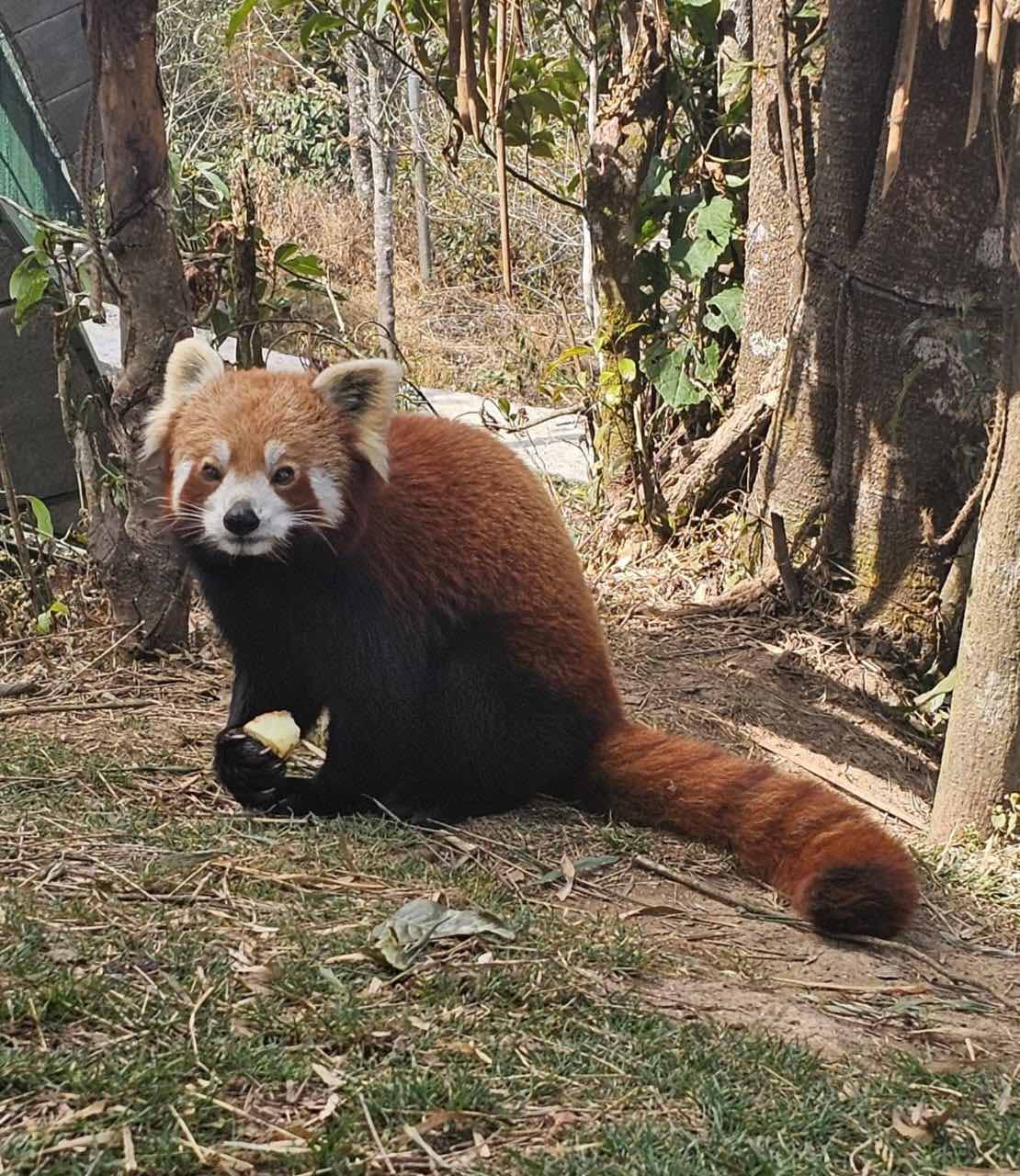
Spotting a red panda in the wild is a privilege. These shy creatures inhabit dense forests, favouring trees like oak, rhododendron, and magnolia.
“It is very rare that you’ll see a panda in the wild,” says Moumita Chakraborty, who has spent a little over three years researching red panda conservation and their habitats.
She explains that habitat loss remains among the most important contributors to the decline in the red panda population. “They are arboreal creatures and would mostly nap on trees. But you can only find them in regions that meet certain criteria is where you can find them,” she says.
“They prefer slopey hills with trees like the magnolia and of course, bamboo. Most of their diet consists of bamboo leaves. And for pandas to choose their habitats, a nearby water source remains key,” she adds.
Guardians of the forest
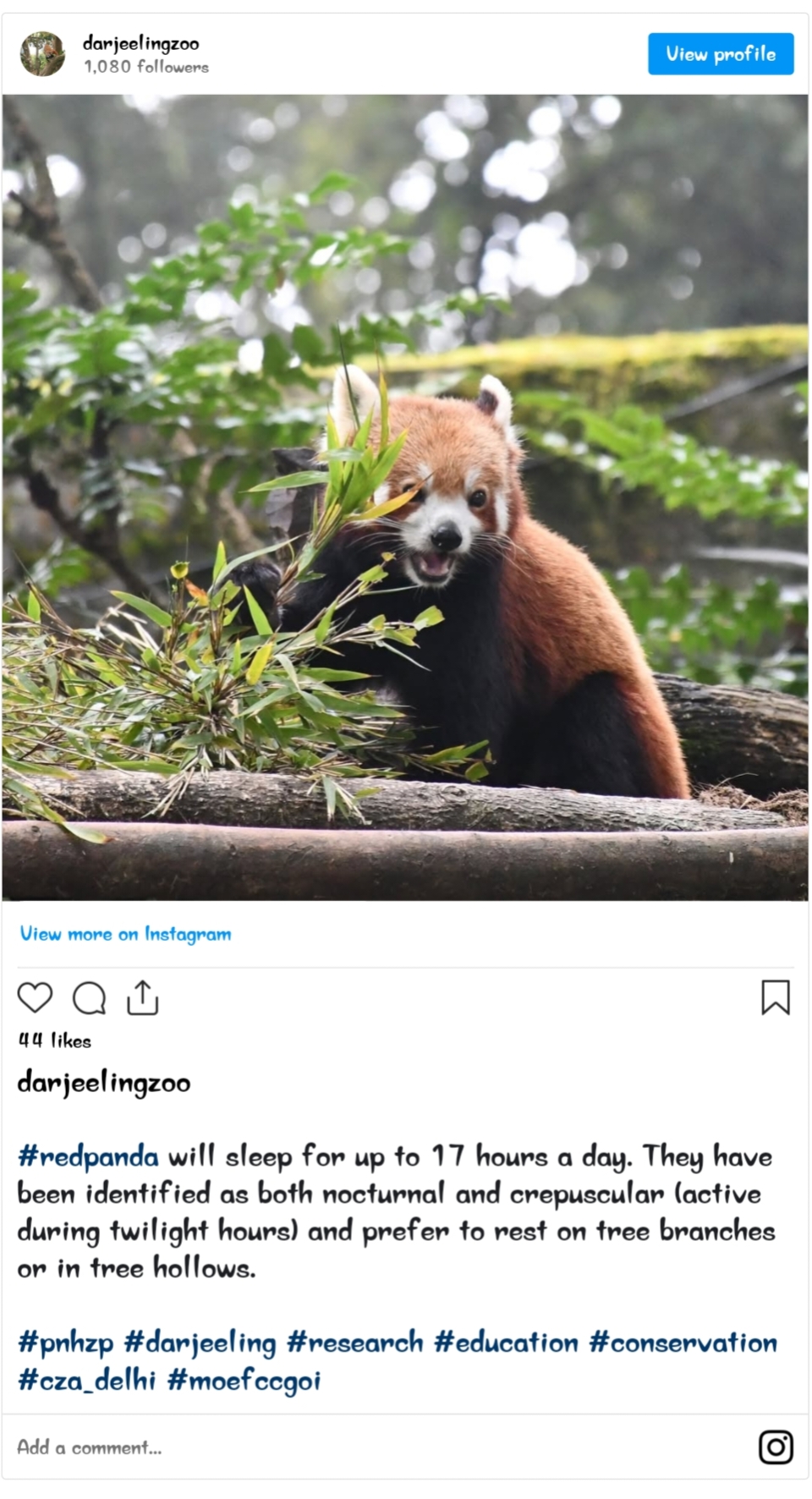
Vishwanath Pratap, IFS, is in charge of three protected areas as the Darjeeling DFO (Wildlife Division). The Senchal Wildlife Sanctuary and Singalila National Park are home to 40-odd red pandas.
“Singalila is a dense, beautiful forest,” he says, adding, “It remains mostly untouched, even without our intervention.”
“We have installed a lot of camps, towers, all along the international boundary (with Nepal), and in some places deep inside the forest,” the Darjeeling (Wildlife) DFO explains. “We have 24×7 manning there. Even if it is very cold, even if it is raining, it is always manned.”
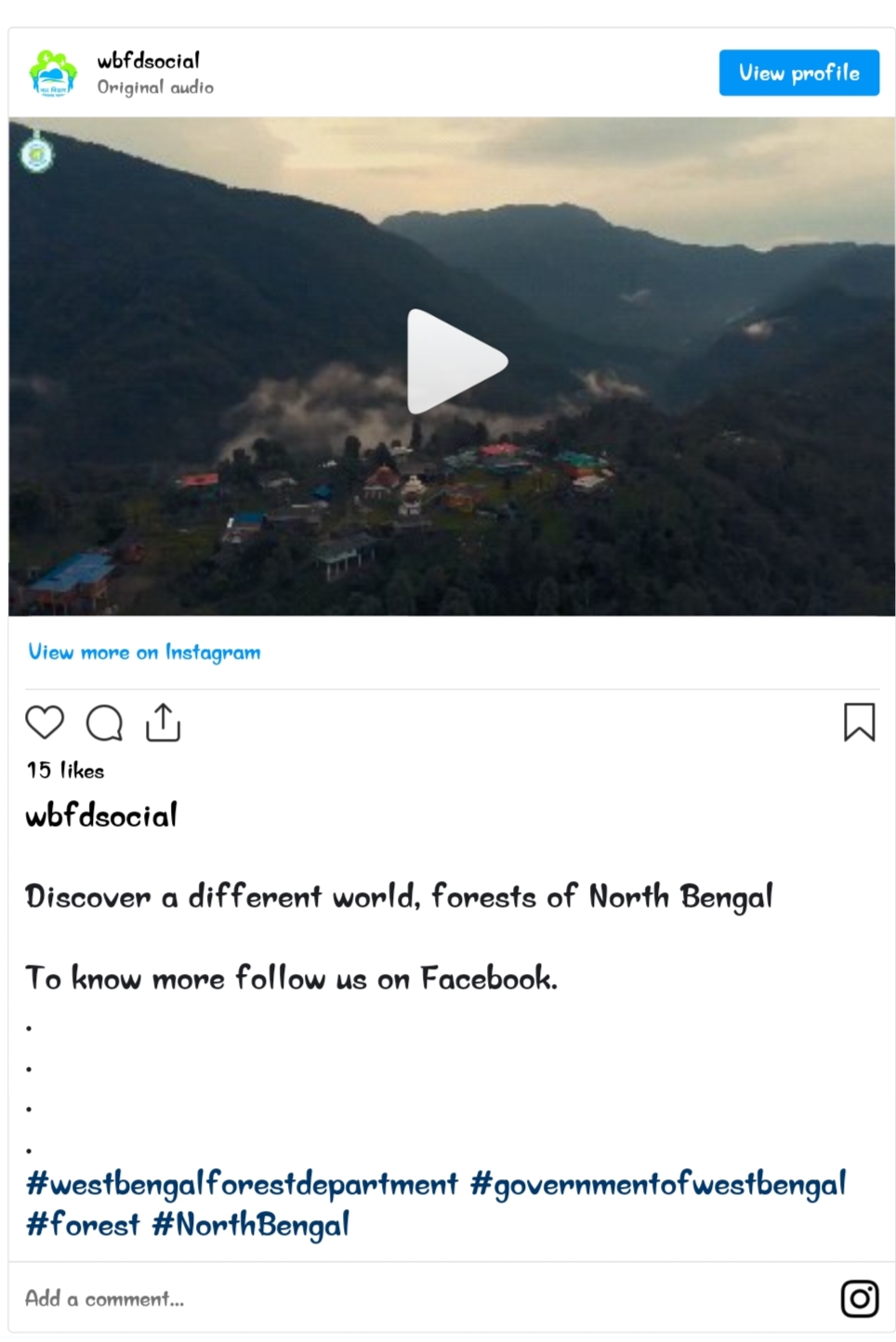
To prevent illegal activities like poaching, the forest rangers employ their local intelligence networks and most of the patrolling is done by foot. “The motorable road is only along the international boundary,” says Vishwanath.
“In places like Tonglu and Dhotre, red pandas sightings are reported now and then,” says J Sheikh Fareed, DFO (Darjeeling Territorial Division).
Tonglu and Dhotrey fall under the Singalila division and are popular tourist attractions, drawing hikers from all parts of the country. This region is marked by several small hamlets, criss-crossing the borders of Nepal and India.
“Conservation efforts are done with the help of locals,” Fareed explains. “People are very cooperative here. Through 81 Giant Forest Management Committees, we work extensively with them to conserve the forests,” he adds.
The Darjeeling Division DFO also points out that eco-tourism has, of late, become an important conservation strategy for the Forest Department.
Rewilding red pandas
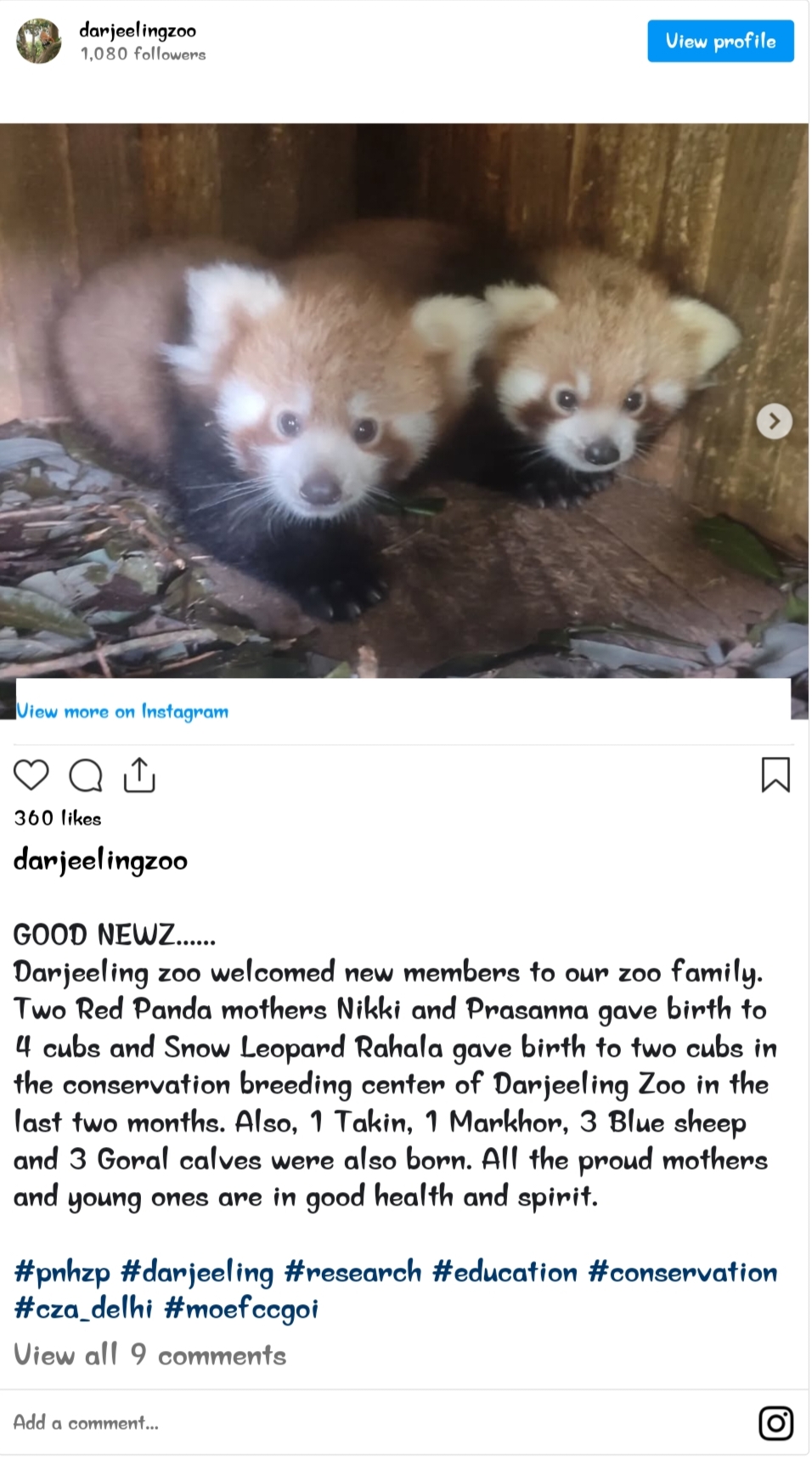
Aligned with the Darjeeling Forest Division’s commitment to habitat protection, the Padmaja Naidu Zoo plays a crucial role in research, breeding, and rewilding.
“The focus is not merely on rewilding, but on rewilding robust and genetically diverse populations. To achieve this, meticulous studies are conducted on the health and genetic fitness of the red pandas,” Vishwanath informs.
“We begin by carefully selecting individuals based on their pedigree and genetic diversity. Then, we implement a series of interventions to minimise the impact of human imprinting, ensuring they can adapt and survive in the wild,” Dr Holeyachi says.
Biobank and genetic research
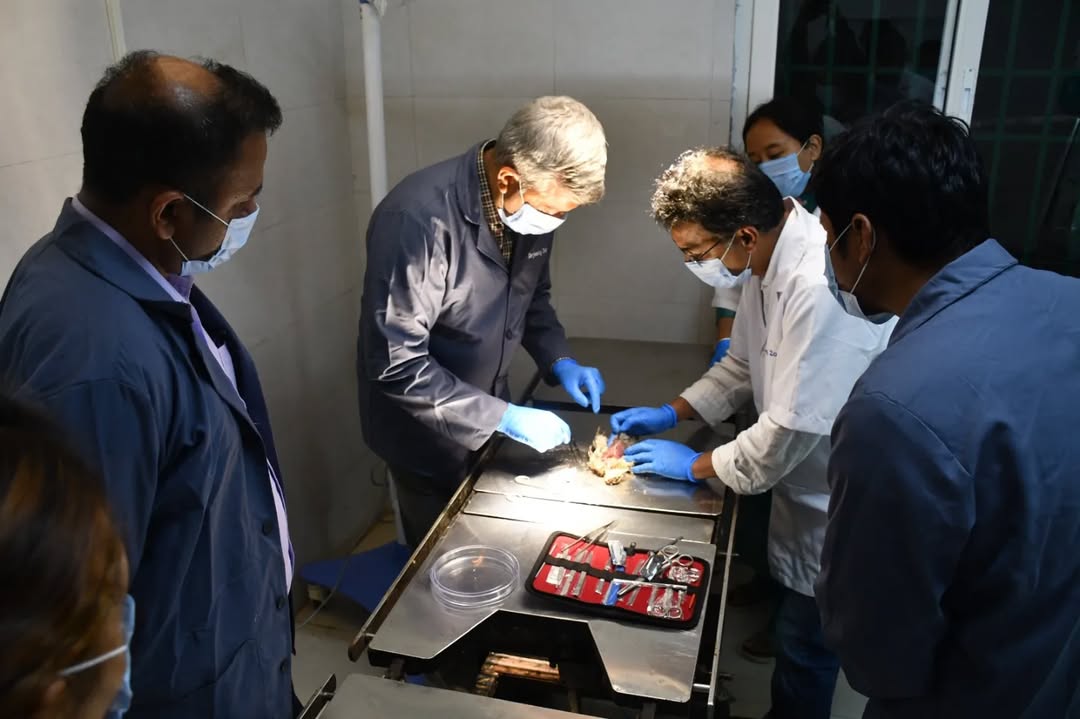
Barring externalities such as predators and poaching, an internal factor that has also contributed to the decline in red panda numbers is their nature. Red pandas are solitary creatures and prone to gene-related diseases due to inbreeding.
“Genetic diversity is the fundamental building block of a population, which means that the health of the population is dictated by it,” says Dr Karthikeyan Vasudevan, chief scientist for LaCONES (Laboratory for the Conservation of Endangered Species), an annexure of the Centre for Cellular and Molecular Biology (CCMB).
“It is like a Swiss army knife. You can do many things with it. If you have many tools in your genetic constitution, then you have a better ability to deal with diseases, anything that might happen to the population due to some infection and sudden climatic and natural disaster,” he adds.
And this is where the zoo’s genetic biobank comes into play. “Whatever individuals we are releasing, proper genetic analysis is being done through scientific institutions like CCMB. We release individuals with high genetic diversity and heterozygosity. That contributes to the genetic makeup of the population,” says Dr Holeyachi.
“Genetic resources like DNA, RNA, sperms, oocytes, or any other bodily tissues are valuable and can be biobanked. Preserved in liquid nitrogen at -196 deg C, they can remain alive for a very long time,” says Dr Vasudevan.
A holistic approach
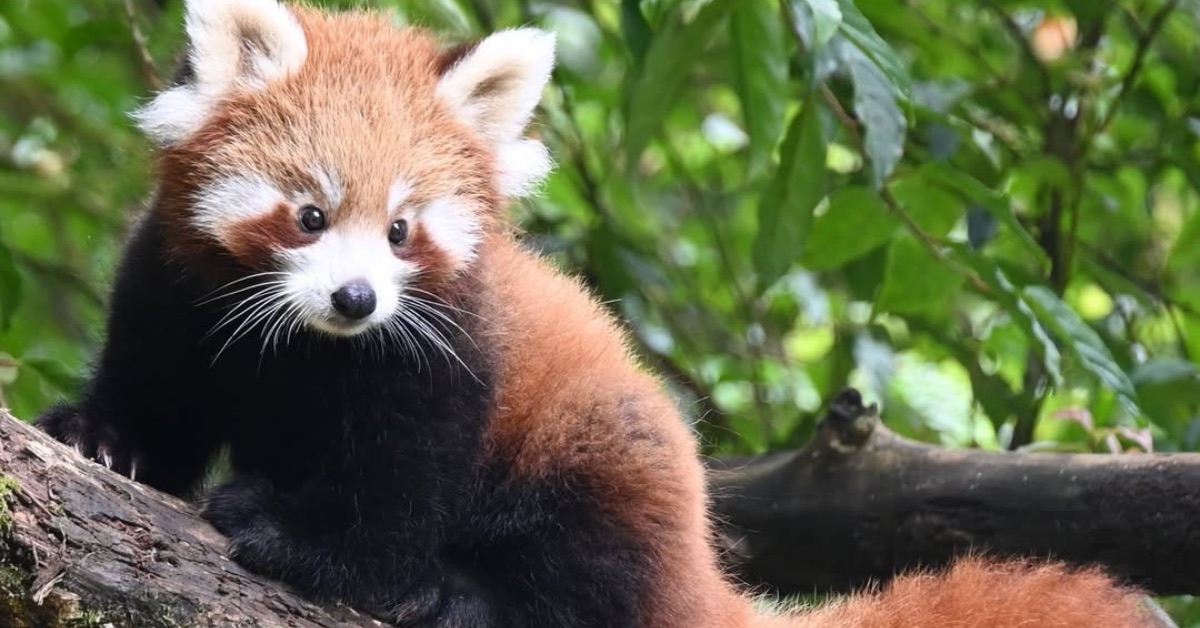
All animals have a generation time — the period from birth to when they reach sexual maturity and produce their offspring. For red pandas, this is 18-20 months. But in the wild, numerous constraints impact this process: high mortality rates among the young, challenges in finding mates, potential food shortages after pregnancy, and predation.
Captive breeding programmes aim to mitigate these challenges by providing a controlled environment with adequate food and protection from predators, and by carefully selecting breeding pairs to maximise genetic diversity.
Source;Thebetterindia.com
Please like and follow your gaming and all knowledge quester @Kvkartikji04
Please sign in
Login and share