



























Siberian Birds :- Had this idea by MAHAKUMBH

Introduction
As i belong from pyaragraj i see so many siberian birds at sangam and here are some words for them
Siberia, one of the coldest regions on Earth, is home to a wide range of bird species that have evolved to survive the extreme conditions.
The birds of Siberia are known for their incredible migratory patterns and unique adaptations to harsh climates.
These birds migrate to warmer climates in the winter, traveling across Europe, Asia, and Africa. Common migratory species include the Siberian crane, Arctic terns, and various species of geese and ducks.
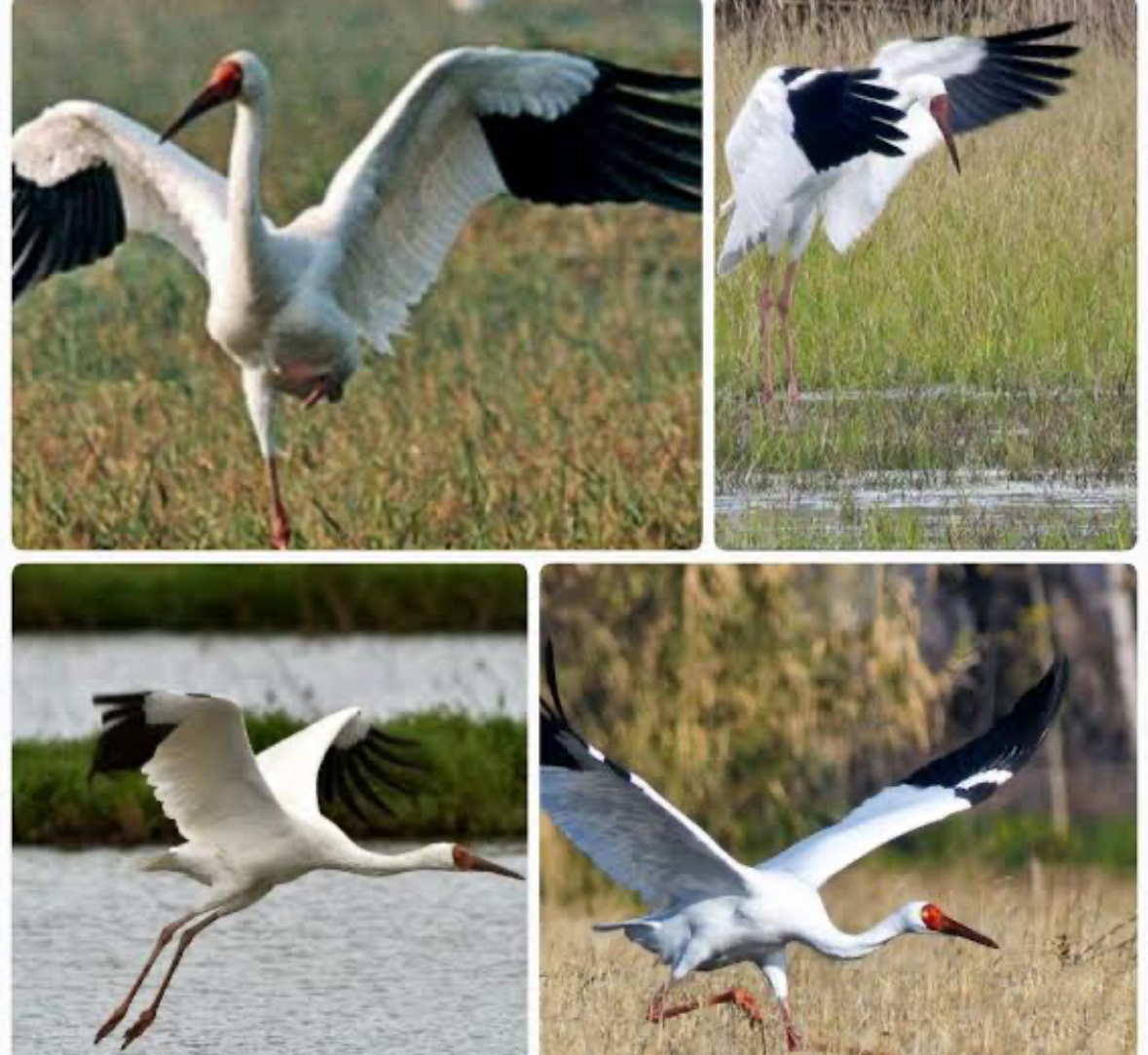
Siberian Crane
One of the most iconic migratory birds, Siberian cranes travel from Siberia to India, often covering more than 4,000 miles. Their journey is fraught with dangers, including hunting and habitat loss, but they continue to return to their breeding grounds in the Russian tundra.
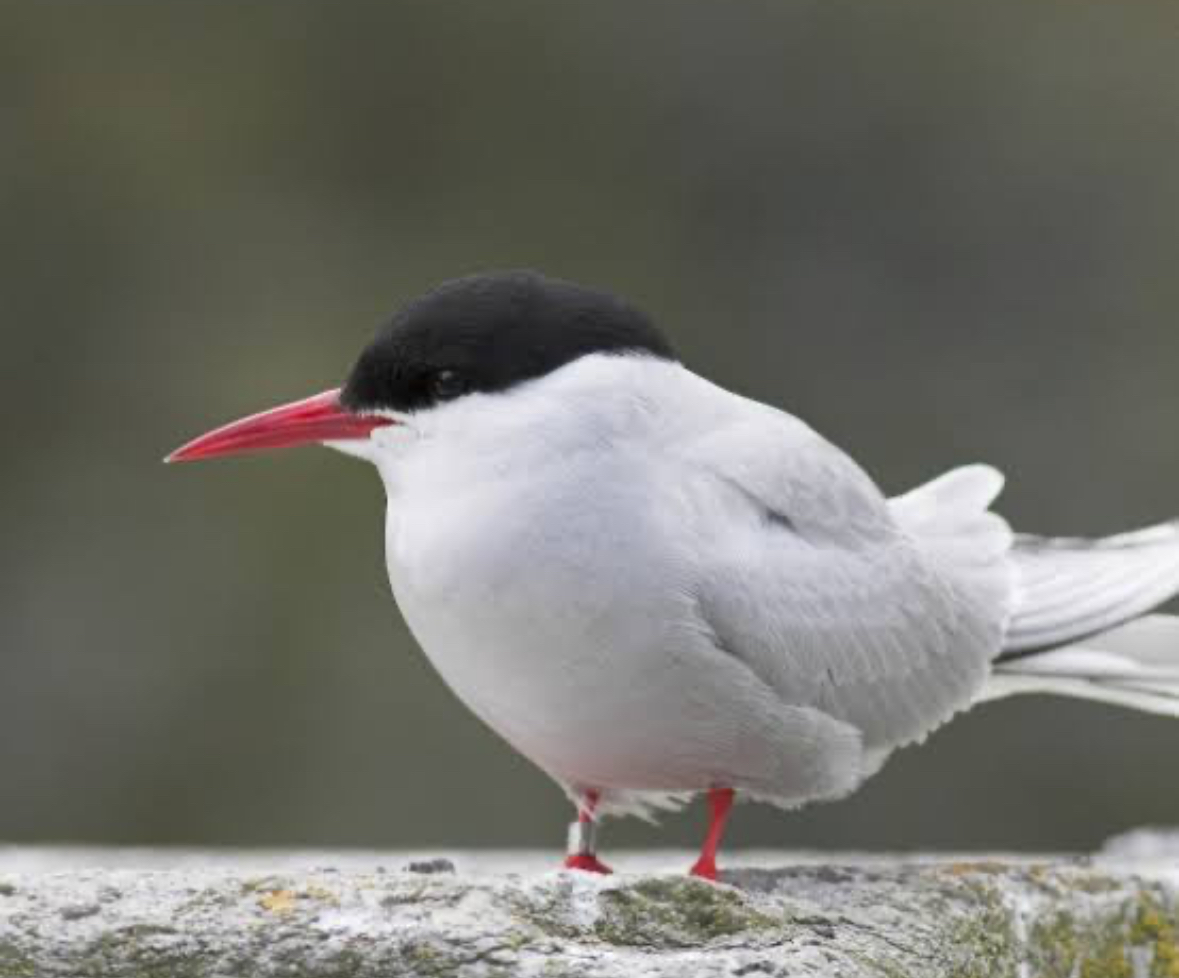
Artic tern
Known for the longest migration of any bird, Arctic terns breed in Siberia during the short summer and migrate all the way to the Antarctic for the winter, covering up to 20,000 kilometers annually.
While many Siberian birds migrate, others are adapted to the extreme cold and remain in the region year-round. These birds are equipped with specialized features that help them survive the long, frigid winters.
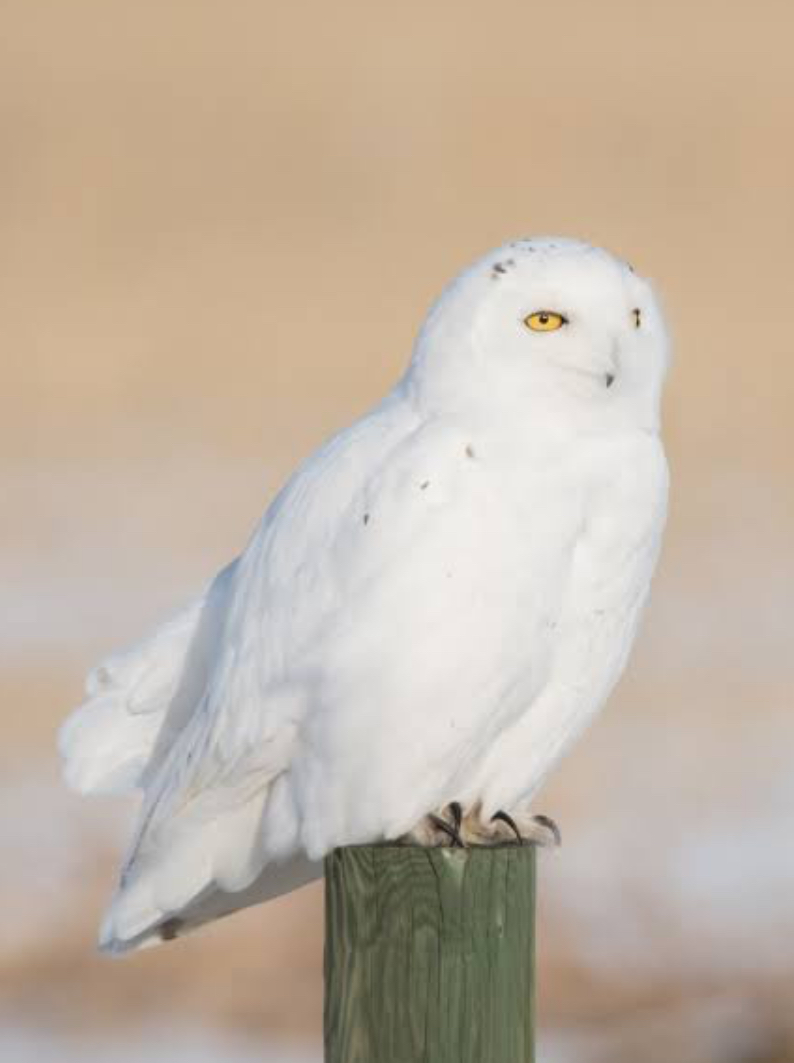
Snowy owl
The snowy owl is a well-known resident of Siberian tundra, with its white feathers providing excellent camouflage in snowy environments. They have adapted to the cold by growing thicker feathers, and their large body size helps conserve heat.
Conclusion
The world of Siberian birds is a dynamic blend of endurance, migration, and survival. Their stories highlight the delicate balance of nature and the importance of preserving their habitats for generations to come.
Follow and like for more threads 💛
Please sign in
Login and share