












5 reasons you shouldn't buy a dual-mode monitor

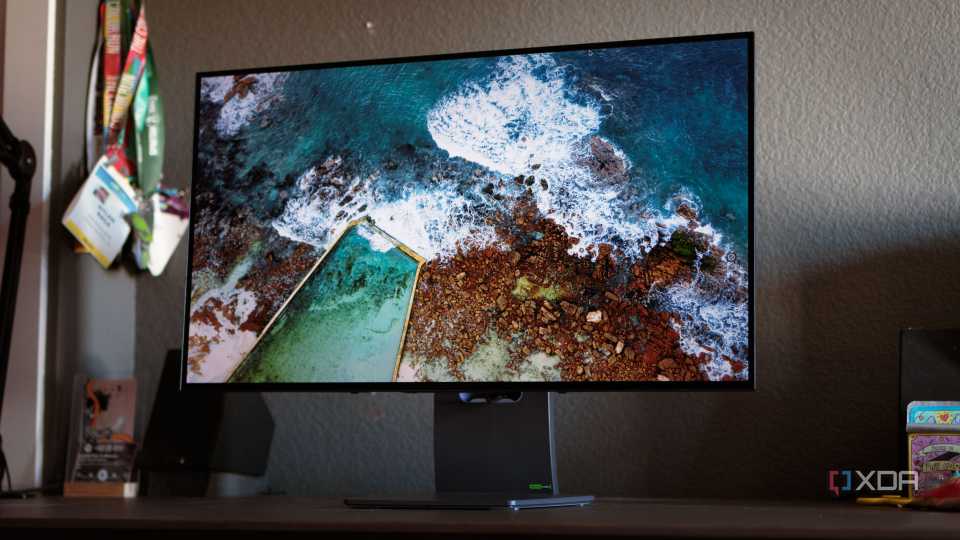
Dual-mode monitors, i.e. displays that can change their refresh rate on the fly, have been around for some time now. Monitors such as the LG UltraGear 32GS95UE with 4K 240Hz and 1080 480Hz modes allow you to switch between a resolution focused on image quality, and one focused on motion clarity.
This "best of both worlds" sales pitch might sound enticing on paper, but before you take out your wallet, hear me out.
1) The lower resolution comes with compromises
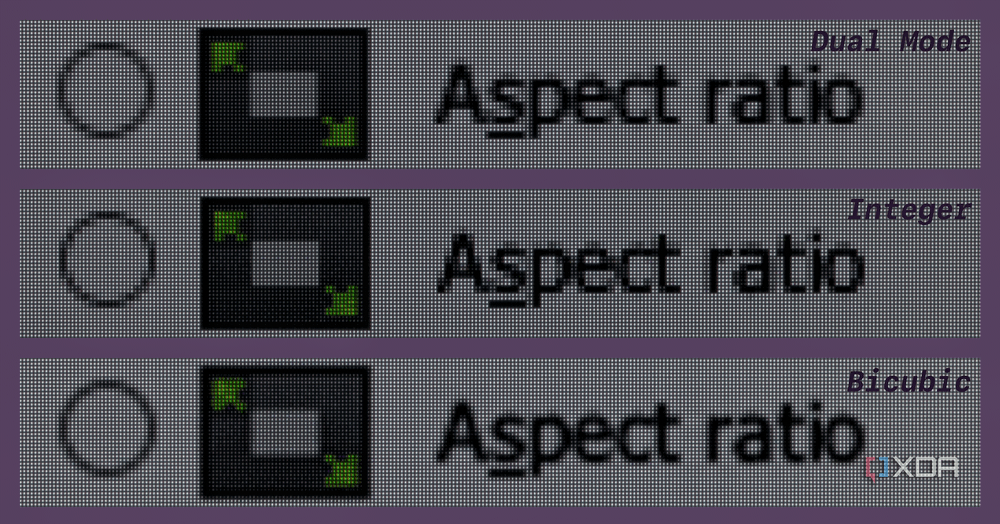
While you can find dual-mode monitors featuring 4K 180Hz and 1080p 360Hz modes too, most models you'll come across are the 4K 240Hz and 1080p 480Hz type.
These models allow gamers to use a high-refresh-rate and a higher-refresh-rate mode, depending on the type of game or creative application they're running.
However, after experiencing the crisp image quality of 4K on a 4K display, switching to 1080p can come as a shock.
2) 1440p 240Hz monitors exist
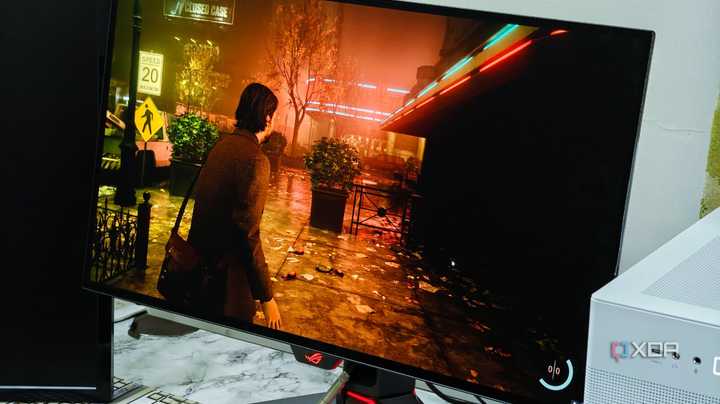
If the whole argument behind dual-mode monitors is to enjoy both high resolutions and high refresh rates, then a trusted 1440p 240Hz monitor already makes that happen. This sweet spot ensures you neither need a high-end GPU to power 4K nor need to suffer poor image quality at 1080p.
The 240Hz refresh rate is incredibly fast and smooth for both single-player games as well as competitive multiplayer titles.
3 ) Your GPU doesn't need the help
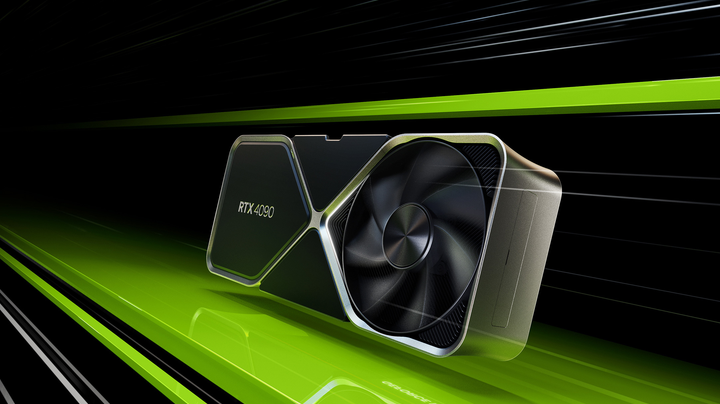
If you're someone considering a premium dual-mode monitor, I'm guessing you already have a high-end graphics card capable of 4K gaming. Your 4K monitor doesn't need a secondary 1080p 480Hz mode to help the GPU pump out more framerates
4) The prices aren't interesting enough
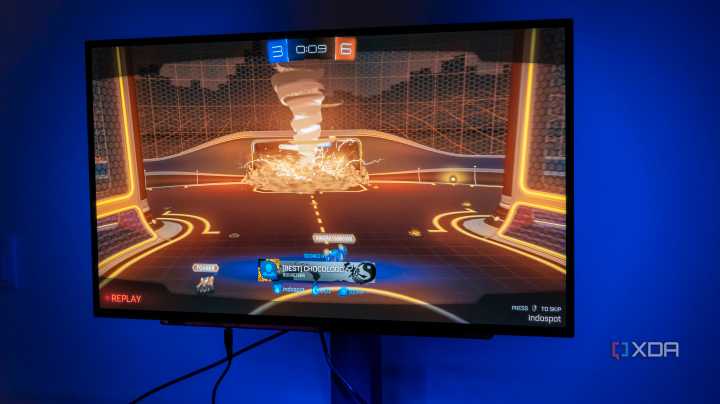
For many gamers, the best monitor is often within the $300-$500 price range, hence considering 4K 240Hz/1080p 480Hz monitors for a grand is out of the question.
Until dual-mode monitors get considerably cheaper, standard high-end monitors will continue to attract more attention, and consequently, more consumers.
5) You probably have a strong preference
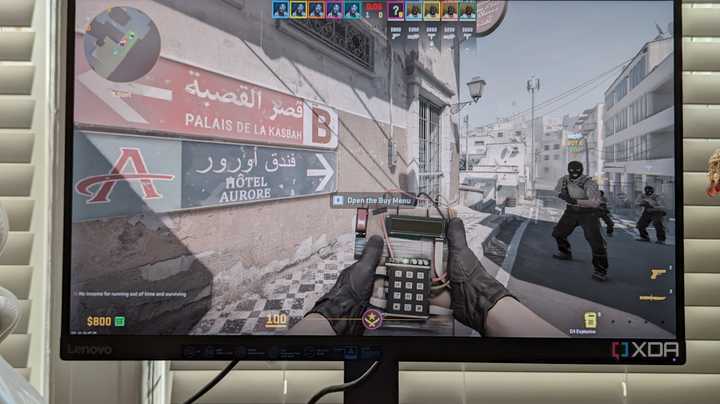
Superior image quality or high framerates
The number of people who want their 4K high-refresh-rate screen to double up as a perfect 1080p esports champ isn't that big. Most people have a strong preference for one camp — silky-smooth images or blazing-fast motion. They pick a lane and stick to it instead of looking for a dual-purpose monitor.
Source - XDA
Signing off
@iQOO Connect @parakram_h @NITIN @JStreetS @Aojesh

Please sign in
Login and share