




























Metaverse & Extended Reality (XR) – A Detailed Overview

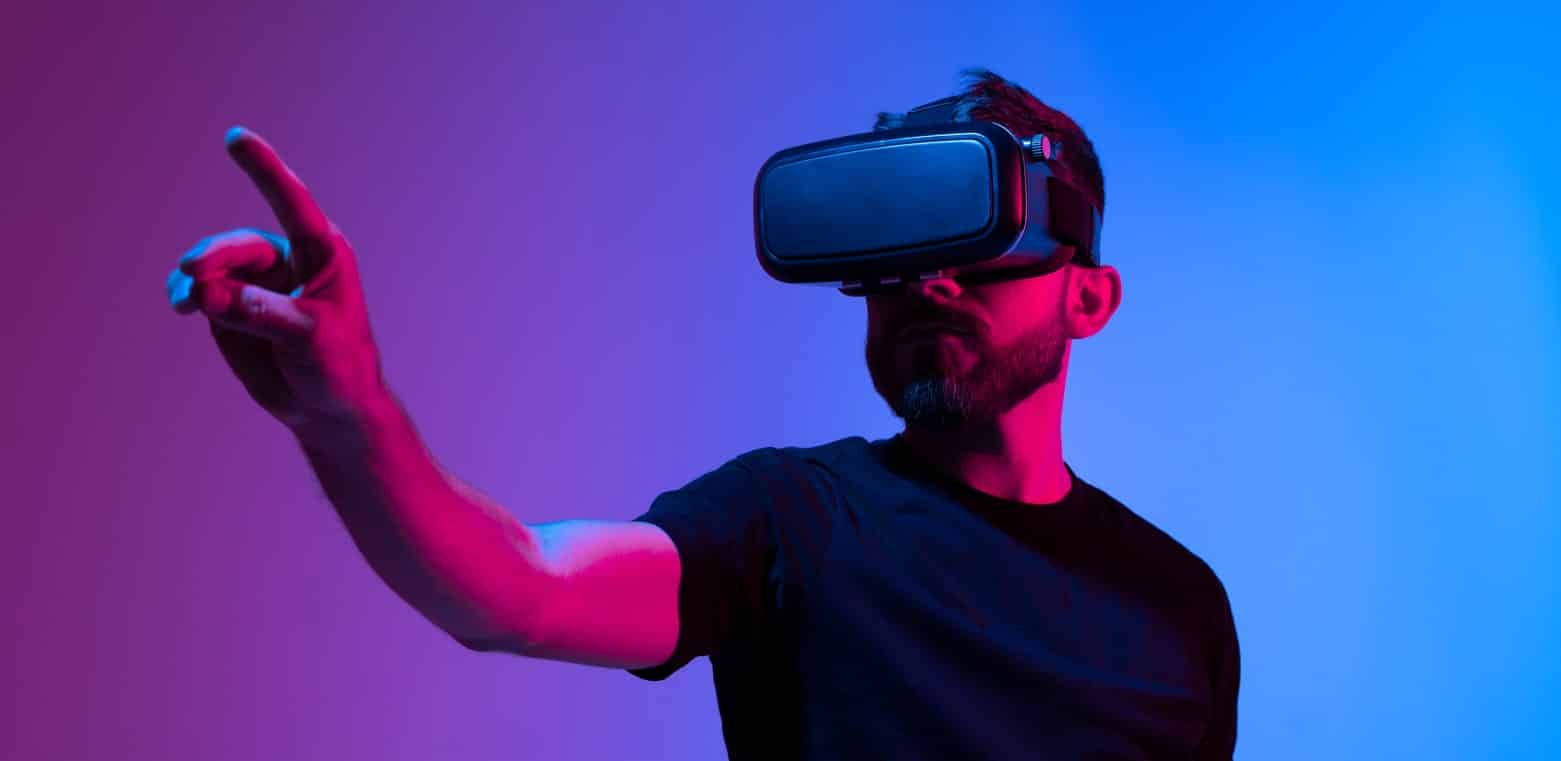
The Metaverse and Extended Reality (XR) are shaping the future of digital interaction by blending the physical and virtual worlds. These technologies are transforming gaming, social networking, business, and even education.
The Metaverse is a collective virtual space where people can interact, work, and play using digital avatars. It is built using Virtual Reality (VR), Augmented Reality (AR), blockchain, and artificial intelligence (AI).
Key Features of the Metaverse:
- Persistent & Shared: Exists continuously, even when users log off.
- Immersive & Interactive: Uses VR/AR to create a life-like experience.
- Decentralized Economy: Uses blockchain for digital assets and virtual transactions.
- Social & Collaborative: Users can connect, trade, and attend virtual events.
- Interoperability: Virtual items (e.g., NFTs) can be used across different platforms.
Major Companies Building the Metaverse:
- Meta (Facebook): Developing Horizon Worlds, VR headsets (Oculus).
- Microsoft: Metaverse solutions for business (Mesh for Teams).
- Google & Apple: Investing in AR/VR technologies.
- Decentraland & The Sandbox: Blockchain-based virtual worlds where users buy virtual land and assets as NFTs.
2. What is Extended Reality (XR)?
Extended Reality (XR) is an umbrella term for Virtual Reality (VR), Augmented Reality (AR), and Mixed Reality (MR). It enhances real-world experiences or creates fully immersive digital environments.
🔹 Virtual Reality (VR)
- Fully immersive digital environments that replace the real world.
- Requires VR headsets (e.g., Oculus Quest, HTC Vive, PlayStation VR).
- Used for gaming, training simulations, virtual meetings, and therapy.
🔹 Augmented Reality (AR)
- Enhances the real world by overlaying digital elements.
- Used in smartphones, AR glasses (e.g., Google Lens, Apple Vision Pro).
- Applications include gaming (Pokémon GO), navigation, and retail (virtual try-ons).
🔹 Mixed Reality (MR)
- Combines real and virtual worlds, allowing real-time interaction between physical and digital objects.
- Used in engineering, education, and medical training (e.g., Microsoft's HoloLens).
3. Key Technologies Powering the Metaverse & XR
🔸 Blockchain & NFTs
- Enables digital ownership of assets in the Metaverse.
- NFTs (Non-Fungible Tokens) allow users to own virtual land, avatars, and items.
- Example: Decentraland and The Sandbox sell virtual real estate as NFTs.
🔸 Artificial Intelligence (AI)
- Powers realistic avatars, NPCs (non-playable characters), and virtual assistants.
- Enhances speech recognition and facial tracking for better user interactions.
🔸 Cloud Computing & Edge Computing
- Enables real-time rendering of high-quality VR/AR graphics without requiring expensive hardware.
🔸 5G & Internet Infrastructure
- Provides low-latency connections for real-time interactions in VR/AR.
4. Applications of the Metaverse & XR
🔹 Gaming & Entertainment
- Metaverse gaming: Roblox, Fortnite, and VRChat allow players to interact in virtual worlds.
- VR-based gaming experiences like Half-Life: Alyx and Beat Saber.
- Virtual concerts: Travis Scott and Ariana Grande performed in Fortnite’s Metaverse.
🔹 Business & Remote Work
- Virtual offices & meetings: Microsoft Mesh enables remote collaboration in 3D.
- Digital twin technology: Companies create virtual replicas of products for testing.
- Virtual real estate is being sold for millions in Decentraland.
🔹 Education & Training
- Virtual classrooms for online learning (Meta’s VR education platform).
- Medical training: Surgeons practice procedures in VR simulations.
- Corporate training: Walmart and other companies train employees in VR environments.
🔹 Healthcare & Therapy
- VR for mental health: Used in treating PTSD, phobias, and anxiety.
- AR for surgery: Doctors use holographic overlays for precision operations.
- Remote patient monitoring using XR-assisted tools.
🔹 Retail & E-Commerce
- Virtual try-ons: AR apps let customers try clothes, makeup, and furniture before purchasing.
- Virtual showrooms: Car brands like BMW and Tesla use VR for vehicle previews.
🔹 Tourism & Real Estate
- Virtual travel experiences to visit locations in VR (e.g., Google Earth VR).
- Real estate agents use VR for virtual home tours.
5. Challenges & Future of the Metaverse & XR
Challenges:
- Hardware Limitations: VR/AR headsets are expensive and not widely adopted.
- Privacy & Security Risks: Data collection in XR environments raises concerns.
- Regulation & Ethics: Issues like virtual property rights, identity theft, and online harassment need policies.
- Interoperability: Different Metaverse platforms lack standardized cross-platform compatibility.
Future Developments:
- Apple Vision Pro & Next-Gen AR Glasses – Expected to push AR mainstream.
- More Affordable VR Headsets – Expanding accessibility for everyday users.
- AI-Powered Virtual Assistants & NPCs – More realistic and interactive experiences.
- Advanced Haptic Feedback & Neural Interfaces – Immersive sensations (touch, smell) in the Metaverse.
6. Conclusion
The Metaverse and XR are set to redefine digital interactions, work, and entertainment. While still evolving, these technologies promise a more immersive and interconnected digital future. Companies, developers, and users are shaping the way we will interact in virtual spaces.
😊
Thank you
Your Qool Quester
Ayush pandey
Please sign in
Login and share