




















The Impact of Social Media on Mental Health: A Blessing or a Curse?

Introduction
Social media has become an inseparable part of modern life. Platforms like Instagram, Facebook, Twitter, YouTube, and TikTok connect people, spread information, and provide entertainment. With millions of users worldwide, social media influences opinions, trends, and even mental well-being.
While social media offers benefits like staying connected, learning new skills, and promoting businesses, it also has serious downsides. Many users experience anxiety, depression, low self-esteem, and addiction due to excessive social media use. This essay explores how social media affects mental health, its advantages and disadvantages, and how users can develop a balanced approach to avoid its negative effects.
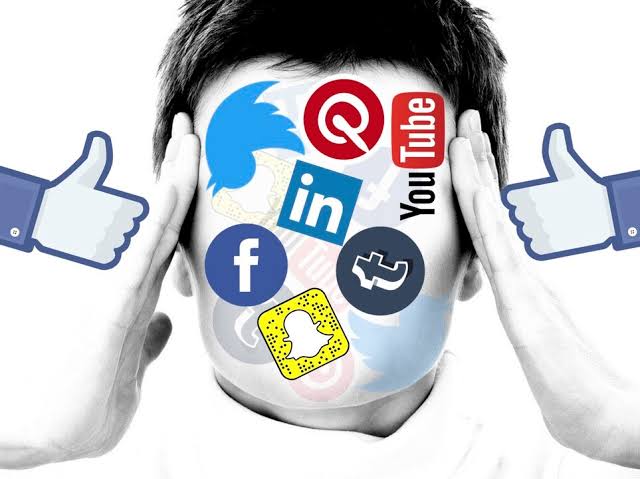
1. The Positive Effects of Social Media on Mental Health
Despite its criticisms, social media can be a powerful tool for personal growth and emotional support when used correctly.
A. Connection and Social Support
Social media allows people to stay in touch with friends and family, even across long distances.
Those facing loneliness or social anxiety can find communities and support groups that make them feel understood.
Platforms like Reddit, Discord, and Facebook groups provide spaces for users to share struggles and receive encouragement.
B. Mental Health Awareness and Support
Many influencers, therapists, and doctors share valuable mental health tips online.
Campaigns like #MentalHealthAwareness and #SelfCare encourage people to prioritize emotional well-being.
Mental health apps and chatbots provide free therapy resources, helping those who cannot afford professional counseling.
C. Learning and Personal Development
YouTube and LinkedIn offer educational content on career growth, productivity, and self-improvement.
Motivational pages inspire people to stay positive, work hard, and overcome challenges.
Platforms like Instagram and TikTok provide quick tips on fitness, meditation, and mental wellness.
D. Creative Expression and Opportunities
Social media allows users to express themselves through writing, art, music, and videos.
Many artists, photographers, and musicians build careers by showcasing their work online.
Those passionate about content creation can turn social media into a full-time profession.
However, while social media offers these benefits, excessive use or misuse can negatively impact mental health.
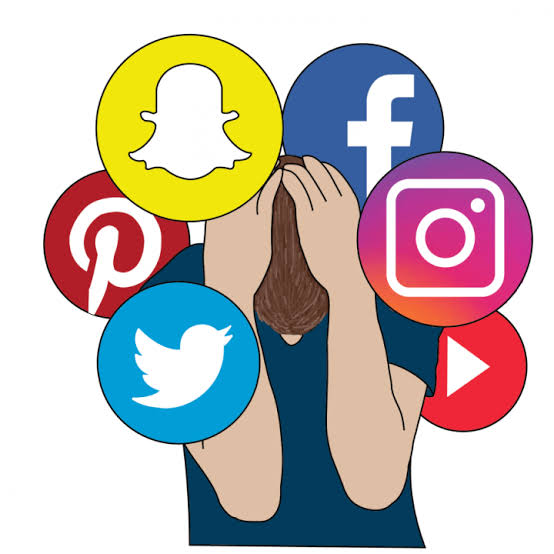
2. The Negative Effects of Social Media on Mental Health
A. Social Comparison and Low Self-Esteem
People often compare their lives to influencers or celebrities who post filtered and edited content.
Seeing luxury lifestyles, perfect bodies, or relationship goals online can make users feel inadequate.
Many teenagers experience self-doubt and depression because they feel they don’t measure up to unrealistic social media standards.
B. Addiction and Overuse
The endless scrolling of reels, shorts, and stories creates a dopamine addiction, making it hard to stop.
Many users spend hours on social media daily, leading to reduced productivity and sleep deprivation.
Notifications and likes trigger a cycle where people seek constant validation, affecting their emotional well-being.
C. Cyberbullying and Online Harassment
Social media platforms allow trolls and bullies to target individuals anonymously.
Many users, especially teenagers, experience hate comments, body shaming, or personal attacks.
Cyberbullying has led to severe mental health issues, including anxiety, self-harm, and suicidal thoughts in extreme cases.
D. Fear of Missing Out (FOMO)
Seeing friends at parties or on vacation makes users feel like they are missing out on fun experiences.
This leads to stress, anxiety, and impulsive decisions, just to stay socially relevant.
The pressure to post exciting content constantly can make users feel mentally exhausted.
E. Spread of Misinformation and Toxic Content
Fake news spreads quickly on social media, creating panic, confusion, and stress.
Many influencers promote harmful diet trends, unrealistic beauty standards, and unhealthy lifestyles.
Some content glorifies violence, drug use, or extreme behavior, negatively influencing young audiences.
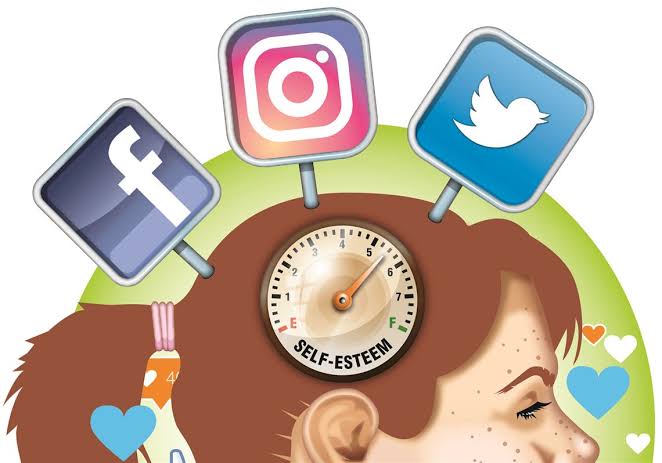
3. How to Use Social Media Mindfully for Better Mental Health
A. Set Time Limits
Use apps like Digital Wellbeing or Screen Time to track and limit daily social media usage.
Avoid scrolling mindlessly—use social media only with purpose (learning, networking, or entertainment).
B. Follow Positive and Educational Content
Unfollow accounts that make you feel insecure or stressed.
Follow pages that promote motivation, mental wellness, and skill-building.
C. Take Social Media Detox Breaks
Regularly disconnect from social media for a few hours or days to reset your mind.
Spend more time on offline activities like reading, exercising, or spending time with family.
D. Avoid Seeking Validation Online
Stop measuring your self-worth by likes, comments, or followers.
Focus on real-life achievements and relationships instead of social media approval.
E. Report and Block Negative Influences
If you experience cyberbullying, report the user and block them immediately.
Avoid engaging in toxic arguments or negative discussions online.
Conclusion
Social media is a double-edged sword—it can either enhance or damage mental health, depending on how it is used. While it offers opportunities for learning, connection, and self-expression, it also brings risks like social comparison, addiction, and cyberbullying.
The key is to use social media mindfully and in moderation. Instead of letting it control your emotions, make sure it adds value to your life. By setting boundaries, following positive content, and focusing on real-life experiences, users can enjoy the benefits of social media without harming their mental well-being.
At the end of the day, social media should be a tool for growth and happiness, not a source of stress and negativity.
Quester ,

Please sign in
Login and share