



























The Future of Work: How AI and Automation Are Changing Jobs

Introduction
The workplace is evolving faster than ever, driven by rapid advancements in Artificial Intelligence (AI) and automation. Machines can now perform tasks that once required human intelligence, from answering customer queries to driving cars and even diagnosing diseases. With AI-powered tools like ChatGPT, self-driving technology, and robotic process automation, many industries are undergoing major transformations.
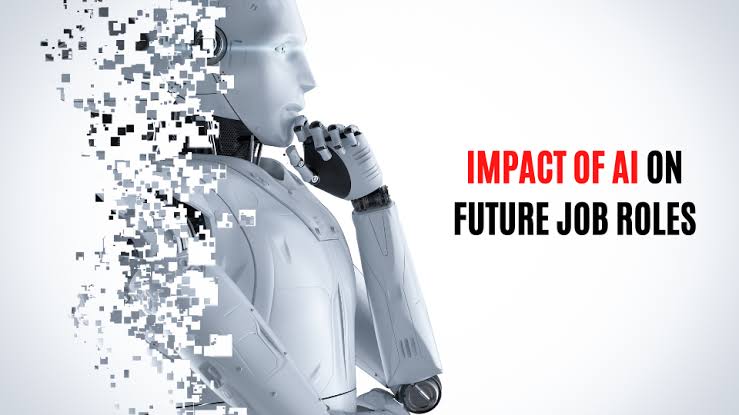
But what does this mean for the future of jobs? Will AI create more opportunities, or will it replace human workers, leaving many unemployed? This essay explores how AI and automation are reshaping industries, the risks and benefits of these advancements, and how workers can adapt to stay relevant in the job market.
1. The Impact of AI and Automation on Different Industries
AI and automation are already changing the way industries function. Some of the most affected sectors include:
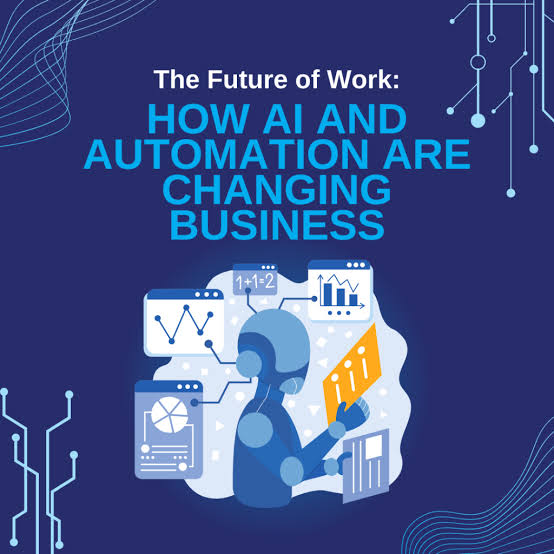
A. Manufacturing and Robotics
Robots are taking over repetitive, labor-intensive tasks in factories, making production faster and more efficient.
Companies like Tesla and Toyota use AI-driven robots for car manufacturing, reducing human errors.
While automation increases productivity, it also eliminates low-skilled jobs, forcing workers to upgrade their skills.
B. Healthcare and AI Diagnosis
AI-powered tools like IBM Watson Health can analyze medical data and help doctors diagnose diseases more accurately.
Robotic surgery systems allow complex surgeries to be performed with high precision.
AI-driven chatbots assist in mental health support, providing therapy sessions through text and voice interaction.
C. Retail and Customer Service
AI chatbots like Amazon Alexa, Siri, and Google Assistant handle customer queries without human intervention.
Many supermarkets and fast-food chains use self-checkout systems and robotic waiters, reducing the need for human cashiers.
While this improves efficiency, it reduces job opportunities in the customer service sector.
D. Transportation and Self-Driving Cars
Companies like Tesla and Waymo are developing self-driving vehicles, which could replace human drivers in the future.
Automated public transport could reduce road accidents but might lead to millions of job losses in the trucking and taxi industries.
E. Education and AI Learning Systems
AI-powered platforms like Duolingo, Coursera, and Khan Academy provide personalized learning experiences.
AI tutors adapt to a student’s learning style, making education more effective.
While AI can assist in education, human teachers remain irreplaceable in terms of emotional connection and creativity.
2. The Risks of AI and Automation
While AI offers many benefits, it also raises concerns about job displacement, ethics, and security.
A. Job Loss and Unemployment
Many routine jobs are being automated, leading to concerns that millions of workers may lose employment.
Low-skilled workers are at the highest risk, as their jobs are more likely to be replaced by AI.
The challenge is to reskill and adapt to the changing job market.
B. AI Bias and Ethical Issues
AI systems can develop biases based on the data they are trained on, leading to unfair decisions in hiring, banking, and law enforcement.
Example: If an AI hiring system is trained on biased historical data, it may discriminate against certain groups.
Companies must ensure AI is trained ethically and fairly.
C. Cybersecurity Threats
AI can be used by hackers to create advanced cyberattacks that bypass traditional security systems.
Deepfake technology can manipulate videos and images, spreading fake news and misinformation.
Businesses must invest in strong cybersecurity measures to prevent AI-related threats.
3. The Benefits of AI and Automation
Despite the challenges, AI also brings many advantages that can benefit society.
A. Increased Efficiency and Productivity
AI can handle repetitive tasks faster and more accurately than humans.
Businesses can save time and reduce costs by automating processes like data entry, scheduling, and logistics.
B. New Job Opportunities in AI and Tech Fields
While some jobs will disappear, AI will create new roles in tech, engineering, and AI management.
Careers in AI development, cybersecurity, and machine learning are in high demand.
Workers who learn AI-related skills can secure well-paying jobs in the future.
C. Improved Healthcare and Safety
AI-powered disease prediction models can detect health risks before symptoms appear, leading to early treatment.
AI in traffic management can reduce accidents by predicting and preventing risky driving behaviors.
Automation can eliminate dangerous jobs (e.g., mining, bomb disposal, space exploration), keeping workers safe.
4. How Can Workers Adapt to AI and Automation?
As AI continues to evolve, workers need to adapt by learning new skills and staying ahead of industry trends.
A. Learn Digital and AI Skills
Coding, data analysis, AI development, and cybersecurity are essential skills for the future.
Online platforms like Udemy, Coursera, and LinkedIn Learning offer AI-related courses.
B. Focus on Creativity and Human-Centric Jobs
AI cannot replace creativity, emotional intelligence, and human connection.
Careers in arts, counseling, teaching, and leadership will continue to thrive.
C. Embrace Lifelong Learning
Technology is constantly evolving—workers should stay updated with new trends.
Companies should offer reskilling programs to help employees transition into new roles.
D. Develop Problem-Solving and Critical Thinking Skills
AI can perform tasks, but it cannot think critically or make complex decisions like humans.
Jobs that require innovation, strategy, and decision-making will remain in demand.
Conclusion
AI and automation are transforming the workplace, bringing both opportunities and challenges. While many routine jobs may disappear, new roles will emerge, requiring workers to adapt and reskill. The key to thriving in this changing job market is to develop digital skills, focus on human-centric work, and stay adaptable.
Instead of fearing AI, we should embrace it as a tool that enhances productivity and improves lives.

Please sign in
Login and share