





Let's Learn Tech Series #9: What is IP Rating? IP Ratings Summary Chart

Hey iQOO Fam,
In this series, we'll be diving straight into the Tech topic, how it works, pros and cons, also discussing the latest advancements and what's coming next.
Understanding IP Ratings in Mobile Phones
IP ratings are a crucial specification for modern smartphones, especially for users who value durability and protection against the elements. Let's break down what IP ratings like IP66, IP67, and IP69 actually mean, how they differ, and why they matter for mobile users.
What is an IP Rating?
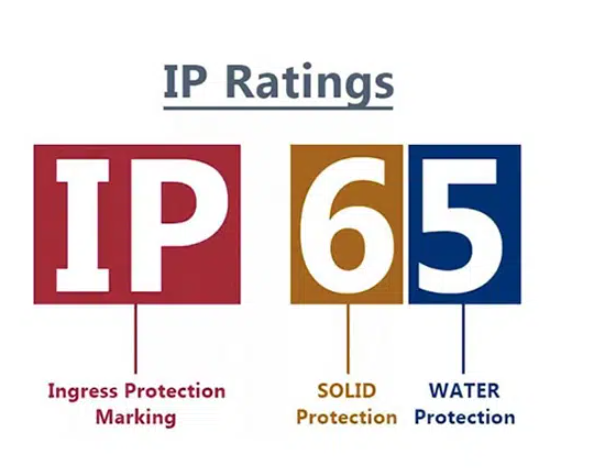
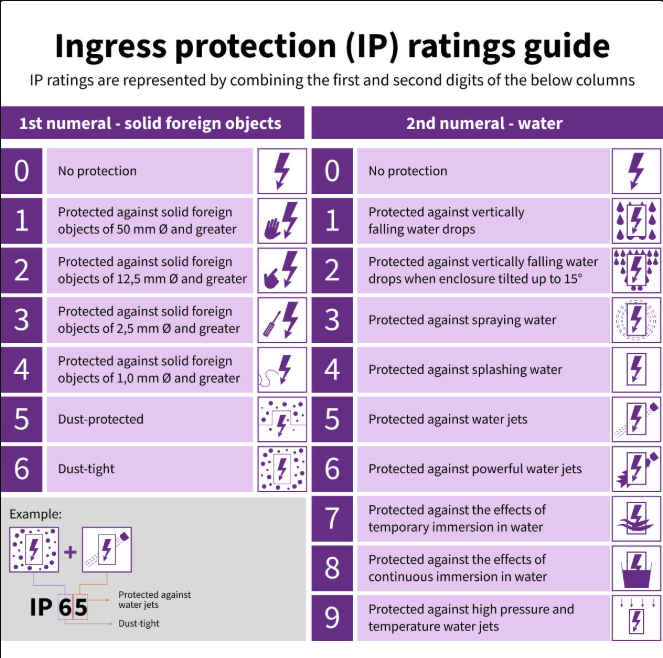
IP stands for Ingress Protection. It's an international standard (IEC 60529) that measures how well a device's enclosure protects against the intrusion of solid particles (like dust) and liquids (mainly water). The rating is always shown as “IP” followed by two digits:
- First digit: Protection against solids (0–6)
- Second digit: Protection against liquids (0–9)
The higher the number, the better the protection.
Summary of all IP Ratings Guide:
Why Should Mobile Users Care About IP Ratings?
Not All Liquids:
- IP ratings are tested with fresh water. Saltwater, chemicals, or other liquids can still damage your device unless specifically stated by the manufacturer.
Protection Against Dust and Water
- Devices with higher IP ratings are better protected against dust, dirt, and water ingress, which are major causes of electronic failure and deterioration.
- Dust can accumulate inside devices, causing overheating, poor electrical connections, and eventual malfunction.
- Water and moisture can lead to short circuits, corrosion of internal components, and battery damage, all of which can drastically shorten a device's lifespan.
Improved Reliability and Durability
- A higher IP rating means the device is more likely to withstand everyday hazards such as spills, rain, or dusty environments, reducing the risk of unexpected failures.
- This reliability is especially important for devices used outdoors, in industrial settings, or in humid or wet conditions.
- By preventing ingress of harmful particles and liquids, IP-rated enclosures help maintain the performance and safety of the device over time.
Limitations
- While IP ratings significantly enhance lifespan, they do not guarantee immunity to all forms of damage. Mechanical shocks, extreme temperatures, and chemical exposure can still harm devices, even those with high IP ratings.
- The effectiveness of IP protection can diminish over time due to wear and tear, aging of seals, or accidental damage.
Conclusion
Choosing electronic devices with the right IP rating is a practical way to extend their lifespan, improve reliability, and reduce maintenance costs, especially in environments where dust and water exposure are common threats. However, IP ratings should be considered alongside other durability factors for comprehensive protection.
(Source: Tech Articles,Newsletters, and Google)
# Do follow me for more quality content on Tech and Photography.
Signing off,
Balaji Murapaka
iQOO Ranger_South Zone

Please sign in
Login and share