



























Scientists Discover New Mammalian Fossil with an Unusual Tooth Pattern

A groundbreaking mammal fossil with a unique tooth pattern is rewriting what we know about early mammalian evolution.
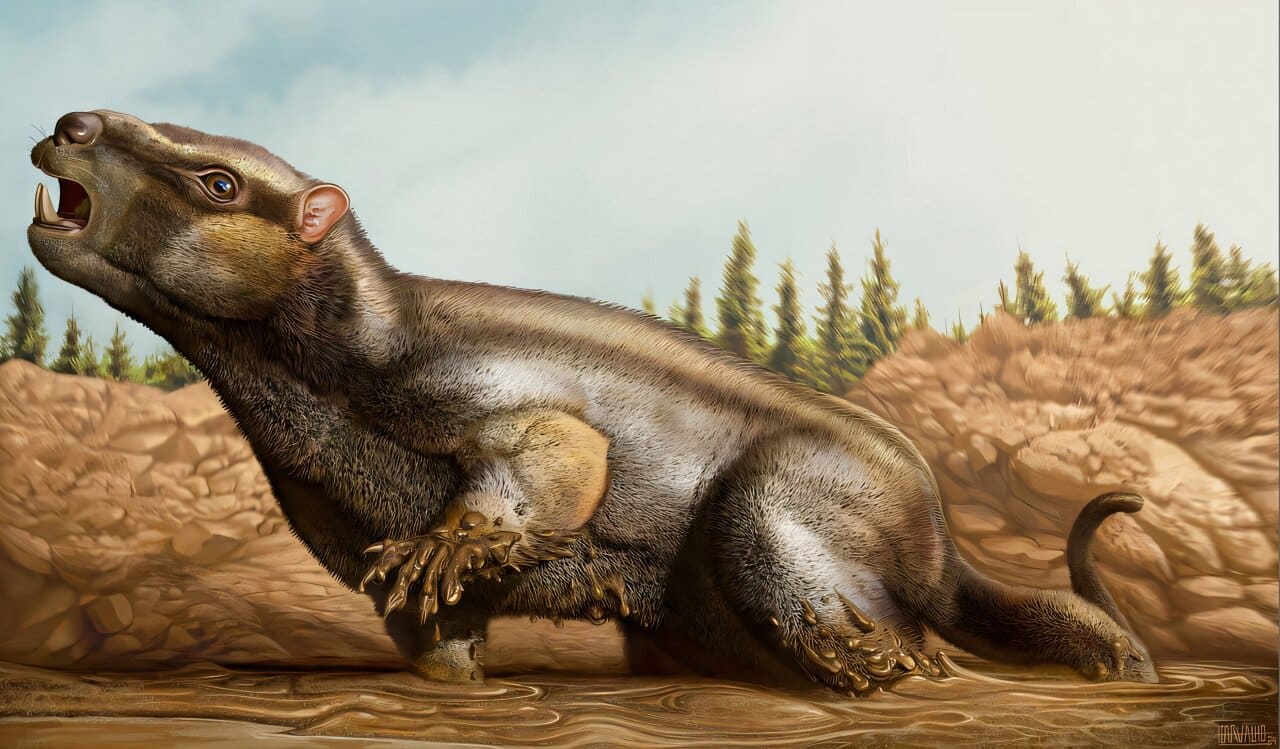
A groundbreaking discovery has been made with the finding of a new species of pinheirodontid multituberculate from the Upper Jurassic period in the Freixial Formation, located in Portugal. The fossil, identified as Cambelodon torreensis, provides new insights into the mammalian species that roamed the Earth during this time. The study detailing this discovery was published in Papers in Palaeontology.
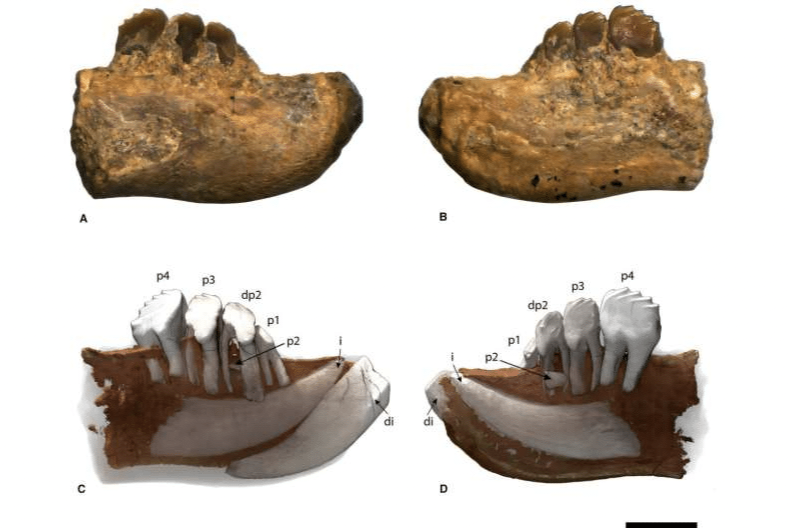
This new species was part of the multituberculate group, a lineage that thrived for nearly 100 million years, long before modern mammals took over the terrestrial ecosystems. The fossil consists of a preserved hemimandible (lower jaw) from a juvenile specimen, still in the process of replacing its deciduous teeth with permanent ones. The fossil reveals that C. torreensis had a unique non-sequential tooth replacement pattern, differing from the typical posteroanterior pattern seen in other multituberculates.
The Importance of the Tooth Replacement Pattern
One of the standout features of the C. torreensis fossil is its tooth replacement pattern. Unlike the posteroanterior pattern seen in most multituberculates, this species exhibited a non-sequential pattern, where teeth did not replace in a set order. According to Victor Carvalho, the study’s lead author,
The unique tooth replacement pattern in C. torreensis suggests a different approach to tooth development and growth than what was previously understood about multituberculate species. This discovery could potentially offer new avenues of study into the evolutionary pressures and developmental biology of early mammals.
Insights into Multituberculate Evolution in Europe
The multituberculate group is of significant interest to paleontologists due to its long history and diversity. In Europe, Portugal is particularly notable for its rich multituberculate fossil record, with the Guimarota coal mine being a renowned site for such discoveries. According to the study, these fossils provide compelling evidence that multituberculates were evolving rapidly over time, demonstrating adaptive flexibility in the face of changing environments.
Despite these advancements, the identification of additional postcranial fossils linked to C. torreensis remains under review. In particular, some bones found at the Guimarota mine could possibly belong to multituberculates, although their identification requires careful analysis.
Source;IndianDefencereview
Please like and follow your gaming and knowledge Questers @Kvkartikji04
Please sign in
Login and share