


Neural Dust tech

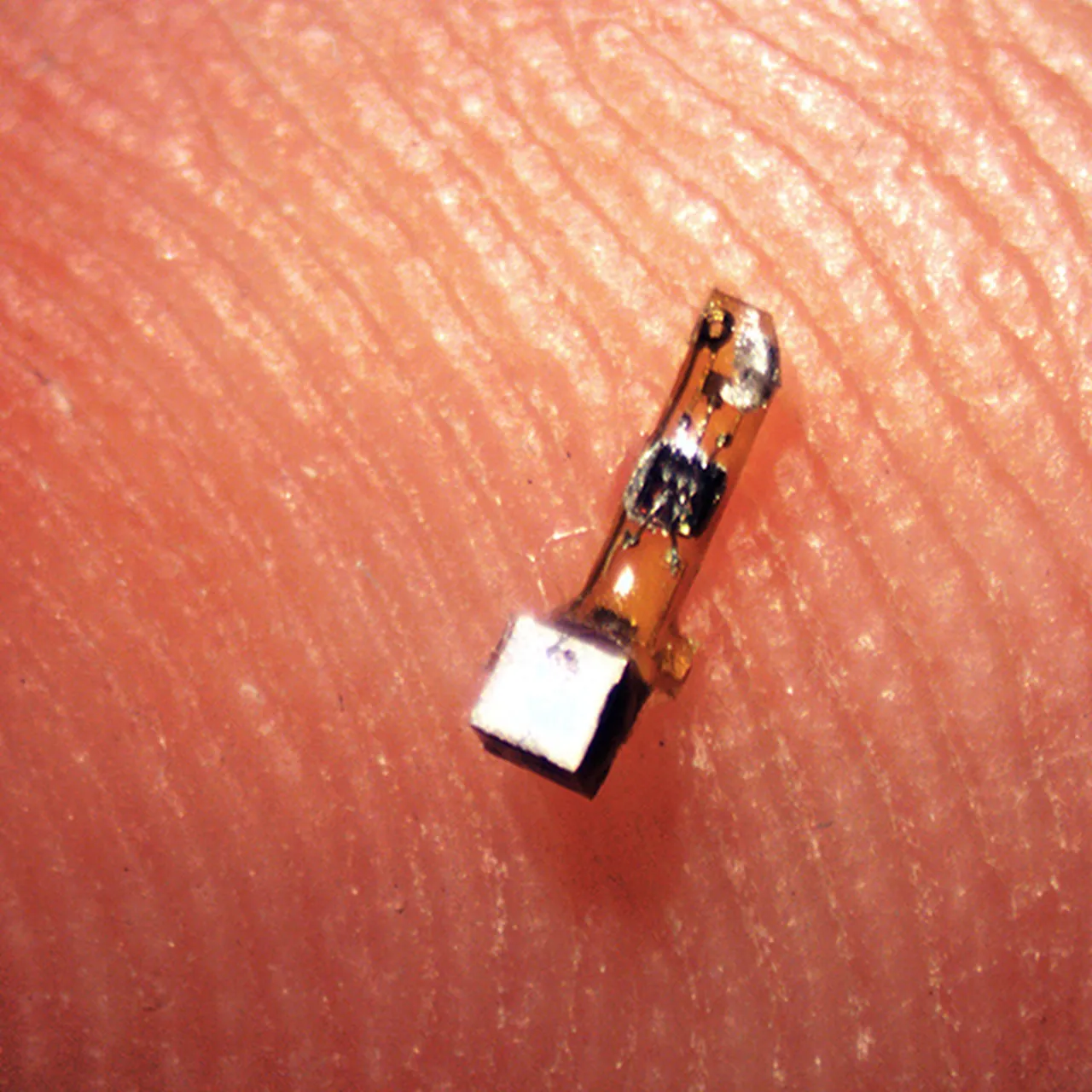
Figure 1, view larger image
Neural Dust is an innovative, ultra-miniature technology designed to wirelessly monitor and interact with the nervous system. Developed by researchers at the University of California, Berkeley, these tiny, implantable sensors—ranging from 10 to 100 micrometers in size—can be introduced into the body to record neural activity and potentially stimulate nerves or muscles.
🔧 How It Works
- Ultrasound Power & Communication: Unlike traditional implants that rely on radio waves, Neural Dust utilizes ultrasound to both power the devices and facilitate data transmission. This approach allows the sensors to operate deep within body tissues without the need for batteries.
- Backscatter Signaling: The sensors communicate by reflecting ultrasound signals—a method known as backscatter communication—enabling real-time monitoring of neural activity without the need for wired connections.
🧠 Potential Applications
- Brain-Machine Interfaces (BMIs): Neural Dust could pave the way for advanced BMIs, allowing individuals to control external devices, such as prosthetic limbs or computers, using neural signals.
- Medical Monitoring & Treatment: These sensors hold promise for chronic monitoring of neurological conditions like epilepsy or Parkinson's disease and could be used to stimulate nerves to treat various disorders.
- Bioelectronic Medicine: By interfacing directly with the nervous system, Neural Dust could lead to new therapies that modulate nerve activity to treat diseases without drugs.
For a visual overview of Neural Dust technology, you can watch the following video:
New “Neural Dust” sensor could be implanted in the body
Thank you
Your Qool Quester
Ayush pandey
@ANJU@JStreetS@TechSAM009@Milind_kahane@Khushi
Tech
123
3
Please sign in
Login and share
Sign in