
















eSIMs are not completely secure, but you can follow these tips to stay safe

eSIMs aren’t completely secure, but by using strong passwords, 2FA, and updates, you can protect your device and data from potential threats.
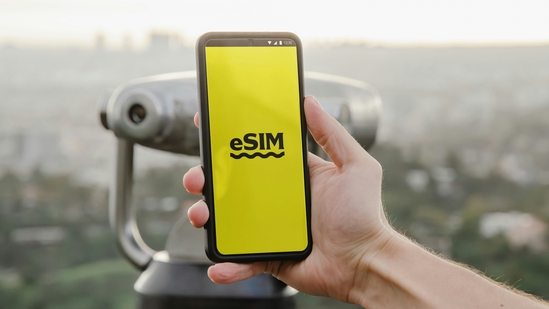
eSIMS were meant to save us all, but ended up becoming a nightmare for people who like to keep switching their devices occasionally. Even then, they’re designed to be more robust in terms of privacy and protection against hackers. So, what are eSIMS? They’re digital SIM cards built directly into your device that are designed to provide better security and protection compared to traditional SIMs.
Instead of inserting a physical card, you activate an eSIM by downloading a profile - usually via QR code - that connects you to a mobile network. This makes switching carriers or managing multiple lines quick and seamless, all without handling a removable card. However, hackers have adapted to exploit vulnerabilities in both the technology used, and the user behaviour associated with eSIMs.
Their methods include tricking network carriers, infecting devices, and using stolen credentials to hijack eSIMs. While eSIMs are safer by design, no system is completely hacker-proof – and that’s where we come in. Read our tips below to keep your eSIMs safe.
How do hackers target eSIMS?
Hackers target eSIMs through various methods: social engineering, malware, and phishing to trick carriers and steal your number or credentials. Fake QR codes and credential stuffing can also compromise your account, along with weak authentication methods and outdated software. Imagine a hacker calling your carrier on your behalf and getting a new SIM commissioned if they already have access to your data. This would mean loss of all access to your texts, calls, and more, thereby compromising all aspects of your digital safety.
Tips to secure your eSIM
1. Enable strong authentication methods
It’s important to protect your eSIM by enabling two-factor or multi-factor authentication (2FA/MFA) on all related accounts. This adds an extra layer of security, ensuring that even if a hacker gets your password, they can’t access your eSIM without the second verification step. Use an authenticator app instead of linking these authentications to your text messages to avoid the chances of being compromised. In addition, it’s prudent to use biometric authentication where possible, and avoid using easily guessable passwords.
2. Regularly monitor account activity
In this age when AI can mimic your loved one’s voice to fake a tragedy, it’s significant to stay extremely vigilant. You must frequently check your mobile provider account for any unusual changes, such as new devices or unexpected logins. At the same time, set up notifications for account modifications so you can quickly spot and respond to suspicious activity. The quicker you spot unauthorised access, the more chances you have of protecting your eSIM.
3. Update your device regularly
Outdated software are hackers’ favourite vulnerabilities! So, what must you do? Simply head over to your phone settings and make sure it’s up-to-date! Ensure you regularly update your phone’s operating system and apps to patch known vulnerabilities. If you’re forgetful, simply enable automatic updates if available, and always install the latest firmware.
4. Beware of phishing and fake QR codes
Be cautious with emails, messages, or QR codes that ask for your eSIM details. Phishing scams and fake QR codes are common tactics hackers use to steal your credentials. So, what can you do in this instance? Always verify the source before scanning a QR code or entering your information, and avoid clicking on suspicious links or downloading attachments from unknown senders.
5. Use secure networks and lock your eSIM profile
Your best bet against being compromised online is by avoiding public Wi-Fi networks. It’s advisable to use a VPN for added security when accessing your accounts online, especially on open networks. Additionally, if your provider allows, lock your eSIM profile with a PIN or password to prevent unauthorised changes, which can be done very easily on both iPhone and Android smartphones. These steps make it much harder for hackers to tamper with your eSIM.
Source;HindustanTimes
Please like and follow your gaming and knowledge Questers @Kvkartikji04
Please sign in
Login and share