





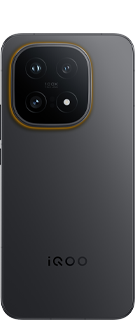
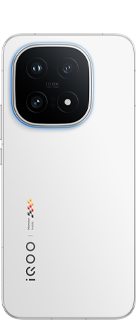
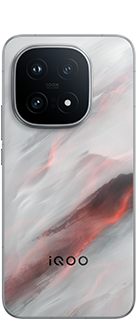

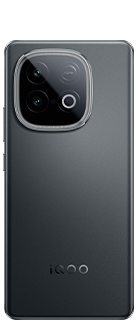
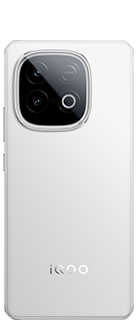
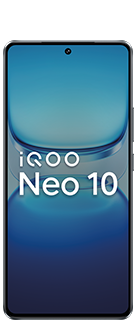
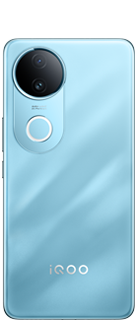
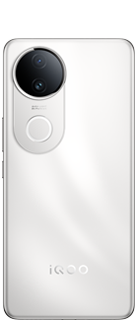

An Exhaustive Analysis of iQOO's Smartphone in the Indian Market | Part 3

Hello Questers, I am Yashita Sharma from Kolkata, Here Back with a Awesome series to share with you all which was about all iQOO Smartphones launched till date. I have already shared about the Number Series Devices and Neo Series Devices, if you have not read it yet, Read Number Series Here.... & Neo Series Here.... Now Let us continue our series, today it is about the Z Series Series. Now let's get into it....
The Value Champions: iQOO Z Series
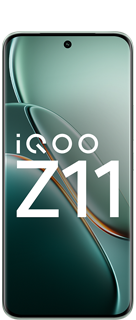
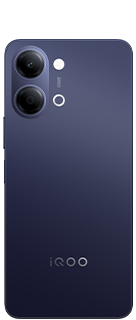
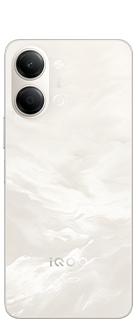
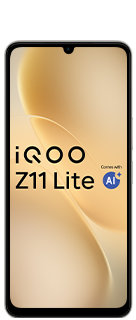
The Z series is arguably iQOO's most crucial lineup for capturing market share in India. It is a prolific and rapidly evolving portfolio aimed at dominating the budget and mid-range segments by making performance-oriented features accessible to a mass audience.
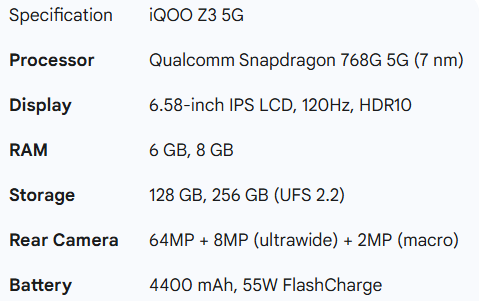
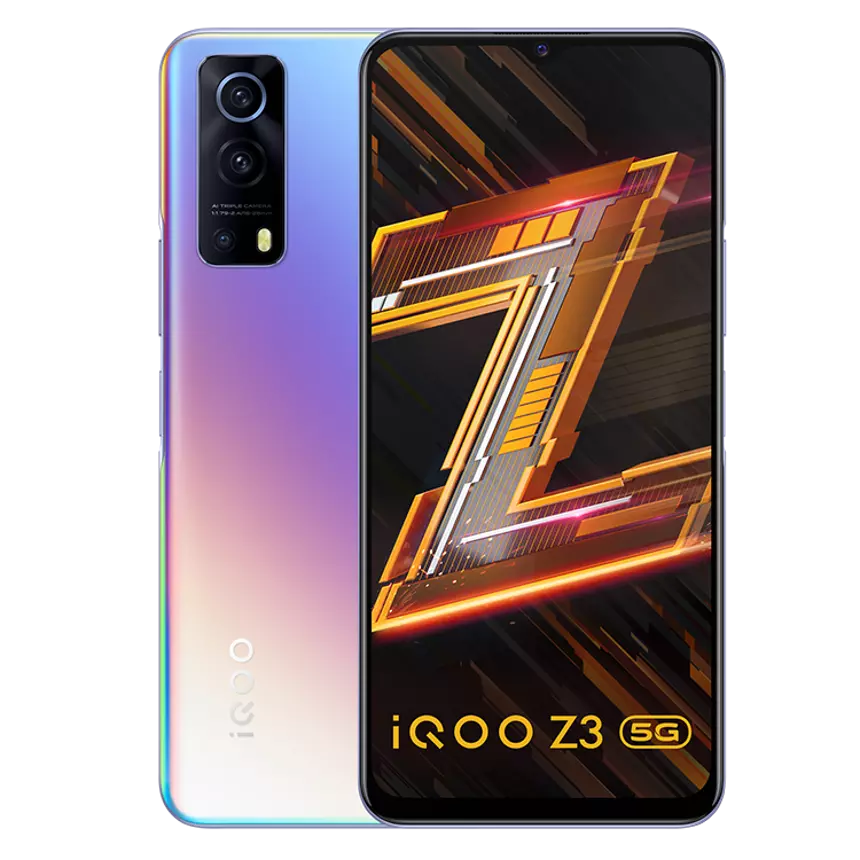
iQOO Z3 5G
Launched on June 8, 2021, the iQOO Z3 was the first Z-series phone in India and immediately set the template for the series. It was India's first smartphone with the Qualcomm Snapdragon 768G processor, and it combined this powerful mid-range chip with a 120Hz display and 55W fast charging—a combination of features that was unprecedented at its starting price of ₹19,990.
iQOO Z5 5G
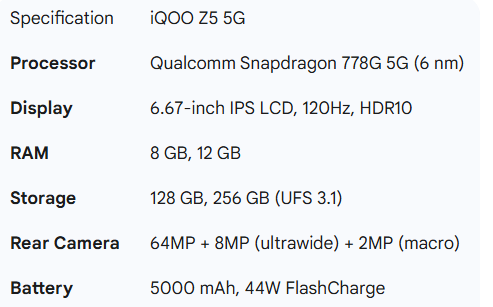
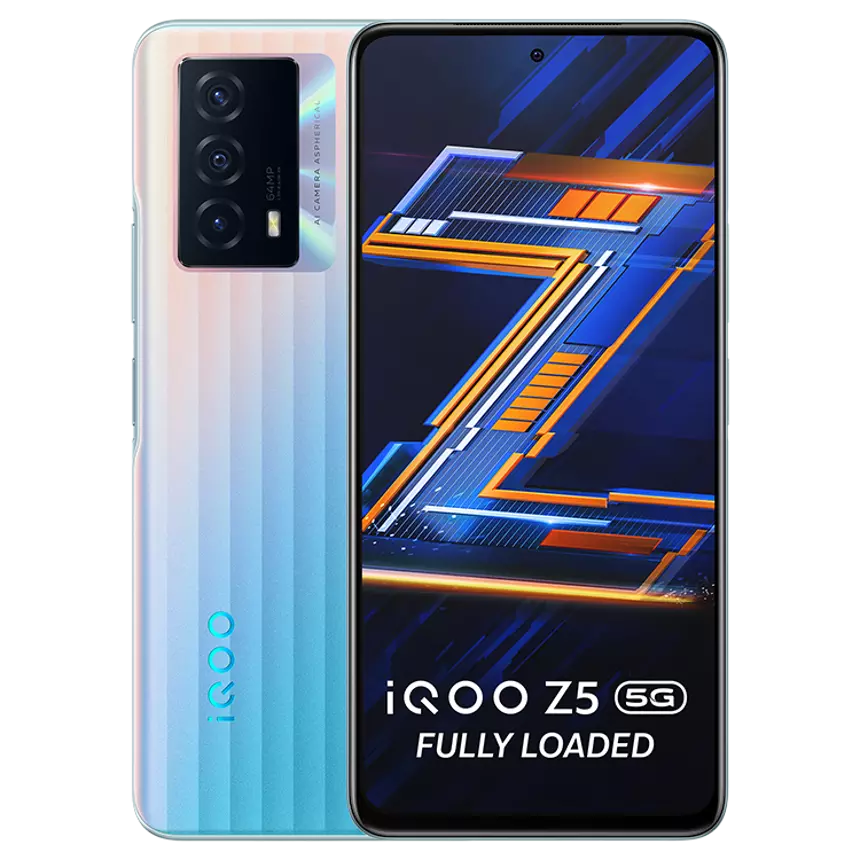
Following just a few months later on September 27, 2021, the iQOO Z5 demonstrated the brand's commitment to rapid, iterative upgrades. It moved to the more powerful Snapdragon 778G chipset, increased the battery capacity to 5000 mAh, and introduced stereo speakers, refining the formula established by the Z3. It launched with a starting price of ₹23,990.
iQOO Z6 Series
The Z6 series, launched throughout 2022, marked a significant strategic evolution. Instead of a single model, iQOO introduced a multi-device family designed to target specific sub-segments with precision.
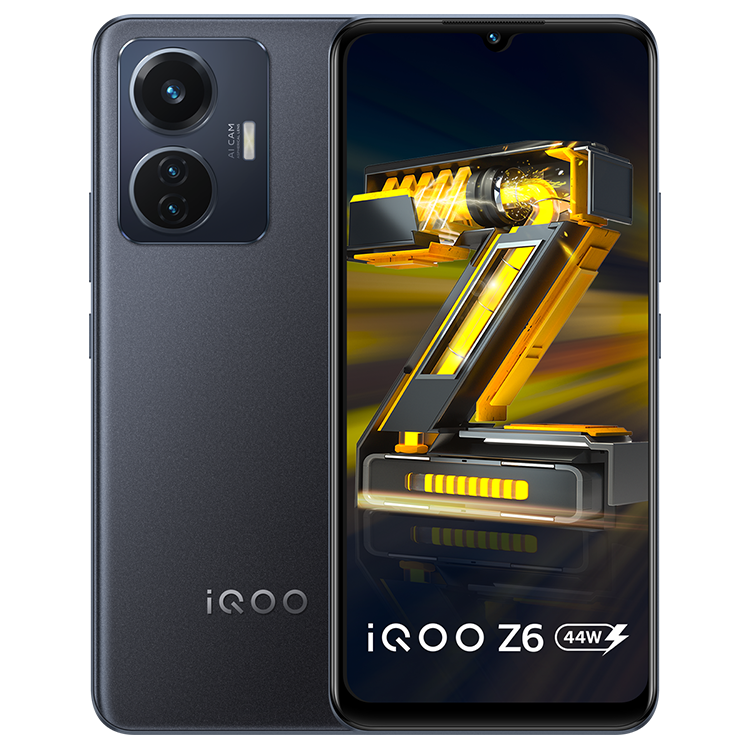
- iQOO Z6 5G: Launched on March 16, 2022, this model brought 5G and a 120Hz display to an aggressive starting price of ₹15,499 (with offers making it as low as ₹13,999) by using the efficient Snapdragon 695 chipset.
- iQOO Z6 44W: Launched on April 27, 2022, this 4G-only variant catered to users who prioritized display quality and charging speed over 5G connectivity. It featured an AMOLED display and 44W fast charging for a starting price of ₹14,499.
- iQOO Z6 Pro 5G: Also launched on April 27, 2022, this was the performance leader of the Z6 family. Using the powerful Snapdragon 778G and 66W fast charging, it bridged the performance gap between the standard Z series and the more premium Neo series, starting at ₹23,999.
- iQOO Z6 Lite 5G: Launched on September 14, 2022, this became iQOO's most affordable 5G offering. It was the first phone in India to feature the Snapdragon 4 Gen 1 chipset, aimed squarely at capturing the entry-level 5G market with a launch price of ₹13,999.
iQOO Z7 Series
The Z7 series, rolled out in 2023, continued the multi-device strategy while introducing more premium features into the mid-range segment.
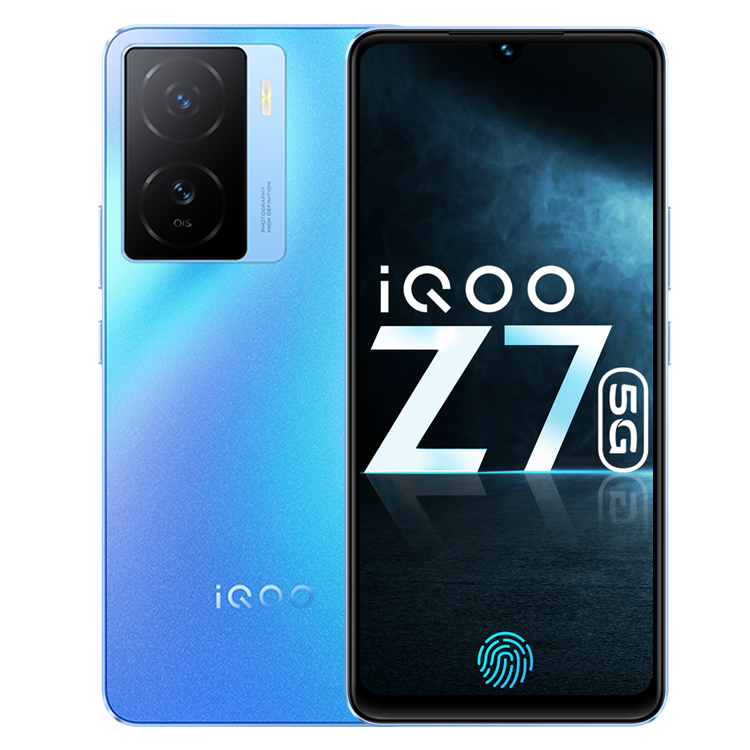
- iQOO Z7 5G: An India-exclusive model launched on March 21, 2023. Powered by the MediaTek Dimensity 920, it brought key features like an AMOLED display and Optical Image Stabilization (OIS) to the sub-₹20,000 segment for the first time for the brand, with an effective launch price of ₹17,499.
- iQOO Z7s 5G: This model appeared as a refresh, likely in mid-2023, featuring a Snapdragon 695 processor and an AMOLED display, serving as an iterative update in the portfolio.
- iQOO Z7 Pro 5G: Launched on August 31, 2023, this device elevated the Z series significantly. It featured a premium 3D curved AMOLED display and the more powerful Dimensity 7200 processor, blurring the lines between the Z and Neo series and offering a near-premium experience in the mid-range.
iQOO Z9 Series
The Z9 series, launched in 2024, represents the latest iteration of this strategy, continuing the rapid release cadence and pushing performance boundaries further down the price ladder.
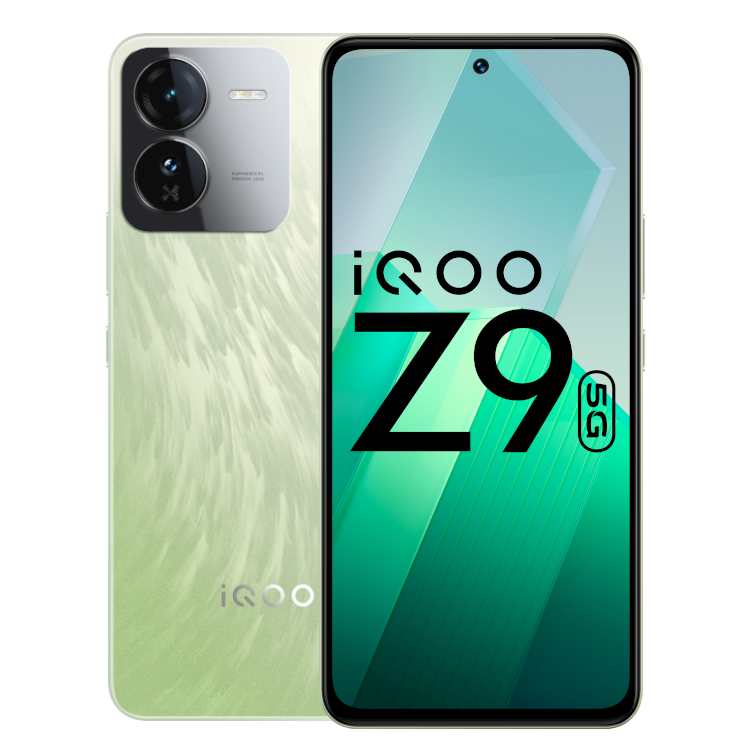
- iQOO Z9 5G: Launched on March 12, 2024, this model continued the successful formula by using the powerful MediaTek Dimensity 7200 SoC and an ultra-bright AMOLED display, starting at ₹19,999.
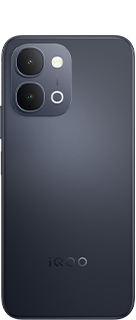
- iQOO Z9x 5G: This model focused on battery endurance, featuring a massive 6000mAh battery paired with the efficient Snapdragon 6 Gen 1 processor.
- iQOO Z9 Lite 5G: Launched in August 2024, this became the new entry point for 5G with a Dimensity 6300 chipset and a price of ₹10,499.
- iQOO Z9s 5G & Z9s Pro 5G: Launched together on August 21, 2024, these devices brought the Dimensity 7300 and Snapdragon 7 Gen 3 chipsets, respectively, with the Pro model even featuring a curved display, further elevating the Z series' premium appeal.
iQOO Z10 Series (2025)
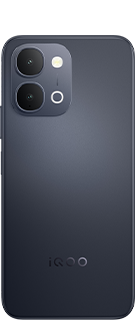
Expected throughout 2025, the iQOO Z10 series continues the brand's strategy of micro-segmentation in the high-volume budget and mid-range markets. This lineup introduces a variety of chipsets and features tailored to specific price points, from entry-level 5G to performance-focused mid-rangers.
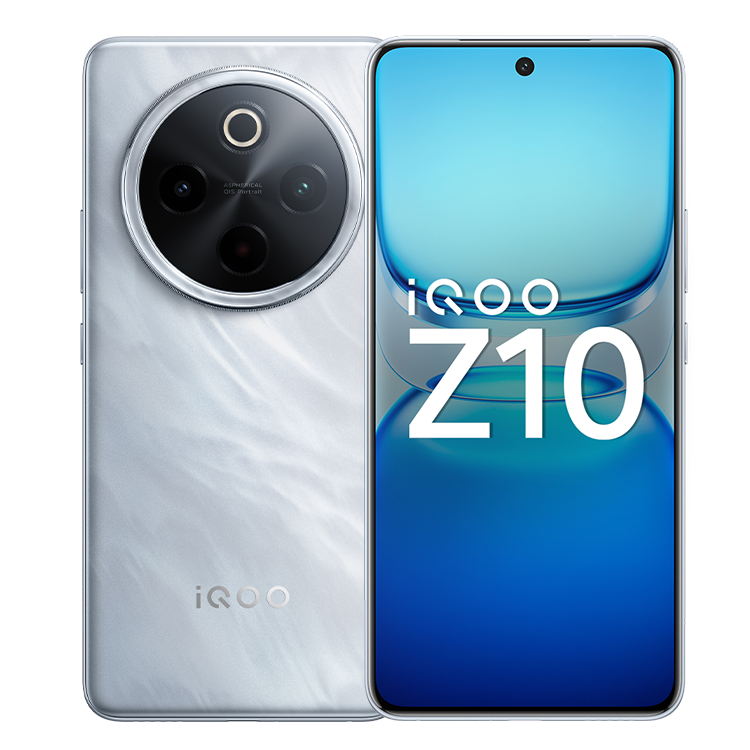
- iQOO Z10 Lite 5G: Scheduled for June 2025, this device is poised to be a strong contender in the entry-level 5G segment. It features a MediaTek Dimensity 6300 processor, a large 6000mAh battery, and a 50MP main camera, all at an aggressive starting price of around ₹9,998.
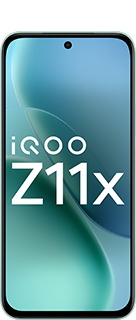
- iQOO Z10x 5G: Launching in April 2025, the Z10x targets the sub-₹15,000 bracket. It is powered by the MediaTek Dimensity 7300, a 6500mAh battery with 44W charging, and a 120Hz display, offering a balanced package for budget-conscious gamers.
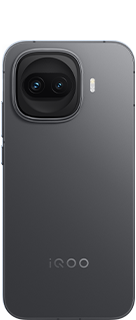
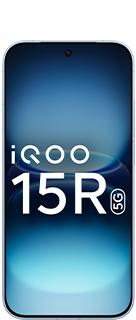
- iQOO Z10R 5G: Arriving in July 2025, the Z10R elevates the Z-series with more premium features. It boasts a MediaTek Dimensity 7400, a 120Hz curved AMOLED display, and a 50MP Sony OIS camera, blurring the lines with the Neo series at a price of about ₹19,498.
- iQOO Z10 5G: Also launching in April 2025, the Z10 focuses on battery supremacy with a massive 7300mAh battery and 90W fast charging. Paired with a Snapdragon 7s Gen 3 and a curved AMOLED display, it targets users who prioritize endurance above all else, with a starting price of ₹20,998.
The Z-series is not merely a product line; it is a strategic tool for market saturation. The rapid, diversified launches within each generation, such as the four distinct models in the Z6 family, reveal a clear objective: to occupy every viable price point between ₹12,000 and ₹25,000. Each variant is a calculated experiment, testing different combinations of processors (Qualcomm vs. MediaTek), display technologies (LCD vs. AMOLED), and core features (battery size vs. charging speed). This micro-segmentation ensures that for nearly every ₹1,000-₹2,000 increment in India's most competitive price bracket, there is a tailored iQOO offering. While this approach risks creating complexity for consumers, it maximizes market visibility and ensures that potential buyers are almost certain to find an iQOO device that meets their specific priorities, thereby driving volume and rapidly building market share.
Synthesis and Market Trajectory
iQOO's journey in the Indian smartphone market from 2020 to the present is a compelling case study in strategic execution. In a relatively short period, the brand has evolved from a niche, performance-focused entrant into a formidable player across multiple price segments. This success is built on a clear understanding of its target audience and a consistent adherence to its core strategic pillars, which have themselves evolved with the market.
The brand has been a key driver of several technology trends in India. It has played a significant role in the democratization of fast charging, progressively bringing 120W technology from its ₹60,000+ iQOO 9 Pro down to the sub-₹30,000 iQOO Neo 7. Similarly, it helped establish high refresh rate displays as a standard feature, with 120Hz panels becoming common even in its budget-friendly Z-series.
Perhaps most impressively, iQOO has mastered a dual-sourcing chipset strategy. It consistently uses the latest-generation Snapdragon 8-series chips for its premium Numbered series to claim the performance crown. Simultaneously, it leverages last-generation flagship Snapdragon chips (e.g., 870, 8+ Gen 1, 8 Gen 2) in its Neo series to create unbeatable value in the "flagship killer" segment. This is balanced by the strategic use of MediaTek's Dimensity lineup across the Z and Neo series to optimize the performance-to-price ratio at every conceivable price point.
Now this was all for iQOO Z Series Smartphone. See you All With Something New & Crazy Topics
Happy Questing
Please sign in
Login and share