



























👨🚀SPACE🌌 SERIES_EP-14

Hello Questers, moderators and rangers 👋
I hope you're all doing well. Today, I’m excited to showcase the beauty of space, sharing fascinating information about our solar system and its planets. 🌌 You'll also get to see incredible, real images captured by the Hubble Space Telescope—sights like never before
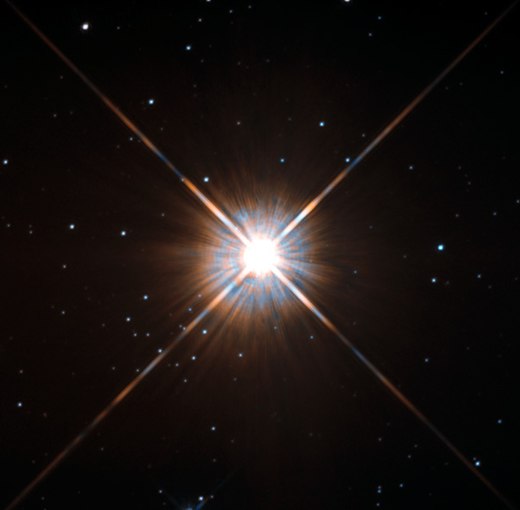
Proxima Centauri constellation
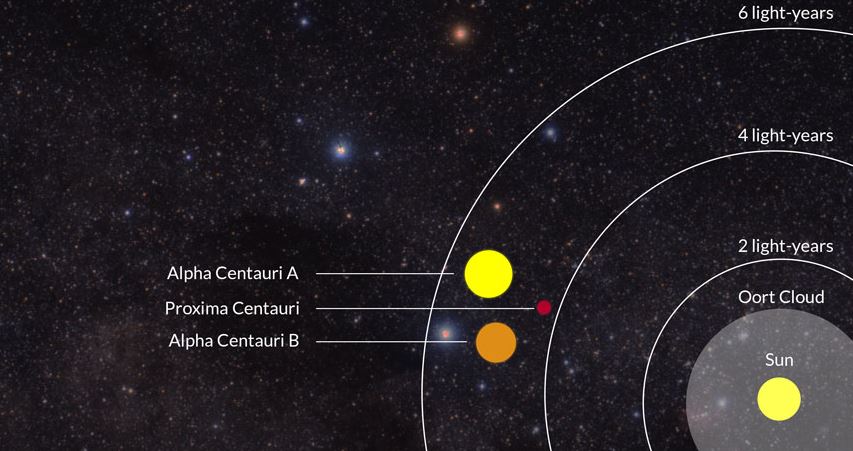
🌌 Proxima Centauri, the closest star to the Sun, lies just over 4.24 light-years away in the Alpha Centauri system. This red dwarf is part of a triple star system and remains an essential target for interstellar exploration dreams.
-🪐 Despite its proximity, Proxima Centauri is invisible to the naked eye due to its low luminosity. Astronomers use powerful telescopes to study this small, dim star, which holds a fascinating exoplanetary system within its reach.
-🚀 Proxima Centauri b, a planet orbiting within the star’s habitable zone, has captivated scientists. Its potential to host liquid water sparks hope for extraterrestrial life, driving researchers to explore the possibility of finding habitable worlds nearby.
-🔭 Proxima Centauri’s flare activity makes it both intriguing and challenging to study. Its intense stellar flares could pose challenges for habitability, but they also offer unique insights into red dwarf star behavior and their impact on surrounding planets.
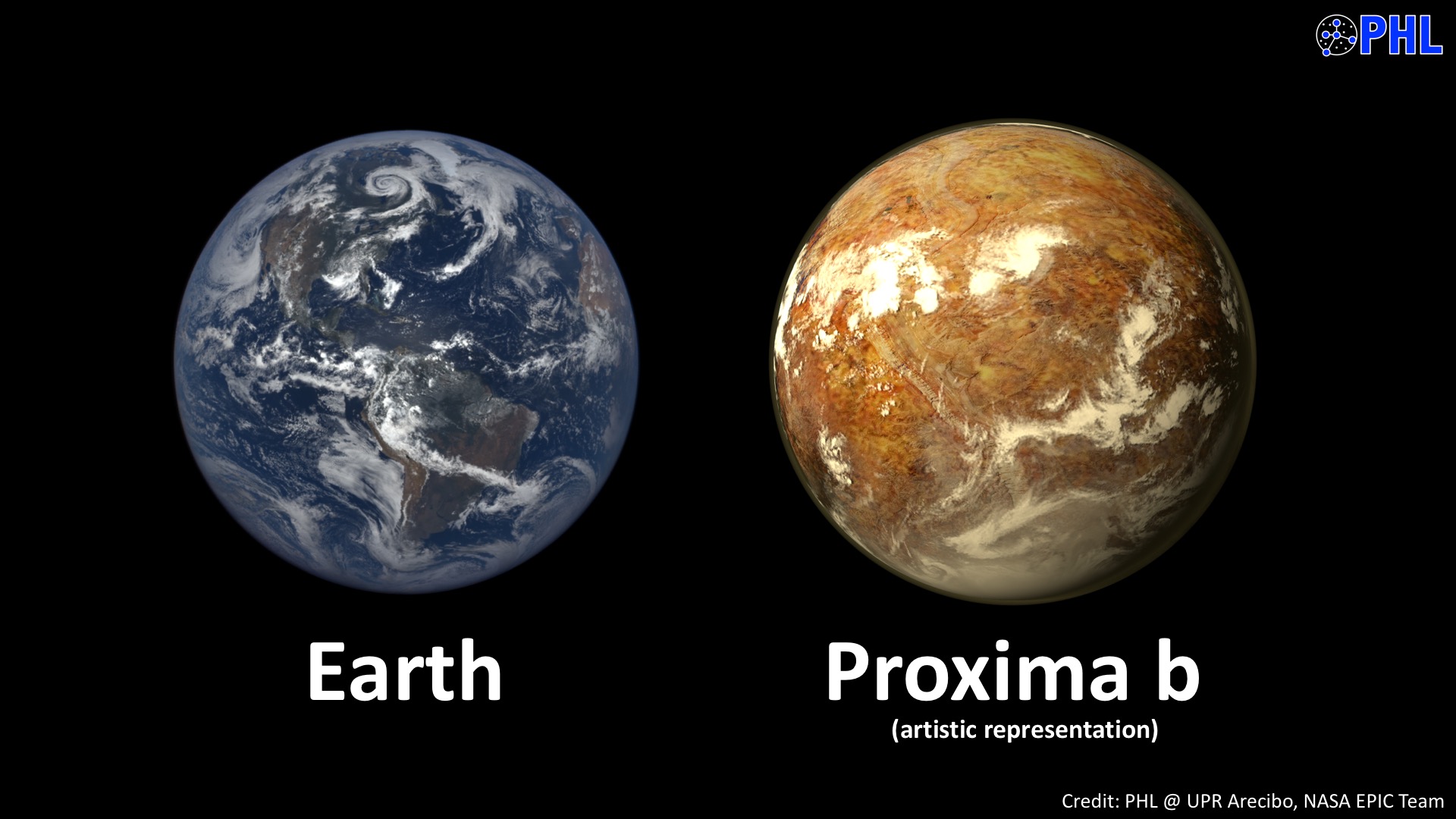
Proxima B
🌍 Proxima b is vital due to its location in the habitable zone of Proxima Centauri, offering potential for liquid water. It’s the nearest exoplanet, boosting hopes for discovering extraterrestrial life.
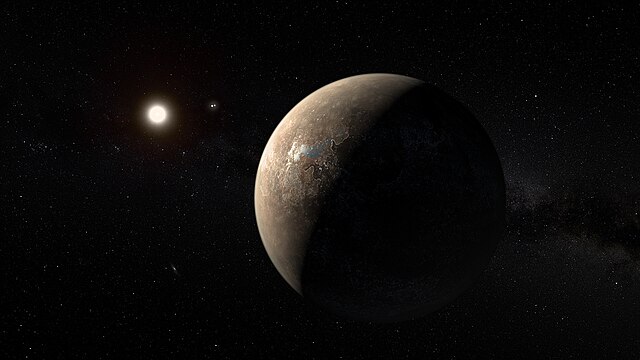
-🌌 Proxima b’s potential for life depends on several factors. Being in the habitable zone means it might support liquid water, essential for life. However, intense stellar flares from Proxima Centauri could pose challenges to any atmosphere and habitability. Scientists speculate about subsurface oceans, protective magnetic fields, or atmospheric conditions that could shield it from harmful radiation. If life exists, it might differ from Earth's due to the planet’s environment, offering exciting possibilities and insights into diverse life forms across the cosmos.
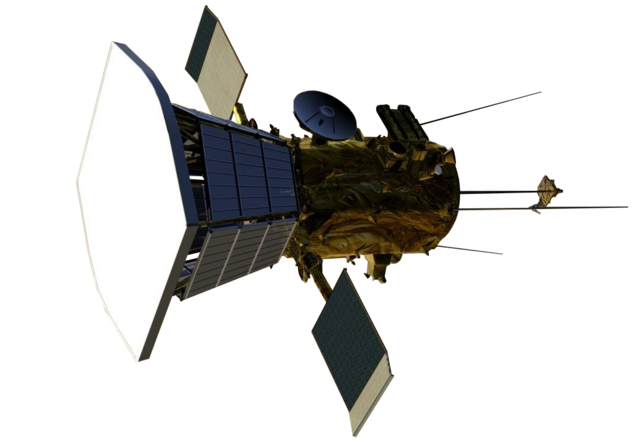
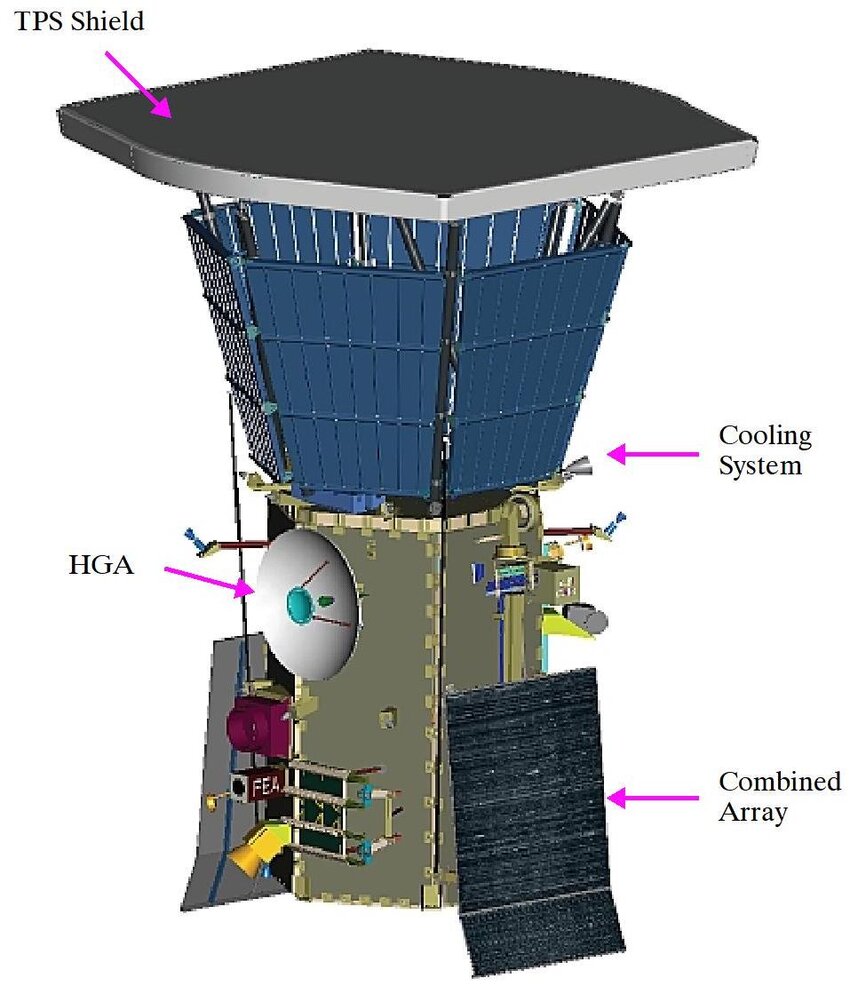
PARKER SOLAR PROBE 🛰️
🚀 The Parker Solar Probe, traveling at a record speed of around 430,000 miles per hour (700,000 kilometers per hour), is indeed the fastest human-made object. However, even at this incredible speed, reaching Proxima Centauri would take a dauntingly long time. 🌌 Given that Proxima Centauri is 4.24 light-years away, the probe would need roughly 17,000 years to reach it if it maintained its peak speed throughout the journey. This demonstrates just how vast interstellar distances are, even with humanity's fastest technology. ✨
Dark fact
🌌 A dark and intriguing fact about Proxima Centauri is that it is gradually moving closer to our solar system. Over the next tens of thousands of years, Proxima Centauri will come slightly nearer, though it will never pose a threat due to the vast distances involved in space. As it approaches, its gravitational influence on the outer edges of our solar system may be minimal, but studying this cosmic movement helps us understand how stellar interactions shape the galaxy over millions of years.
Intresting Fact
🌌 Proxima Centauri is actually part of a binary system with Proxima Centauri B, which orbits within its habitable zone. This close connection makes it an ideal candidate for studies on how planets in such systems could support life, despite the challenges posed by intense stellar flares!
Follow for more space insights
Signing off
Please sign in
Login and share